
How Long Does It Take To Receive Settlement Funds?

The question of how long it takes to receive settlement funds after a truck accident is incredibly complex and depends on a multitude of factors. There’s no simple answer, as each case presents unique challenges. However, understanding the typical stages and potential roadblocks can help you navigate the process with realistic expectations. A quick payout is rarely the reality, and rushing into a settlement without proper legal counsel can be a detrimental mistake.
One of the biggest delays stems from the investigation itself. Determining liability in a truck accident often requires a thorough examination of police reports, witness statements, the truck’s “black box” data (Electronic Logging Device or ELD), and the driver’s logs. We also frequently retain independent accident reconstruction experts to analyze the scene and provide unbiased opinions. This process can take weeks, even months, especially if the insurance company disputes fault or if there are conflicting accounts of the accident.
I’ve been practicing personal injury law in San Diego for over 13 years, and I’ve seen firsthand how insurance companies strategically delay claims to minimize payouts. Trained by a former insurance defense attorney, I have intimate knowledge of how they evaluate, devalue, and deny claims. They often employ tactics like requesting excessive documentation, scheduling unnecessary medical examinations, and simply failing to respond to requests in a timely manner. Knowing these strategies is crucial to protecting your rights and maximizing your recovery.
How Does the Negotiation Process Affect Settlement Timing?
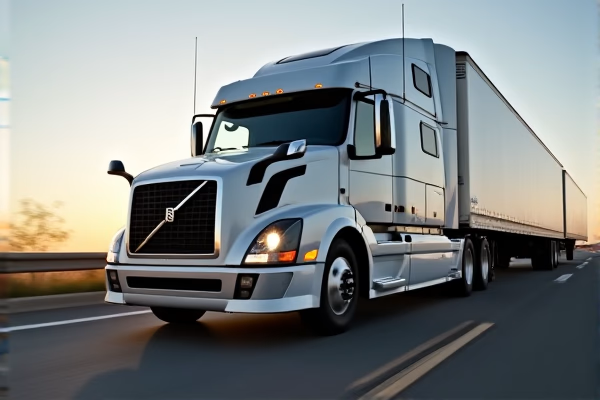
Once liability is established, the negotiation process begins. This involves submitting a demand package to the insurance company outlining your damages – medical expenses (past and future), lost wages, pain and suffering, and property damage. The insurance company will likely respond with a counteroffer, and a back-and-forth negotiation ensues. The length of this phase depends on the complexity of your injuries, the strength of your evidence, and the insurance adjuster’s willingness to settle reasonably.
Complex cases involving severe injuries, permanent disabilities, or disputed liability will naturally take longer to resolve. If a settlement cannot be reached through negotiation, filing a lawsuit becomes necessary. This adds significant time to the process, as it involves formal discovery, depositions, and potentially a trial. Even after a lawsuit is filed, settlement negotiations can continue, but the timeline extends considerably.
It’s important to remember that insurance companies are businesses, and their goal is to protect their bottom line. They are not incentivized to pay out claims quickly or generously. Having an experienced attorney on your side who understands their tactics and can advocate effectively for your rights is essential to achieving a fair settlement in a timely manner.
What Role Do Medical Bills Play in the Settlement Timeline?
Medical bills are a central component of any truck accident settlement. However, simply accumulating bills isn’t enough. The insurance company will scrutinize your medical records to determine which treatments are reasonable and necessary. They may dispute the cost of certain procedures or argue that some injuries are unrelated to the accident. It’s crucial to have a complete and organized medical record, along with a clear explanation of how your injuries impact your daily life.
Furthermore, if you have health insurance, the insurance company may assert a lien on your settlement to reimburse them for the medical expenses they paid. This process, known as subrogation, can complicate the settlement process and reduce the amount you ultimately receive. An attorney can help you navigate these complexities and ensure that your medical liens are properly addressed.
Waiting to finalize medical treatment before settling can be a strategic advantage. A complete picture of your injuries and long-term care needs strengthens your claim and justifies a higher settlement amount. However, it also prolongs the timeline. Finding the right balance between medical recovery and settlement negotiation is a critical aspect of the process.
What Happens if the Trucking Company Files a Lawsuit Against Me?
While less common, it’s possible for the trucking company to file a lawsuit against you, alleging you were at fault for the accident. This is often a tactic to shift blame and reduce their liability. If this happens, it’s crucial to have an attorney immediately defend you and protect your rights. A skilled attorney can investigate the accident, gather evidence, and build a strong defense on your behalf.
The addition of a counterclaim adds significant complexity to the case and extends the timeline. It’s important to understand that even if the trucking company files a lawsuit, it doesn’t necessarily mean you were at fault. An attorney can help you navigate the legal process and ensure that your interests are protected.
In San Diego, we frequently see cases where the trucking company attempts to argue contributory negligence, claiming you were partially responsible for the accident. This can significantly reduce your settlement amount, even if they are ultimately found liable.
What if I Have Uninsured/Underinsured Motorist Coverage?
If the truck driver was uninsured or underinsured, you may be able to file a claim under your own Uninsured/Underinsured Motorist (UM/UIM) coverage. This coverage provides financial protection if you are injured by a driver who doesn’t have enough insurance to cover your damages. However, UM/UIM claims often involve a more complex arbitration process.
The arbitration process typically involves submitting a demand package to your insurance company, who will then appoint an arbitrator to review the case. The arbitrator will make a decision based on the evidence presented, and that decision is often binding. It’s crucial to have an attorney experienced in UM/UIM arbitration to represent you and advocate for your rights.
Navigating the arbitration process requires a thorough understanding of insurance policies, legal procedures, and evidence presentation. An attorney can help you prepare a strong case and maximize your chances of a favorable outcome.
How Can I Expedite the Settlement Process?
While there’s no magic formula to speed up the settlement process, there are several steps you can take to expedite the timeline. First and foremost, hire an experienced attorney as soon as possible. An attorney can immediately begin gathering evidence, investigating the accident, and communicating with the insurance company.
Second, be proactive in your medical treatment and documentation. Keep detailed records of all your medical appointments, expenses, and lost wages. Provide your attorney with all relevant information promptly. Third, be responsive to your attorney’s requests and cooperate fully throughout the investigation and negotiation process.
Finally, be realistic about your expectations. Settlement negotiations take time, and it’s important to be patient and allow your attorney to work diligently on your behalf. Rushing into a settlement without proper legal counsel can often result in a lower payout than you deserve.
What Should I Do if the Insurance Company is Delaying My Claim?
Insurance companies often employ delay tactics to discourage claimants from pursuing their claims. If you suspect the insurance company is intentionally delaying your claim, it’s crucial to document all communication and keep a detailed record of their actions. Your attorney can then send a formal demand letter outlining the delays and requesting a response within a specific timeframe.
If the insurance company continues to delay your claim, your attorney may need to file a lawsuit to protect your rights. Filing a lawsuit forces the insurance company to take your claim seriously and engage in formal discovery. It also establishes a legal deadline for resolving the case.
Remember, you have the right to pursue a fair settlement for your injuries and damages. Don’t let the insurance company intimidate you or discourage you from seeking the compensation you deserve.
What is the Statute of Limitations for Filing a Truck Accident Lawsuit in California?
California law provides a **two-year** window from the date of the truck accident to file a lawsuit. Because trucking companies often begin evidence destruction (like purging ELD data) as soon as the law allows, immediate filing is critical to preserve the integrity of the claim. Missing this deadline can result in the permanent loss of your right to recover compensation.
The statute of limitations can be complex, especially in cases involving government entities or multiple parties. It’s crucial to consult with an attorney as soon as possible to ensure that your claim is filed within the applicable timeframe.
Don’t wait until the last minute to file a lawsuit. The sooner you file, the more time your attorney has to investigate the accident, gather evidence, and build a strong case on your behalf.
What Happens if the Truck Driver Was an Independent Contractor?
Determining whether a truck driver is an employee or an independent contractor can significantly impact the liability in a truck accident case. California’s ‘ABC test’ determines if a delivery driver (Amazon/FedEx) is an employee or contractor. Even if labeled a ‘contractor,’ a company may be liable if they exercise control over the driver’s work, a key factor in San Diego delivery truck litigation.
If the driver was an employee, the trucking company is directly liable for their negligence under the doctrine of vicarious liability (respondeat superior). However, if the driver was an independent contractor, the liability may be more limited. An attorney can investigate the driver’s employment status and determine the appropriate parties to pursue.
This is a complex legal issue that requires a thorough understanding of employment law and contract principles. An attorney can help you navigate these complexities and ensure that you pursue all available avenues for recovery.