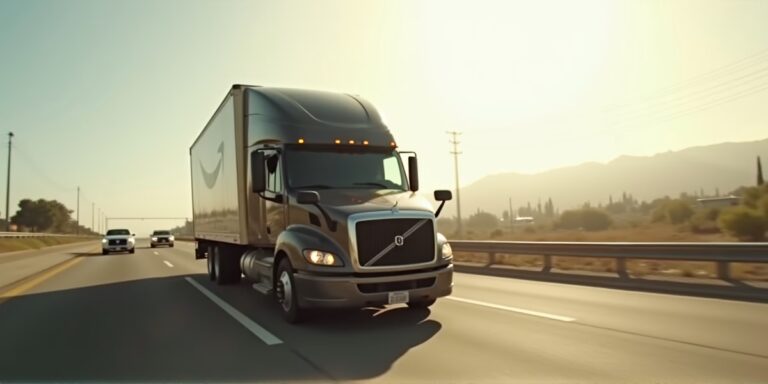
Should I Contact A Lawyer After A Ups Truck Crash?

When a collision involves a large commercial vehicle like a UPS truck, the stakes are immediately higher. Unlike a typical car accident claim, you’re not just dealing with an individual driver’s insurance policy. You’re up against a corporation with vast resources dedicated to minimizing payouts. That’s why consulting with an attorney specializing in truck accident litigation is crucial, even if you believe the other driver was clearly at fault.
The complexities begin with establishing liability. While the driver’s negligence is a key factor, proving it often requires a deeper investigation. Was the driver properly licensed and trained? Was the truck properly maintained? Were Hours of Service regulations followed? These questions require expert knowledge and access to resources most individuals don’t possess. A lawyer can immediately begin gathering evidence, including the truck’s Event Data Recorder (EDR) data, driver logs, and maintenance records.
I’ve been practicing personal injury law in San Diego for over 13 years, and I’ve seen firsthand how insurance companies attempt to devalue and deny legitimate claims. Trained by a former insurance defense attorney, I have intimate knowledge of how these companies evaluate accidents, identify weaknesses in claims, and employ tactics to reduce their financial exposure. This insight allows me to anticipate their strategies and build a stronger case on your behalf.
What types of damages can I recover after a UPS truck accident?

The potential damages you can recover in a UPS truck accident case extend far beyond just medical bills. You are entitled to compensation for all losses directly resulting from the accident. This includes not only your past and future medical expenses, but also lost wages, property damage, and pain and suffering. In severe cases, you may also be able to recover damages for permanent disability, disfigurement, and loss of enjoyment of life.
Calculating the full extent of these damages requires a thorough assessment of your injuries, your earning capacity, and the impact the accident has had on your daily life. A lawyer can work with medical experts, vocational rehabilitation specialists, and economists to accurately quantify your losses and ensure you receive the maximum compensation you deserve.
How does the statute of limitations affect my UPS truck accident claim?
In California, there is a strict deadline for filing a lawsuit after a truck accident. According to CCP § 335.1, you generally have **two years** from the date of the accident to initiate legal proceedings. Because trucking companies often begin evidence destruction (like purging ELD data) as soon as the law allows, immediate filing is critical to preserve the integrity of the claim.
Waiting too long can result in the complete loss of your right to recover compensation, even if the other driver was undeniably at fault. It’s essential to consult with an attorney as soon as possible to understand your rights and ensure your claim is filed within the statutory timeframe.
What if the UPS driver was working at the time of the accident?
Establishing the driver’s employment status is a critical step in a UPS truck accident case. Under the doctrine of **vicarious liability** (respondeat superior), a principal is responsible to third persons for the negligence of their agent in the transaction of business. This means that UPS can be held legally liable for the wrongful acts of its drivers committed within the scope of their employment.
However, determining whether the driver was acting within the scope of their employment isn’t always straightforward. A lawyer can investigate the driver’s work schedule, route, and activities at the time of the accident to establish a clear link between their employment and the collision. This is especially important in cases where the driver was making unauthorized deliveries or engaging in activities outside their normal job duties.
Can I sue UPS directly, or do I have to sue the driver?
Generally, you will sue UPS directly, not the driver. As mentioned previously, the principle of vicarious liability allows you to hold the company responsible for the actions of its employees. While you may technically have the option to sue the driver individually, it’s often more practical and effective to pursue a claim against UPS, as they have the financial resources to cover your damages.
Furthermore, pursuing a claim against UPS allows you to investigate the company’s hiring practices, training procedures, and maintenance records, which can reveal additional negligence that contributed to the accident. A lawyer can navigate the complex legal process and ensure your claim is properly focused on the party with the greatest ability to compensate you for your losses.
What role does evidence preservation play in a UPS truck accident claim?
Evidence preservation is paramount in any truck accident case, but it’s particularly critical when dealing with a large commercial carrier like UPS. Trucking companies have a legal obligation to preserve evidence related to an accident, but they often prioritize minimizing their liability over ensuring a fair investigation. This means they may attempt to destroy or alter evidence that could be detrimental to their case.
A lawyer can immediately send a spoliation letter to UPS, demanding the preservation of all relevant evidence, including the truck’s EDR data, driver logs, maintenance records, and any internal accident reports. Failing to preserve evidence can have serious consequences for the company, and a lawyer can use this to your advantage during negotiations or litigation.
What if I was partially at fault for the accident?
California’s ‘pure’ comparative fault system applies to trucking claims. Even if a truck driver argues you shared responsibility, you can still recover damages; however, your total compensation will be reduced by your percentage of fault. For example, if you were found to be 20% at fault for the accident, your recovery would be reduced by 20%.
Determining fault can be a complex process, and insurance companies often attempt to exaggerate your level of responsibility to minimize their payout. A lawyer can investigate the accident thoroughly, gather evidence to support your version of events, and challenge any attempts to unfairly assign blame.
What should I do if an insurance adjuster asks me to give a recorded statement?
Insurance adjusters often request recorded statements shortly after an accident. While you may feel obligated to cooperate, it’s generally best to decline until you’ve had the opportunity to consult with an attorney. Insurance companies are skilled at using recorded statements to identify weaknesses in your claim and minimize their liability.
A lawyer can advise you on whether to give a statement and, if so, prepare you for the questions you’re likely to be asked. They can also be present during the recording to ensure your rights are protected and your statements are accurately documented.
What if I have medical liens on my claim?
Medical liens arise when healthcare providers treat you for injuries sustained in an accident and seek reimbursement for their services. These liens can significantly reduce the amount of compensation you ultimately receive, so it’s important to understand your rights and options. A lawyer can negotiate with healthcare providers to reduce the amount of the lien or explore other options for resolving the debt.
In some cases, it may be possible to reduce the lien through a process called Medicare Advantage set aside. A lawyer can work with medical billing experts to ensure you receive the maximum compensation possible while also satisfying your outstanding medical debts.
What is the deadline for filing a claim against a government entity if the accident involved a roadway hazard?
If a truck accident involves a government-owned vehicle or a dangerous road condition maintained by a public entity, a formal administrative claim **MUST** be presented within **6 months** (180 days). Failure to meet this strict deadline under the Government Tort Claims Act can result in the permanent loss of your right to recover.
These claims have specific requirements and must be filed with the correct government agency. A lawyer can ensure your claim is properly prepared and submitted within the statutory timeframe, maximizing your chances of a successful recovery.
What happens if the insurance company makes a policy limits tender?
A policy limits tender occurs when the insurance company offers to pay the maximum amount available under the policy. While this may seem like a reasonable offer, it’s important to carefully consider whether it adequately compensates you for all your losses. A lawyer can evaluate the offer, assess the full extent of your damages, and negotiate for a higher settlement.
In some cases, it may be necessary to file a lawsuit to pursue additional compensation from other sources, such as the driver’s personal assets or other responsible parties.
How can dashcam footage or other digital evidence help my claim?
Dashcam footage, ECM/EDR data, ELD data, and GPS information can provide crucial evidence in a truck accident case. This evidence can help establish the driver’s negligence, corroborate your version of events, and demonstrate the severity of the impact. A lawyer can work with forensic experts to retrieve and analyze this data, ensuring it’s properly presented in court.
It’s important to preserve any available digital evidence as soon as possible, as it may be overwritten or destroyed over time. A lawyer can advise you on the best way to secure this evidence and protect your claim.
What is the difference between ER billing and a medical lien?
ER billing represents the initial charges for emergency medical treatment received immediately after the accident. A medical lien, on the other hand, is a legal claim filed by a healthcare provider seeking reimbursement for ongoing medical care. While both involve medical expenses, they are distinct legal concepts with different implications for your claim.
A lawyer can help you navigate the complexities of both ER billing and medical liens, ensuring you receive fair compensation for all your medical expenses and protecting your financial interests.
What are common delay and stalling tactics used by insurance companies?
Insurance companies often employ various delay and stalling tactics to minimize their payout. These tactics can include requesting excessive documentation, delaying responses to your inquiries, and challenging the validity of your claim. A lawyer can anticipate these tactics and proactively address them, ensuring your claim progresses efficiently.
A lawyer can also communicate directly with the insurance company on your behalf, preventing them from taking advantage of your lack of legal knowledge and protecting your rights throughout the claims process.
What is UM/UIM arbitration, and how does it apply to my case?
UM/UIM arbitration procedures (insured’s own policy) are used when the at-fault driver is uninsured or underinsured. This process allows you to pursue compensation from your own insurance policy to cover your damages. A lawyer can guide you through the arbitration process, ensuring your claim is properly presented and maximizing your chances of a successful recovery.
UM/UIM arbitration can be complex and require a thorough understanding of insurance law. A lawyer can advocate on your behalf and protect your rights throughout the proceedings.
As a personal injury attorney practicing in San Diego for over 13 years, I understand the challenges you’re facing after a UPS truck accident. Don’t hesitate to reach out for a free consultation to discuss your case and explore your legal options.