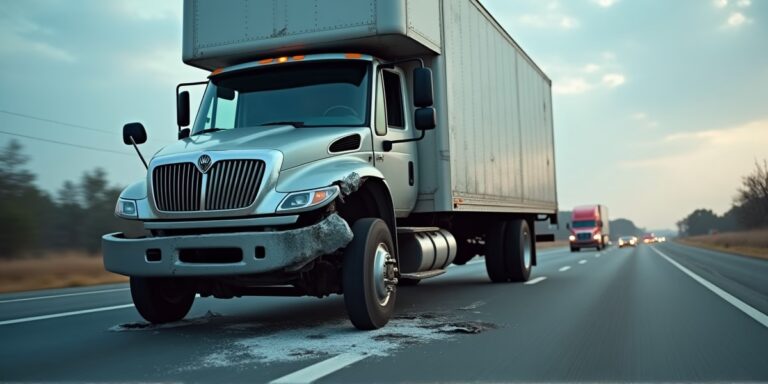
What Damages Are Available After Rollover Crashes?

Rollover crashes are particularly devastating due to the inherent instability of the vehicle and the potential for multiple impacts. Unlike a typical collision, a rollover often results in a complex pattern of injuries, requiring extensive medical treatment and rehabilitation. Understanding the full scope of recoverable damages is crucial for maximizing your compensation after such an accident.
As a personal injury attorney practicing in San Diego for over 13 years, I’ve seen firsthand how insurance companies attempt to minimize payouts in rollover cases. Trained by former insurance defense attorneys, I intimately understand their tactics for evaluating, devaluing, and denying claims. They’ll scrutinize every aspect of the accident, looking for ways to shift blame or argue that your injuries aren’t as severe as they appear. That’s why having experienced legal counsel is paramount.
What Types of Damages Can I Recover After a Rollover Crash?
The damages available in a rollover crash case are broad and depend on the specifics of your injuries and losses. These generally fall into two main categories: economic and non-economic damages. Economic damages are quantifiable financial losses, while non-economic damages address the intangible impacts of the accident.
Economic damages include medical expenses (past and future), lost wages (past and future), property damage (vehicle repair or replacement), and other out-of-pocket costs related to the accident. Future medical expenses require expert testimony to project the long-term costs of care, rehabilitation, and potential surgeries. It’s critical to document all expenses meticulously, including receipts, bills, and pay stubs.
Non-economic damages compensate you for the pain and suffering, emotional distress, loss of enjoyment of life, and permanent disability resulting from the accident. These damages are more subjective and require a strong presentation of evidence, including medical records, witness testimony, and personal journals documenting your recovery process.
How Do Insurance Companies Evaluate Rollover Crash Claims?
Insurance companies will employ a variety of methods to evaluate rollover crash claims. They’ll investigate the cause of the accident, review police reports, examine vehicle damage, and obtain your medical records. They’ll also likely request a recorded statement from you, which can be used against you later if you’re not careful. It’s generally best to avoid giving a recorded statement without first consulting with an attorney.
A key focus of their investigation will be determining liability. Was the rollover caused by a mechanical failure, driver error, or the negligence of another party? If another driver was at fault, they’ll assess their insurance coverage and attempt to negotiate a settlement. However, they’ll often start with a lowball offer, hoping you’ll accept it without legal representation.
They will also look for pre-existing conditions, attempting to attribute your injuries to factors other than the accident. This is why it’s crucial to have a thorough medical evaluation and a clear understanding of your pre-accident health status. In San Diego, we frequently encounter cases where insurers try to downplay the severity of injuries by focusing on prior medical issues.
What if the Rollover Was Caused by a Defective Tire or Vehicle Component?
If the rollover was caused by a defective tire, brake failure, or another vehicle component malfunction, you may have a claim against the manufacturer or distributor of the defective product. These cases often involve complex litigation and require expert testimony to prove the defect existed and caused the accident. Product liability claims can be particularly challenging, but they can also result in significant compensation.
Establishing a product defect requires demonstrating that the component deviated from its intended design or failed to perform as expected. This often involves forensic analysis of the defective part and expert testimony from engineers and safety specialists. We’ve successfully litigated numerous product liability cases in San Diego, holding manufacturers accountable for their faulty products.
Furthermore, it’s important to preserve the damaged vehicle and any defective components as evidence. The insurance company may attempt to dispose of the vehicle quickly, so it’s crucial to take steps to prevent this from happening. A spoliation letter can be sent to the insurance company, demanding that they preserve all relevant evidence.
Can I Recover Damages if I Was Partially at Fault for the Rollover?
California operates under a “pure” comparative fault system, meaning you can still recover damages even if you were partially at fault for the accident. However, your compensation will be reduced by your percentage of fault. For example, if you were 30% at fault for the accident, you can still recover 70% of your damages.
Determining fault is often a complex process, involving investigation of the accident scene, witness testimony, and analysis of police reports. The insurance company will likely attempt to argue that you were more at fault than you actually were, so it’s crucial to have an attorney who can effectively present your case and counter their arguments.
Under Civ. Code § 1714, the jury will apportion fault between all parties involved in the accident. This can be a contentious issue, and it’s important to have a skilled attorney who can effectively advocate for your position.
What Should I Do Immediately After a Rollover Crash?
Following a rollover crash, it’s crucial to take several steps to protect your legal rights. First, ensure your safety and seek medical attention immediately, even if you don’t feel seriously injured. Second, contact the police and file a report. Third, gather information from any witnesses and obtain their contact information. Fourth, document the accident scene with photos and videos, if possible.
Finally, and most importantly, contact an experienced personal injury attorney as soon as possible. An attorney can advise you on your legal options, investigate the accident, and negotiate with the insurance company on your behalf. Don’t attempt to handle the claim on your own, as you may inadvertently jeopardize your chances of recovering full compensation.
I’ve dedicated my career to helping individuals injured in truck accidents throughout San Diego. With over 13 years of experience, I’ve developed a deep understanding of the complexities of these cases and a proven track record of success. I’m committed to fighting for the rights of my clients and ensuring they receive the compensation they deserve.
What is the Statute of Limitations for Filing a Lawsuit After a Rollover Crash?
In California, you generally have **two years** from the date of the truck accident to file a lawsuit. This deadline is strict, and failing to file within the statutory period can result in the permanent loss of your right to recover damages. Because trucking companies often begin evidence destruction (like purging ELD data) as soon as the law allows, immediate filing is critical to preserve the integrity of the claim. CCP § 335.1 governs these timelines.
The statute of limitations can be complex, especially in cases involving multiple parties or government entities. It’s crucial to consult with an attorney as soon as possible to ensure you meet all applicable deadlines. We can immediately investigate the accident and initiate the necessary legal proceedings to protect your rights.
Don’t delay seeking legal counsel. The sooner you contact an attorney, the better prepared you’ll be to pursue your claim and maximize your compensation.
What if the Truck Driver Was Operating Outside of Federal Hours of Service Regulations?
Federal **Hours of Service (HOS)** regulations dictate exactly how long a driver can be behind the wheel. Violations of these federal safety standards, often proven through Electronic Logging Device (ELD) data, are used to demonstrate driver fatigue. Fatigue is a major contributing factor in many truck accidents, and evidence of HOS violations can be crucial in establishing liability. 49 CFR § 395 details these regulations.
ELD data provides a detailed record of a driver’s hours of service, including driving time, rest breaks, and off-duty periods. We routinely obtain ELD data in our cases and analyze it for violations. These violations can be used to demonstrate that the driver was operating while fatigued, increasing the risk of an accident.
Furthermore, we can investigate the trucking company’s safety records to determine if they have a history of HOS violations. A pattern of violations can indicate a systemic problem with the company’s safety practices and strengthen your claim.
What if the Trucking Company Neglected Proper Maintenance and Safety Inspections?
Commercial vehicles are subject to rigorous safety and inspection regulations. Failure to maintain brakes, tires, or lighting systems according to California’s commercial vehicle safety framework can be used to establish direct liability against the carrier for ‘negligent maintenance’. CVC § 34500 outlines these requirements.
We routinely investigate the maintenance records of commercial vehicles involved in accidents. These records can reveal a history of neglected repairs, overdue inspections, or falsified documentation. Evidence of negligent maintenance can be used to demonstrate that the trucking company prioritized profits over safety.
In addition, we can consult with expert witnesses to assess the condition of the vehicle and determine if any mechanical failures contributed to the accident.
What if the Government Was Responsible for the Road Condition That Caused the Rollover?
If a truck accident involves a government-owned vehicle or a dangerous road condition maintained by a public entity, a formal administrative claim **MUST** be presented within **6 months** (180 days). Failure to meet this strict deadline under the Government Tort Claims Act can result in the permanent loss of your right to recover. Gov. Code § 911.2 details these requirements.
These claims often involve complex legal procedures and require a thorough investigation of the government entity’s maintenance records and safety protocols. It’s crucial to consult with an attorney as soon as possible to ensure you meet all applicable deadlines and properly present your claim.
We have extensive experience handling claims against government entities in San Diego and are familiar with the specific requirements of the Government Tort Claims Act.
What Should I Do if the Insurance Company Requests a Recorded Statement?
Insurance companies frequently request recorded statements from accident victims. While you are not legally obligated to provide a statement, doing so can be detrimental to your claim. Insurance adjusters are trained to ask leading questions and elicit information that can be used against you later. It’s generally best to avoid giving a recorded statement without first consulting with an attorney.
If you are contacted by an insurance adjuster requesting a statement, politely decline and inform them that you will be represented by counsel. Your attorney can then handle all communications with the insurance company and ensure your rights are protected.
We will advise you on whether or not to provide a statement and, if so, how to prepare for it. Our goal is to protect your interests and maximize your compensation.