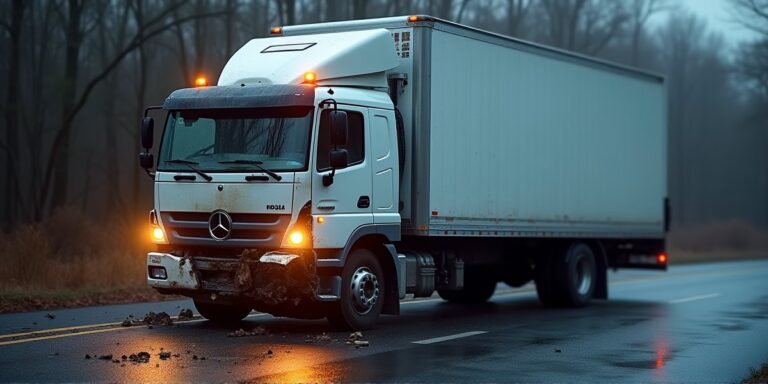
What Damages Are Available After A Tow Truck Crash?

As a personal injury attorney practicing in San Diego for over 13 years, I’ve seen firsthand the devastating impact tow truck accidents can have on individuals and families. Tow truck drivers, while providing an essential service, often operate under pressure and can be prone to negligence. Their large vehicles and complex operations increase the risk of serious collisions, and unfortunately, insurance companies often attempt to minimize their liability in these cases. I was trained by a former insurance defense attorney, giving me intimate knowledge of how insurance companies evaluate, devalue, and deny claims.
Understanding the full scope of damages you’re entitled to after a tow truck crash is crucial to securing the compensation you deserve. It’s not simply about covering your medical bills; it’s about restoring your life as much as possible. Let’s break down the various types of damages available to you in California.
What types of medical expenses can I recover after a tow truck crash?
Recoverable medical expenses are a cornerstone of any tow truck accident claim. This extends far beyond the initial emergency room visit. You can seek compensation for all reasonable and necessary medical care related to your injuries, including:
- Emergency Room Treatment: Costs associated with initial stabilization and diagnosis.
- Hospitalization: Inpatient stays, surgery, and related fees.
- Ambulance Services: The cost of transport to the hospital.
- Physical Therapy: Ongoing rehabilitation to regain function and manage pain.
- Chiropractic Care: Treatment for musculoskeletal injuries.
- Medications: Prescription and over-the-counter medications.
- Future Medical Care: Projected costs for ongoing treatment, including surgeries, therapy, and assistive devices.
It’s essential to keep meticulous records of all medical bills, treatment plans, and communications with healthcare providers. Documenting everything is key to building a strong claim.
Can I recover lost wages if I miss work due to my injuries?
Absolutely. If your injuries prevent you from working, you are entitled to compensation for lost income. This includes not only your current wages but also potential future earnings if your injuries result in a long-term disability. To substantiate your lost wage claim, you’ll need to provide documentation such as:
- Pay Stubs: Proof of your regular earnings.
- Employment Verification: A letter from your employer confirming your employment status and wages.
- Doctor’s Notes: Documentation outlining your work restrictions and limitations.
- Tax Returns: To demonstrate your income history.
For self-employed individuals, calculating lost wages can be more complex. We can help you determine the appropriate method for proving your income loss.
What about pain and suffering – how is that calculated?
Pain and suffering are non-economic damages that compensate you for the physical and emotional distress caused by your injuries. While there’s no precise formula for calculating pain and suffering, insurance companies often use a multiplier method, typically multiplying your total medical expenses by a factor of 1.5 to 5, depending on the severity of your injuries and their impact on your life. Factors considered include:
- Severity of Injuries: More serious injuries generally warrant higher compensation.
- Length of Recovery: A longer recovery period indicates greater suffering.
- Impact on Daily Life: How your injuries affect your ability to perform everyday activities.
- Emotional Distress: Evidence of anxiety, depression, or PTSD.
Establishing a clear link between your injuries and your pain and suffering is crucial. We can help you gather evidence, such as medical records, therapy notes, and personal journals, to support your claim.
What other types of damages can I pursue in a tow truck accident case?
Beyond medical expenses, lost wages, and pain and suffering, you may be entitled to additional damages, including:
- Property Damage: The cost of repairing or replacing your vehicle.
- Loss of Consortium: Compensation for the loss of companionship and intimacy suffered by your spouse.
- Punitive Damages: In cases of gross negligence or intentional misconduct, you may be able to recover punitive damages to punish the responsible party.
- Rental Car Costs: Reimbursement for the cost of a rental vehicle while your car is being repaired.
It’s important to remember that every case is unique, and the specific damages available to you will depend on the facts of your situation.
What if the tow truck driver was working for a company – can I sue the company too?
In most cases, yes. Under the doctrine of **vicarious liability** (respondeat superior), a principal is responsible to third persons for the negligence of their agent in the transaction of business. Civ. Code § 2338 holds the trucking company legally liable for the wrongful acts of its drivers committed within the scope of their employment. This means you can pursue a claim against both the driver and the tow truck company. Often, the company has deeper pockets and more substantial insurance coverage, making it essential to include them in your lawsuit.
How long do I have to file a lawsuit after a tow truck accident in California?
California law provides a **two-year** window from the date of the truck accident to file a lawsuit. CCP § 335.1 Because trucking companies often begin evidence destruction (like purging ELD data) as soon as the law allows, immediate filing is critical to preserve the integrity of the claim.
What should I do if the insurance company asks me to give a recorded statement?
Politely decline. Insurance companies record statements to gather information that can be used to devalue or deny your claim. They are skilled at asking leading questions and twisting your words. It’s best to let an attorney handle all communications with the insurance company.
What if I have medical liens from healthcare providers?
Medical liens are claims placed on your settlement by healthcare providers to ensure they are paid for their services. We can negotiate with healthcare providers to reduce the amount of the lien or explore other options for resolving the lien. ER billing practices often differ significantly from standard medical lien amounts, and we can help you navigate these complexities.
What if the accident involved a government vehicle or roadway hazard?
If a truck accident involves a government-owned vehicle or a dangerous road condition maintained by a public entity, a formal administrative claim **MUST** be presented within **6 months** (180 days). Gov. Code § 911.2 Failure to meet this strict deadline under the Government Tort Claims Act can result in the permanent loss of your right to recover.
What if the insurance company makes a policy limits tender?
A policy limits tender is an offer from the insurance company to settle your claim for the maximum amount of their policy. It’s crucial to carefully evaluate any policy limits tender before accepting it. We can assess the full value of your claim and advise you on whether the offer is fair. We will also investigate whether there are other sources of recovery, such as excess insurance policies.
How does comparative fault affect my claim?
California’s ‘pure’ comparative fault system applies to trucking claims. Civ. Code § 1714 Even if a truck driver argues you shared responsibility, you can still recover damages; however, your total compensation will be reduced by your percentage of fault.