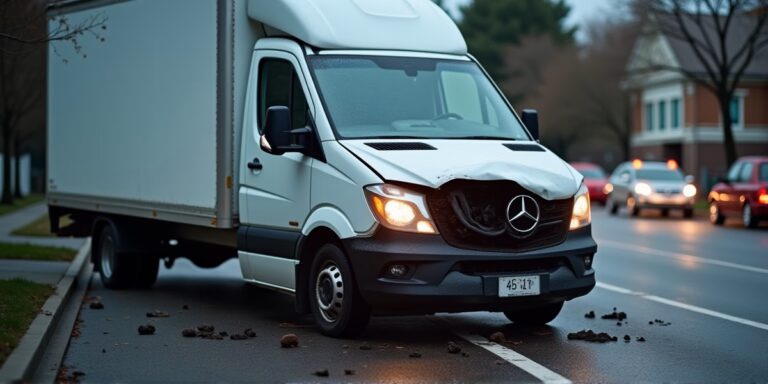
What Damages Can I Recover After A Truck Crash?

Truck crash claims are significantly more complex than typical car accident cases. The sheer size and weight of commercial vehicles, coupled with the stringent federal and state regulations governing their operation, introduce layers of liability that require specialized legal expertise. It’s not simply about proving the driver was at fault; it’s about identifying *all* responsible parties and maximizing recovery for the full extent of your losses.
One of the first things I explain to clients in these situations is the broad scope of recoverable damages. While medical expenses are often the most immediate concern, they represent only a fraction of the total compensation you may be entitled to. We meticulously document every aspect of the financial and personal toll the accident has taken, building a comprehensive case that leaves no stone unturned.
I’ve been practicing personal injury law in San Diego for over 13 years, and I’ve seen firsthand how insurance companies attempt to minimize payouts in truck crash cases. Trained by a former insurance defense attorney, I have intimate knowledge of how they evaluate, devalue, and deny claims. This insight allows me to anticipate their tactics and build a stronger, more persuasive case on behalf of my clients.
What types of medical expenses can I recover?
Recoverable medical expenses extend far beyond the initial emergency room visit and hospital stay. They encompass the full spectrum of care required to address both the immediate and long-term consequences of your injuries. This includes ambulance fees, surgery costs, physical therapy, medication, diagnostic testing (MRIs, CT scans, X-rays), and ongoing rehabilitation services.
Furthermore, we often work with medical economists to project the future cost of care, accounting for potential complications, long-term disabilities, and the need for assistive devices or home healthcare. It’s crucial to remember that even seemingly minor injuries can require extensive and costly treatment over time.
We also pursue compensation for expenses related to travel to and from medical appointments, as well as the cost of any necessary modifications to your home or vehicle to accommodate your injuries.
Can I recover lost wages if I’m unable to work?
Absolutely. Lost wages are a significant component of most truck crash claims, particularly when injuries result in prolonged or permanent disability. This includes not only your current earnings but also any potential future income you’ve lost as a result of the accident. We work with vocational experts to assess your earning capacity and calculate the full extent of your economic losses.
For self-employed individuals, calculating lost wages can be more complex, requiring detailed documentation of your business income and projected profits. We have extensive experience in handling these types of cases and ensuring you receive the full compensation you deserve.
Furthermore, if you’ve used sick leave or vacation time as a result of the accident, you may be able to recover those benefits as well.
What about pain and suffering – is that recoverable?
Yes, pain and suffering are a significant component of damages in truck crash cases. While quantifying these intangible losses can be challenging, they are a legitimate and important part of your recovery. Pain and suffering encompass the physical discomfort, emotional distress, mental anguish, and loss of enjoyment of life caused by your injuries.
Insurance companies often attempt to minimize these damages, but we fight to ensure you receive fair compensation for the profound impact the accident has had on your quality of life. We present compelling evidence, including medical records, witness testimony, and your own personal account of your suffering, to demonstrate the full extent of your losses.
We also consider the long-term psychological effects of the accident, such as PTSD, anxiety, and depression, and seek compensation for any necessary mental health treatment.
What if I’m partially at fault for the accident?
California operates under a ‘pure’ comparative fault system, meaning you can still recover damages even if you were partially responsible for the accident. However, your total compensation will be reduced by your percentage of fault. For example, if you were 20% at fault, your recovery will be reduced by 20%.
Determining fault can be complex, often requiring a thorough investigation of the accident scene, witness statements, and police reports. Insurance companies will often attempt to shift blame onto the victim, so it’s crucial to have an experienced attorney on your side to protect your rights.
Under Civ. Code § 1714, even a small percentage of fault can impact your recovery, making it essential to have a skilled advocate to navigate this complex legal landscape.
What if the truck driver was working for a company at the time of the accident?
This is a common scenario in truck crash cases, and it introduces the concept of vicarious liability. Under the doctrine of **vicarious liability** (respondeat superior), a principal is responsible to third persons for the negligence of their agent in the transaction of business. This means the trucking company can be held liable for the wrongful acts of its drivers committed within the scope of their employment.
We investigate the driver’s employment status, hours of service records, and training history to determine if the company was negligent in its hiring, supervision, or retention practices. Often, the trucking company’s insurance policy will have higher coverage limits than the driver’s personal policy, making it crucial to pursue a claim against the company.
Under Civ. Code § 2338, establishing this connection is critical to maximizing your recovery.
How long do I have to file a claim after a truck accident?
In California, the statute of limitations for personal injury claims is generally **two years** from the date of the accident. However, this deadline can be complex, particularly in truck crash cases involving federal regulations or government entities. Because trucking companies often begin evidence destruction (like purging ELD data) as soon as the law allows, immediate filing is critical to preserve the integrity of the claim.
If the accident involved a government-owned vehicle or a dangerous road condition maintained by a public entity, a formal administrative claim **MUST** be presented within **6 months** (180 days). Failure to meet this strict deadline under the Government Tort Claims Act can result in the permanent loss of your right to recover.
Under CCP § 335.1, it’s crucial to consult with an attorney as soon as possible to ensure you meet all applicable deadlines.
What if the truck driver claims they are an independent contractor, not an employee?
Determining whether a driver is an employee or an independent contractor can be a complex legal issue. California’s ‘ABC test’ determines if a delivery driver (Amazon/FedEx) is an employee or contractor. Even if labeled a ‘contractor,’ a company may be liable if they exercise control over the driver’s work, a key factor in San Diego delivery truck litigation.
We investigate the level of control the company exercised over the driver’s work, including their scheduling, routes, and training. If the company exerted significant control, they may be considered an employer, making them liable for the driver’s negligence.
Under Labor Code § 2775, this distinction is crucial to establishing liability and maximizing your recovery.
What should I do if the insurance company asks me to give a recorded statement?
I strongly advise against giving a recorded statement to the insurance company without first consulting with an attorney. Insurance adjusters are trained to ask leading questions designed to minimize their liability and devalue your claim. They may attempt to elicit statements that can be used against you later in the case.
We can handle all communications with the insurance company on your behalf, protecting your rights and ensuring you don’t inadvertently say anything that could harm your case. It’s always best to let an experienced attorney advocate for you.
Furthermore, be cautious about signing any releases or authorizations without first reviewing them with legal counsel.
What happens if I have medical liens against my potential recovery?
Medical liens are claims filed by healthcare providers for payment of services rendered. These liens can significantly reduce your net recovery, so it’s crucial to understand your options for resolving them. We have extensive experience negotiating with healthcare providers to reduce lien amounts and protect your financial interests.
We can explore various strategies for resolving medical liens, including Medicare/Medicaid subrogation rights, private insurance offsets, and potential lien waivers. It’s important to address these liens early in the case to avoid unexpected reductions in your settlement or judgment.
ER billing vs. medical liens can be complex, and we can help you navigate the intricacies of these claims.
I’ve dedicated my career to helping injured victims in San Diego recover the full compensation they deserve. If you’ve been injured in a truck crash, don’t hesitate to contact my office for a free consultation. We can discuss your case in detail and explore your legal options.