What Happens During A Free Consultation?

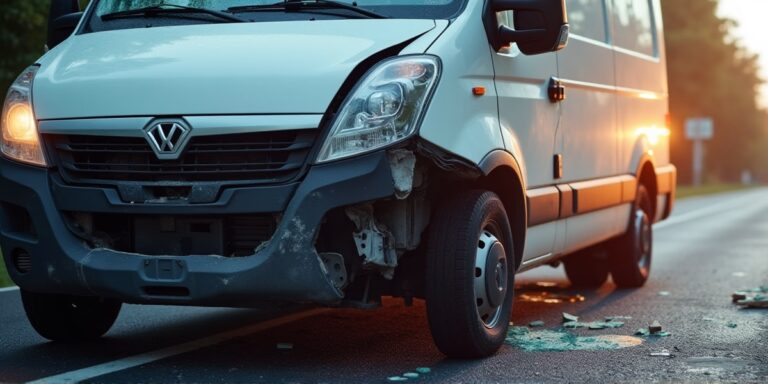
That’s a scenario I see far too often in San Diego. When you’ve been seriously injured in a truck accident, the immediate aftermath is overwhelming. One of the first questions my clients ask is, “What happens during a free consultation?” It’s a critical step, and understanding the process can alleviate some of the stress.
A free consultation isn’t about me immediately taking your case. It’s about *you* getting information and assessing whether we’re a good fit. I’ve been practicing personal injury law in San Diego for over 13 years, and I’ve been trained by former insurance defense attorneys, giving me intimate knowledge of how insurance companies evaluate, devalue, and deny claims. I’ll leverage that insight to help you understand your rights and options.
What Should I Expect During My Initial Consultation?
The first consultation is a conversation. I’ll ask detailed questions about the accident itself – the date, time, location, weather conditions, and a thorough account of how it happened. Be prepared to describe the impact, the damage to your vehicle, and the immediate aftermath, including any interactions with the police or the truck driver.
I’ll also need to understand the extent of your injuries. Bring any medical records you have, including emergency room reports, doctor’s notes, and preliminary diagnostic imaging. If you haven’t sought medical attention yet, I’ll strongly advise you to do so immediately, even if you don’t feel seriously injured. Some injuries, like traumatic brain injuries, aren’t immediately apparent.
Finally, we’ll discuss your insurance coverage, including your own policy and any potential coverage from the trucking company. I’ll ask about any communications you’ve already had with insurance adjusters. It’s crucial to avoid making any recorded statements to insurance companies before speaking with an attorney.
Will You Take My Case? What Factors Do You Consider?
Not every case is a clear-cut win. I’ll assess several factors to determine if I believe I can successfully pursue a claim on your behalf. This includes the liability of the truck driver – was the accident caused by negligence, such as distracted driving, speeding, or violating hours-of-service regulations? We need to establish fault. I’ll also evaluate the available insurance coverage and the severity of your injuries.
I’ll also consider the potential for a successful recovery under California law. Civ. Code § 2338, the doctrine of vicarious liability, is often central to trucking claims, holding the trucking company responsible for the actions of its drivers. If the driver was acting within the scope of their employment, the company can be held liable.
If I believe your case has merit, I’ll explain the potential legal process, including filing a lawsuit, conducting discovery, and negotiating with the insurance company. I’ll also discuss my fees, which are typically contingency-based – meaning I only get paid if we win your case.
What Documents Should I Bring to the Consultation?
Gathering relevant documents beforehand will make the consultation more efficient. At a minimum, bring:
- Police Report: This is a critical document containing the officer’s initial assessment of the accident.
- Medical Records: Include all records related to your injuries, even preliminary reports.
- Insurance Information: Bring your policy information and any correspondence from the insurance company.
- Photos/Videos: If you have any photos or videos of the accident scene or your injuries, bring them along.
- Witness Information: If there were any witnesses to the accident, bring their contact information.
What if I Haven’t Seen a Doctor Yet?
If you haven’t sought medical attention, I strongly recommend doing so as soon as possible. Not only is it essential for your health, but it also strengthens your claim. Insurance companies often question the severity of injuries if there’s a delay in seeking treatment. Documenting your injuries with a medical professional is crucial.
Even if you feel relatively okay immediately after the accident, some injuries, like whiplash or concussions, can take days or weeks to manifest. A thorough medical evaluation will help identify any hidden injuries and establish a clear link between the accident and your symptoms.
What Happens After the Consultation?
After the consultation, I’ll take some time to review your case and determine if I’m willing to represent you. If so, we’ll discuss a formal representation agreement outlining the terms of our relationship. If I don’t believe I can successfully pursue your claim, I’ll explain my reasoning and offer referrals to other attorneys if appropriate. The goal is always to ensure you have the best possible legal representation.
What is the Statute of Limitations for a Truck Accident Claim in California?
California law provides a **two-year** window from the date of the truck accident to file a lawsuit. Because trucking companies often begin evidence destruction (like purging ELD data) as soon as the law allows, immediate filing is critical to preserve the integrity of the claim. Don’t delay seeking legal counsel.
What if the Accident Involved a Government Vehicle or Road Defect?
If a truck accident involves a government-owned vehicle or a dangerous road condition maintained by a public entity, a formal administrative claim **MUST** be presented within **6 months** (180 days). Failure to meet this strict deadline under the Government Tort Claims Act can result in the permanent loss of your right to recover. These deadlines are unforgiving.
How Does the “ABC Test” Apply to Delivery Drivers?
California’s ‘ABC test’ determines if a delivery driver (Amazon/FedEx) is an employee or contractor. Even if labeled a ‘contractor,’ a company may be liable if they exercise control over the driver’s work, a key factor in San Diego delivery truck litigation.
What is “Vicarious Liability” and How Does it Relate to Trucking Companies?
Under the doctrine of **vicarious liability** (respondeat superior), a principal is responsible to third persons for the negligence of their agent in the transaction of business. This holds the trucking company legally liable for the wrongful acts of its drivers committed within the scope of their employment.
What are the Speed Limits for Commercial Trucks in California?
In California, commercial trucks (including semi-tractors with three or more axles) are strictly prohibited from exceeding **55 miles per hour** on any highway. In San Diego freeway crashes, proving a violation of this speed limit is a primary tool for establishing statutory negligence.