What Happens If A Truck Merges Into My Lane?

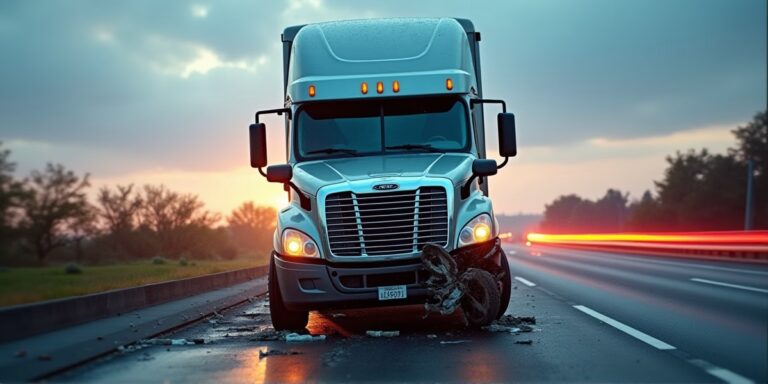
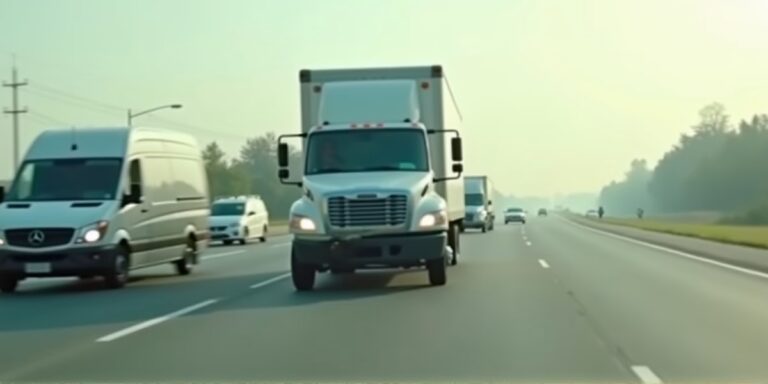
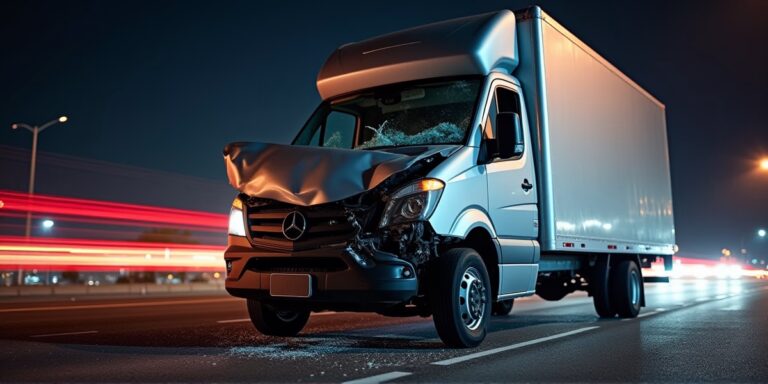
When a truck merges into your lane, causing an accident, determining liability can be complex. It’s not always as simple as the truck driver being at fault. Several factors come into play, including who initiated the lane change, whether proper signals were used, and if there were any contributing factors like distracted driving or mechanical issues. The sheer size and weight of a commercial truck dramatically increase the potential for severe injuries and property damage, making a thorough investigation crucial.
California law places a high duty of care on truck drivers and trucking companies to operate their vehicles safely. This includes maintaining proper lookout, signaling intentions, and ensuring they have sufficient space to merge without causing a collision. A failure to meet these standards can result in significant legal consequences. However, proving negligence requires more than just stating a truck merged into your lane; we need to establish a direct link between that action and your injuries.
As a personal injury attorney practicing in San Diego for over 13 years, I’ve seen firsthand how insurance companies attempt to minimize their payouts in truck accident cases. I was trained by former insurance defense attorneys, giving me intimate knowledge of how they evaluate, devalue, and deny claims. They often focus on finding ways to shift blame to the other driver, even in clear-cut situations. That’s why it’s essential to have an advocate who understands their tactics and can fight for your rights.
What evidence is needed to prove a truck driver was at fault when merging into my lane?
Gathering compelling evidence is paramount. This includes the police report, which will document the accident details and any witness statements. However, police reports aren’t always comprehensive, so we often conduct our own independent investigation. This can involve obtaining dashcam footage from your vehicle or nearby traffic cameras, as well as the truck’s Electronic Logging Device (ELD) data, which records the driver’s hours of service and driving patterns.
Witness testimony is also invaluable. If there were independent witnesses who saw the accident, their accounts can provide crucial support for your claim. We also look for any evidence of the truck driver’s negligence, such as cell phone records indicating distracted driving or maintenance logs revealing mechanical issues. In San Diego, we frequently subpoena these records to build a strong case.
Can I recover damages if I was partially at fault for the accident?
Yes, California operates under a “pure” comparative fault system, meaning you can still recover damages even if you were partially responsible for the accident. However, your compensation will be reduced by your percentage of fault. For example, if you sustained $100,000 in damages but were found to be 20% at fault, you would only be able to recover $80,000. Determining fault is often a contentious issue, and insurance companies will aggressively attempt to maximize your percentage of responsibility.
It’s crucial to understand that even if you believe you were only slightly at fault, the insurance company may try to portray your actions as more negligent than they were. That’s why having an experienced attorney who can thoroughly investigate the accident and present a compelling argument on your behalf is so important.
What if the truck driver claims they didn’t see me?
The truck driver’s claim that they didn’t see you doesn’t automatically absolve them of responsibility. Truck drivers have a duty to maintain proper lookout and be aware of their surroundings at all times. If they failed to exercise reasonable care, they can still be held liable for the accident, even if they genuinely didn’t see you.
We would investigate whether factors like weather conditions, road obstructions, or the truck’s blind spots contributed to the accident. We would also examine the driver’s training records to determine if they were adequately trained to operate a commercial vehicle safely. Proving a lack of proper training or a failure to follow safety protocols can strengthen your claim.
What role does the trucking company play in a merge accident claim?
The trucking company can be held liable for the actions of its drivers under the doctrine of **vicarious liability** (respondeat superior), meaning the principal is responsible to third persons for the negligence of their agent in the transaction of business. This holds the trucking company legally liable for the wrongful acts of its drivers committed within the scope of their employment. Civ. Code § 2338.
Furthermore, the trucking company can be directly liable if they were negligent in hiring, supervising, or retaining an unfit driver. This is critical in cases where the driver has a history of FMCSA violations or lacked the proper CDL endorsements. We often investigate the driver’s employment history and background to uncover any red flags that may indicate the trucking company was negligent in their hiring practices.
How long do I have to file a lawsuit after a truck merges into my lane?
In California, you generally have **two years** from the date of the truck accident to file a lawsuit. Because trucking companies often begin evidence destruction (like purging ELD data) as soon as the law allows, immediate filing is critical to preserve the integrity of the claim. CCP § 335.1. Waiting too long can result in the loss of your legal rights, so it’s essential to consult with an attorney as soon as possible after the accident.
Don’t delay seeking legal counsel. The sooner you have an attorney on your side, the better equipped you’ll be to protect your rights and pursue the compensation you deserve. I’ve been helping clients in San Diego navigate the complexities of truck accident claims for over 13 years, and I’m committed to fighting for the best possible outcome in your case.
What should I do if the insurance company asks me to give a recorded statement?
Politely decline to provide a recorded statement without first consulting with an attorney. Insurance companies are skilled at using recorded statements to minimize their payouts. They may ask leading questions or attempt to twist your words to portray you as being at fault. It’s crucial to have an attorney present during any communication with the insurance company to protect your rights.
We can handle all communication with the insurance company on your behalf, ensuring that your interests are protected and that you don’t inadvertently say anything that could harm your claim. Remember, they are not on your side; their goal is to pay as little as possible.
What if I have medical liens that need to be resolved after my truck accident?
Medical liens are claims filed by healthcare providers for the cost of treatment you received as a result of the accident. Resolving these liens can be a complex process, as insurance companies often attempt to reduce the amount owed. We have extensive experience negotiating with healthcare providers and insurance companies to ensure that your medical liens are resolved fairly.
We can also explore options for reducing your medical bills through Medicare or other insurance programs. It’s important to understand your rights and options when dealing with medical liens, and we can provide guidance and support throughout the entire process.
What is the deadline for filing a claim against a government entity if the accident occurred on a public road?
If a truck accident involves a government-owned vehicle or a dangerous road condition maintained by a public entity, a formal administrative claim **MUST** be presented within **6 months** (180 days). Failure to meet this strict deadline under the Government Tort Claims Act can result in the permanent loss of your right to recover. Gov. Code § 911.2.
This deadline is significantly shorter than the two-year statute of limitations for personal injury claims, so it’s crucial to act quickly. We can assist you in preparing and filing the necessary claim documents to ensure that you meet the deadline and preserve your legal rights.
What happens if the insurance company makes a policy limits tender?
A policy limits tender is an offer from the insurance company to settle your claim for the maximum amount of their policy. While it may seem like a generous offer, it’s important to carefully consider whether it adequately compensates you for your injuries and losses. We can evaluate the offer and advise you on whether it’s in your best interest to accept it.
If the policy limits are insufficient to cover your damages, we can explore options for pursuing additional recovery from other sources, such as the trucking company’s excess insurance policy or the driver’s personal assets.
How do insurance companies use comparative fault tactics against me?
Insurance companies frequently employ comparative fault tactics to reduce their payouts. They may argue that you were partially responsible for the accident, even if their driver was primarily at fault. Common tactics include questioning your speed, attention, or whether you were distracted. They may also attempt to portray your actions as negligent, such as failing to yield the right-of-way or not maintaining a proper lookout.
We can counter these tactics by thoroughly investigating the accident, gathering evidence to support your claim, and presenting a compelling argument on your behalf. It’s crucial to have an attorney who understands these tactics and can effectively challenge the insurance company’s attempts to shift blame.