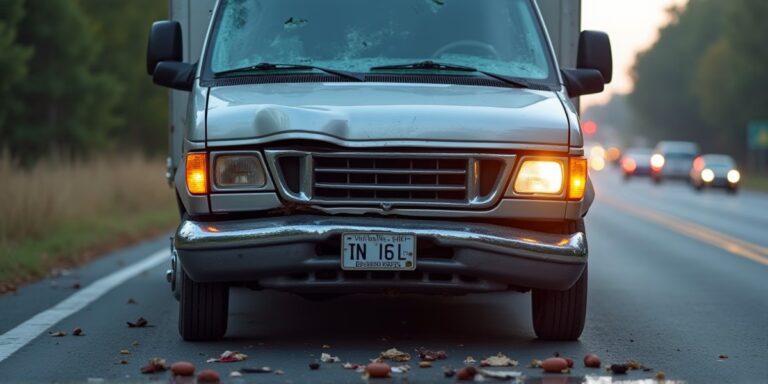
What If Poor Truck Maintenance Caused The Accident?

When a truck accident occurs, it’s easy to focus on the driver. However, a significant number of these crashes are caused by preventable maintenance failures. Trucking companies have a legal and ethical responsibility to ensure their vehicles are properly maintained, and when they fail to do so, they can be held liable for the resulting damages. This includes regular inspections, brake repairs, tire replacements, and adherence to federal safety regulations. Neglecting these crucial aspects of fleet management can lead to catastrophic consequences, and victims are entitled to seek full compensation for their injuries and losses.
The Federal Motor Carrier Safety Administration (FMCSA) sets strict standards for truck maintenance. These regulations cover everything from tire pressure monitoring to brake system inspections. Companies are required to keep detailed records of all maintenance activities, and drivers are responsible for conducting pre-trip inspections to identify any potential issues. A failure to comply with these regulations is a strong indicator of negligence, and can be used as evidence in a legal claim.
I’ve spent over 13 years representing clients injured in truck accidents throughout San Diego. Having been trained by a former insurance defense attorney, I intimately understand how insurance companies evaluate, devalue, and deny claims. They often attempt to shift blame to the driver or downplay the importance of maintenance records. That’s why it’s crucial to have an experienced attorney on your side who can thoroughly investigate the accident, gather evidence, and build a strong case against the responsible parties.
What Evidence is Needed to Prove Poor Truck Maintenance?
Establishing a link between poor maintenance and the accident requires gathering compelling evidence. This often involves obtaining the truck’s maintenance records, which should detail all inspections, repairs, and services performed on the vehicle. Look for discrepancies, gaps in service, or repeated issues that were not adequately addressed. Expert testimony from a qualified mechanic can also be invaluable in analyzing the maintenance records and identifying potential negligence.
Beyond maintenance records, other crucial evidence includes the police report, witness statements, and any available dashcam footage. The FMCSA also maintains a database of safety violations and inspection reports, which can provide valuable insights into the trucking company’s safety history. In some cases, the truck’s event data recorder (EDR), often called a “black box,” can reveal information about the vehicle’s performance leading up to the accident, including brake usage and tire pressure.
It’s important to act quickly to preserve this evidence, as trucking companies may attempt to destroy or alter records to minimize their liability. An attorney can immediately send a spoliation letter demanding the preservation of all relevant data and documents.
Can I Sue the Trucking Company Directly for Negligent Maintenance?
Yes, in many cases, you can sue the trucking company directly for negligent maintenance. Under the doctrine of **vicarious liability** (respondeat superior), a principal is responsible to third persons for the negligence of their agent in the transaction of business. This holds the trucking company legally liable for the wrongful acts of its drivers committed within the scope of their employment. However, proving negligence requires demonstrating that the company failed to exercise reasonable care in maintaining its vehicles.
This can involve showing that the company knew or should have known about a defect that caused the accident, or that they failed to implement adequate maintenance procedures. For example, if the company repeatedly ignored warnings about faulty brakes, or if they failed to conduct regular inspections as required by federal regulations, they could be held liable for the resulting damages. Civ. Code § 2338 provides the legal basis for this type of claim.
Furthermore, if the company owns the truck, they are directly responsible for its safe operation. Even if the driver was at fault, the company can still be held liable for negligent hiring, training, or supervision.
What if the Truck Was Leased to an Independent Contractor?
Determining liability can become more complex when the truck is leased to an independent contractor. In these situations, the leasing company may argue that they are not responsible for the driver’s actions. However, this is not always the case. If the leasing company exercised significant control over the driver’s operations, or if they failed to properly vet the driver’s qualifications, they could still be held liable.
California’s ‘ABC test’ determines if a delivery driver (Amazon/FedEx) is an employee or contractor. Even if labeled a ‘contractor,’ a company may be liable if they exercise control over the driver’s work, a key factor in San Diego delivery truck litigation. Labor Code § 2775 outlines this test. An attorney can thoroughly investigate the relationship between the leasing company and the driver to determine who is ultimately responsible for the accident.
It’s crucial to understand that even if the driver is considered an independent contractor, the trucking company may still be liable for their own negligence in maintaining the vehicle.
What Damages Can I Recover in a Truck Accident Claim?
If you’ve been injured in a truck accident caused by poor maintenance, you may be entitled to recover a wide range of damages, including medical expenses, lost wages, pain and suffering, and property damage. You can also seek compensation for future medical care, lost earning capacity, and emotional distress.
In some cases, you may also be able to recover punitive damages, which are intended to punish the trucking company for particularly egregious misconduct. This can occur if the company knowingly disregarded safety regulations or intentionally concealed evidence of maintenance failures. The amount of damages you can recover will depend on the severity of your injuries, the extent of your losses, and the strength of your evidence.
It’s important to work with an experienced attorney who can accurately assess your damages and fight to maximize your compensation.
How Long Do I Have to File a Lawsuit After a Truck Accident?
In California, the **Statute of Limitations** for personal injury claims is generally **two years** from the date of the accident. Because trucking companies often begin evidence destruction (like purging ELD data) as soon as the law allows, immediate filing is critical to preserve the integrity of the claim. CCP § 335.1 outlines these deadlines. Failing to file a lawsuit within this timeframe will likely result in the permanent loss of your right to recover compensation.
However, there are exceptions to this rule, such as cases involving government entities or minors. It’s crucial to consult with an attorney as soon as possible to determine the applicable statute of limitations and ensure that your claim is filed on time.
Don’t delay seeking legal advice. The sooner you act, the better your chances of a successful outcome.
What Should I Do If I Suspect Poor Maintenance Caused My Truck Accident?
If you suspect poor maintenance contributed to your truck accident, it’s crucial to take immediate action. First, document everything you can remember about the accident, including the condition of the truck, any warning signs you observed, and the driver’s behavior. Next, seek medical attention for your injuries and obtain copies of all medical records. Finally, contact an experienced truck accident attorney to discuss your legal options.
An attorney can thoroughly investigate the accident, gather evidence, and build a strong case against the responsible parties. They can also handle all communications with the insurance company and ensure that your rights are protected.
Remember, trucking companies have significant resources at their disposal, and they will likely attempt to minimize their liability. Having an experienced attorney on your side is the best way to level the playing field and obtain the compensation you deserve.