
What If The Truck Driver Was Under The Influence?

When a truck driver is operating a commercial vehicle under the influence of alcohol or drugs, the consequences are devastating. The sheer size and weight of these vehicles amplify the harm caused by impaired driving, leading to catastrophic injuries and, tragically, often fatalities. But beyond the immediate physical trauma, there’s a complex legal landscape to navigate, one that requires a deep understanding of both state and federal regulations.
The first critical step is establishing proof of impairment. This isn’t always as straightforward as a positive blood alcohol content (BAC) test at the scene. Evidence can come from a variety of sources, including witness testimony, dashcam footage, the driver’s logbooks, and even the truck’s Electronic Logging Device (ELD) data. We’ve seen cases where inconsistencies in the driver’s reported hours of service raised red flags, leading to further investigation that uncovered drug use.
I’ve been practicing personal injury law in San Diego for over 13 years, and I’ve seen firsthand how insurance companies attempt to minimize their liability in DUI-related truck accidents. Trained by a former insurance defense attorney, I have intimate knowledge of how they evaluate, devalue, and deny claims. They’ll scrutinize every detail, looking for ways to shift blame or argue the driver wasn’t actually impaired at the time of the crash. That’s why it’s essential to have an experienced advocate on your side who understands their tactics.
What are the legal BAC limits for truck drivers in California?
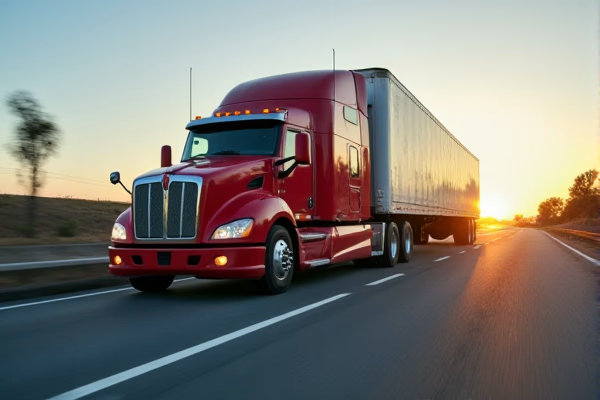
California has a stricter legal BAC limit for commercial drivers than for passenger vehicle operators. While the standard BAC limit is 0.08 percent, the legal limit for anyone operating a commercial vehicle is **0.04 percent**. This lower threshold reflects the heightened responsibility placed on those driving large trucks due to their potential for causing significant harm. Even a BAC slightly above this limit can lead to criminal charges and civil liability.
Furthermore, it’s important to remember that impairment doesn’t solely depend on BAC. Evidence of drug use, even without a positive BAC reading, can be sufficient to establish impairment. This includes prescription medications that affect driving ability, as well as illegal substances.
Can I still recover damages if the truck driver wasn’t formally arrested for DUI?
Yes, absolutely. A formal DUI arrest isn’t required to pursue a claim against an impaired truck driver. We can still build a strong case based on other evidence, such as witness testimony, the driver’s behavior at the scene, and toxicology reports. In many cases, the driver may have been under the influence of prescription drugs or other substances that don’t necessarily result in a DUI arrest.
The key is proving that the driver’s ability to operate the vehicle was compromised at the time of the accident. This can be established through expert testimony, medical records, and a thorough investigation of the circumstances surrounding the crash.
What types of evidence are most helpful in proving a truck driver was under the influence?
Several types of evidence can be crucial in establishing impairment.
- Police Reports: The initial police report will document any observations of the driver’s behavior, such as slurred speech, unsteady gait, or the smell of alcohol.
- Witness Testimony: Statements from witnesses who observed the driver before, during, or after the accident can be invaluable.
- Toxicology Reports: Blood, urine, or hair follicle tests can reveal the presence of alcohol or drugs in the driver’s system.
- Dashcam Footage: Video recordings from the truck’s dashcam or other nearby vehicles can provide objective evidence of the driver’s actions.
- ELD Data: Electronic Logging Device data can reveal inconsistencies in the driver’s hours of service, potentially indicating fatigue or attempts to conceal impairment.
What if the trucking company had reason to know the driver had a history of substance abuse?
If the trucking company was aware of the driver’s substance abuse issues but failed to take appropriate action, they could be held directly liable for your injuries under the theory of negligent hiring or retention. Trucking companies have a duty to thoroughly vet their drivers and ensure they are fit to operate a commercial vehicle safely. This includes conducting background checks, drug screenings, and ongoing monitoring.
Failure to do so can be considered negligence, and the company can be held responsible for the damages caused by the driver’s impaired driving. This is a critical aspect of many San Diego truck accident cases, as it opens up the possibility of recovering compensation from a deeper-pocketed entity.
How does workers’ compensation affect my ability to sue a truck driver for DUI?
If you were injured while driving for a trucking company, you may be entitled to workers’ compensation benefits. However, workers’ compensation is generally the **exclusive remedy** against your employer. This means you typically cannot sue your employer directly for the accident. However, you **can** still pursue a separate civil claim against the negligent third party—in this case, the truck driver who was under the influence. Labor Code § 3852 preserves your right to do so.
It’s important to consult with an attorney to understand your rights and options in this complex situation. We can help you navigate the workers’ compensation system and pursue a separate claim against the responsible parties to maximize your recovery.
What is the statute of limitations for filing a lawsuit after a truck accident involving a DUI driver?
In California, you generally have **two years** from the date of the truck accident to file a lawsuit. Because trucking companies often begin evidence destruction (like purging ELD data) as soon as the law allows, immediate filing is critical to preserve the integrity of the claim. CCP § 335.1 outlines these time constraints.
Don’t delay in seeking legal counsel, as missing the statute of limitations deadline can result in the permanent loss of your right to recover compensation.