What Insurance Covers Tow Truck Accidents?

Determining insurance coverage in tow truck accidents can be incredibly complex. Unlike typical car accidents where liability often rests with a single driver’s policy, tow truck crashes frequently involve multiple potential sources of coverage. This is because tow truck operators often carry a variety of insurance policies, and the specific circumstances of the accident – whether the truck was actively towing a vehicle, responding to a call, or involved in a separate incident – significantly impacts which policy applies. It’s a situation where a deep understanding of commercial insurance law is essential to protect your rights.
The first layer of coverage to investigate is the tow truck company’s general liability insurance. This policy is designed to protect the company from claims arising from its operations, including negligence on the part of its drivers. However, general liability policies often have limitations, and the coverage may be insufficient to cover the full extent of your damages, especially in cases involving serious injuries. Additionally, the policy may exclude certain types of accidents or activities. It’s crucial to understand the scope of this coverage and whether it applies to your specific situation.
I’ve spent over 13 years representing clients injured in San Diego, and I’ve seen firsthand how insurance companies attempt to undervalue and deny legitimate claims. Trained by a former insurance defense attorney, I have intimate knowledge of how these companies evaluate, devalue, and deny claims. I understand the tactics they use and how to effectively counter them. My goal is to ensure you receive the full compensation you deserve.
What types of insurance policies might a tow truck company have?
Tow truck companies often maintain several different insurance policies to cover various risks. Beyond the general liability policy, they may also have commercial auto insurance, which specifically covers accidents involving their vehicles. This policy is similar to personal auto insurance but typically provides higher coverage limits. Another potential source of coverage is a non-owned truck policy, which can protect the company if a driver is using their own vehicle for company business. Finally, some tow truck companies carry umbrella policies, which provide additional coverage above and beyond the limits of their other policies.
Determining which of these policies applies to your case requires a thorough investigation of the tow truck company’s insurance documentation and the specific facts of the accident. This includes reviewing the insurance certificates, policy declarations, and any endorsements that may modify the coverage. It also involves carefully examining the tow truck driver’s employment status and whether they were acting within the scope of their employment at the time of the accident.
It’s also important to consider whether the tow truck was actively towing a vehicle when the accident occurred. If so, the owner of the towed vehicle may also have insurance coverage that could apply. This is because the tow truck company has a duty to exercise reasonable care when towing another person’s property, and a breach of that duty could give rise to a claim against the owner’s insurance policy.
What if the tow truck driver was an independent contractor?
The question of whether a tow truck driver is an employee or an independent contractor is a critical one, as it significantly impacts the availability of insurance coverage. If the driver is an employee, the tow truck company is generally liable for their negligence under the doctrine of vicarious liability (respondeat superior). However, if the driver is an independent contractor, the company may not be liable unless it was negligent in hiring or supervising the driver. Under Civ. Code § 2338, the principal is responsible for the actions of their agent.
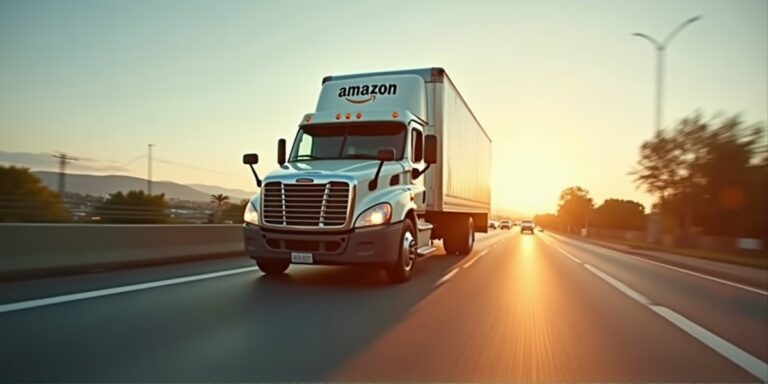
California’s ‘ABC test’ determines if a delivery driver (Amazon/FedEx) is an employee or contractor. Even if labeled a ‘contractor,’ a company may be liable if they exercise control over the driver’s work, a key factor in San Diego delivery truck litigation. This test considers factors such as the level of control the company exercises over the driver’s work schedule, the tools and equipment used, and the method of payment. Determining the driver’s employment status often requires a detailed investigation of the company’s policies and practices.
If the driver is deemed an independent contractor, you may still be able to recover damages from their personal auto insurance policy. However, independent contractors often carry lower coverage limits than commercial drivers, which may not be sufficient to cover your full losses.
What if the accident involved a government-owned tow truck or occurred on government property?
If a truck accident involves a government-owned vehicle or a dangerous road condition maintained by a public entity, a formal administrative claim **MUST** be presented within **6 months** (180 days). Failure to meet this strict deadline under the Government Tort Claims Act can result in the permanent loss of your right to recover. This is a complex process with specific requirements, and it’s essential to follow the procedures carefully.
Government entities often have sovereign immunity, which limits their liability for certain types of claims. However, there are exceptions to this immunity, and you may be able to recover damages if the government was negligent in maintaining its vehicles or roadways. This requires proving that the government had actual or constructive notice of the dangerous condition and failed to take reasonable steps to correct it.
Navigating these claims can be particularly challenging, as government entities often have their own legal teams and are experienced in defending against lawsuits. It’s crucial to have an attorney who understands the intricacies of the Government Tort Claims Act and can effectively advocate for your rights.
What is the statute of limitations for filing a lawsuit in a tow truck accident case?
In California, the statute of limitations for filing a personal injury lawsuit is generally **two years** from the date of the accident. Because trucking companies often begin evidence destruction (like purging ELD data) as soon as the law allows, immediate filing is critical to preserve the integrity of the claim. This means you have a limited amount of time to investigate the accident, gather evidence, and file a lawsuit.
The statute of limitations can be complex, and there are exceptions that may extend or shorten the deadline. For example, if the accident involved a government entity, the claim filing deadline may be shorter than the statute of limitations for filing a lawsuit. It’s essential to consult with an attorney as soon as possible to determine the applicable statute of limitations and ensure you don’t miss the deadline.
Failing to file a lawsuit within the statute of limitations will result in the permanent loss of your right to recover damages. Therefore, it’s crucial to act quickly and seek legal counsel as soon as possible.
What should I do if the insurance company is delaying or denying my claim?
Insurance companies often employ a variety of tactics to delay or deny legitimate claims. These tactics can include questioning the extent of your injuries, disputing the cause of the accident, and demanding additional documentation. If you are experiencing delays or denials, it’s important to remain calm and document everything.
Don’t accept the first settlement offer you receive, as it is likely to be lower than the full value of your claim. Insurance companies often try to settle claims quickly for a fraction of their true worth. It’s essential to have an attorney review any settlement offers before you accept them.
If the insurance company continues to deny your claim, you may need to file a lawsuit to protect your rights. An attorney can help you navigate the legal process and effectively advocate for your interests.