
What Is Overloaded Cargo And Why Is It Dangerous?

Overloaded cargo is a surprisingly common cause of truck accidents in California, and it’s a serious safety hazard. While many people assume truck drivers are professionals who wouldn’t intentionally exceed weight limits, the reality is that pressure to meet deadlines, coupled with inadequate safety protocols, often leads to dangerous practices. Understanding the risks associated with overloaded cargo is crucial for anyone sharing the road with commercial vehicles.
The dangers stem from the fundamental physics of weight and momentum. An overloaded truck requires a significantly longer stopping distance, making it far more difficult to avoid collisions. The increased weight also puts tremendous strain on the truck’s braking system, tires, and suspension, increasing the risk of mechanical failure. Furthermore, an improperly loaded truck can become unstable, leading to rollovers, especially during turns or sudden maneuvers.
I’ve spent over 13 years representing clients injured in truck accidents throughout San Diego. Having been trained by former insurance defense attorneys, I have intimate knowledge of how insurance companies evaluate, devalue, and deny claims involving overloaded cargo. They will often attempt to minimize the role of the weight violation, focusing instead on driver error or other factors. That’s why it’s essential to have an attorney who understands the complexities of these cases and can effectively challenge their tactics.
What are the legal weight limits for trucks in California?
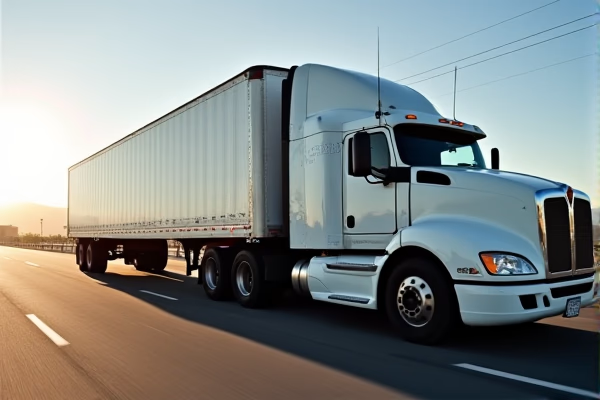
California’s weight limits are complex and depend on several factors, including the type of vehicle, the number of axles, and the route being traveled. Generally, the maximum gross vehicle weight (GVW) for most trucks is 80,000 pounds. However, individual axle weight limits also apply, and exceeding these limits can result in severe penalties. Permits are sometimes available for exceeding weight limits, but these are subject to strict regulations and restrictions.
It’s important to note that these limits are not merely suggestions; they are legally enforceable. Law enforcement officers routinely conduct weigh station inspections to ensure compliance. Violations can result in fines, vehicle impoundment, and even criminal charges in some cases. More importantly, they create a strong basis for a negligence claim if an accident occurs.
How can I determine if a truck was overloaded in an accident?
Determining if a truck was overloaded requires a thorough investigation. This often involves obtaining the truck’s weight manifest, which should document the weight of the cargo at the time of departure. Accident reconstruction experts can also analyze the scene of the accident, tire marks, and vehicle damage to estimate the truck’s weight. Furthermore, the truck’s “black box” data recorder (EDR) may contain information about the vehicle’s weight and speed.
Evidence preservation is critical in these cases. It’s essential to document everything you remember about the accident, including the appearance of the truck and the cargo. If possible, take photos or videos of the scene. Your attorney can then work with investigators to gather the necessary evidence to prove the weight violation.
What evidence is needed to prove a claim involving overloaded cargo?
Successfully pursuing a claim involving overloaded cargo requires a comprehensive collection of evidence. This includes the police report, witness statements, medical records, and the truck’s weight manifest. Accident reconstruction reports and expert testimony are often crucial to establish the link between the overload and the accident. Additionally, any documentation of the trucking company’s safety protocols or lack thereof can be valuable.
The Federal Motor Carrier Safety Administration (FMCSA) maintains a database of trucking company safety records, which can reveal past violations and patterns of negligence. Your attorney can access this database to uncover any red flags that support your claim. It’s also important to investigate whether the driver had any prior violations related to weight limits or cargo securement.
What types of damages can I recover in an overloaded cargo accident case?
If you’ve been injured in an accident caused by an overloaded truck, you may be entitled to recover a wide range of damages. This includes medical expenses, lost wages, pain and suffering, and property damage. In some cases, you may also be able to recover punitive damages if the trucking company acted with gross negligence or willful misconduct. The amount of damages you can recover will depend on the severity of your injuries and the extent of your losses.
It’s important to remember that insurance companies will often attempt to minimize your damages. They may argue that your injuries were not as severe as you claim or that your lost wages are inflated. That’s why it’s essential to have an attorney who can effectively negotiate with the insurance company and fight for the full compensation you deserve.
What is the role of the trucking company’s safety protocols in an overloaded cargo accident?
Trucking companies have a legal duty to ensure the safety of their vehicles and drivers. This includes implementing and enforcing strict safety protocols related to weight limits and cargo securement. If a trucking company failed to adequately train its drivers, maintain its vehicles, or monitor its drivers’ compliance with weight limits, it may be liable for your injuries.
Evidence of inadequate safety protocols can be crucial to establishing negligence. This includes the company’s driver training manuals, maintenance records, and internal policies. Your attorney can use discovery requests to obtain this information and build a strong case against the trucking company. Under the doctrine of **vicarious liability** (respondeat superior), a principal is responsible to third persons for the negligence of their agent in the transaction of business. This holds the trucking company legally liable for the wrongful acts of its drivers committed within the scope of their employment. Civ. Code § 2338
What should I do if I suspect a truck is overloaded?
If you suspect a truck is overloaded, the most important thing is to prioritize your safety. Do not attempt to confront the driver or interfere with the truck. Instead, safely move away from the truck and contact law enforcement. Provide them with as much information as possible, including the truck’s license plate number, location, and a description of the cargo. Your report could help prevent a future accident.
If you’ve been involved in an accident with a truck you suspect was overloaded, it’s essential to contact an attorney immediately. An attorney can investigate the accident, gather evidence, and protect your legal rights. Remember, California law provides a **two-year** window from the date of the truck accident to file a lawsuit. Because trucking companies often begin evidence destruction (like purging ELD data) as soon as the law allows, immediate filing is critical to preserve the integrity of the claim. CCP § 335.1