What Is The Average Settlement For A Commercial Truck Driver Injury?

Determining the average settlement for a commercial truck driver injury is complex, as each case is unique. Several factors significantly influence the outcome, including the severity of the injuries, the extent of medical treatment, lost wages, and the degree of fault. However, understanding the potential avenues for recovery and the types of damages available is crucial for protecting your rights.
One of the first steps in evaluating a truck accident claim is identifying all potential sources of liability. This often includes the truck driver, the trucking company, and potentially the manufacturer of the truck or its components if a defect contributed to the accident. Establishing negligence – proving that a party failed to exercise reasonable care – is paramount. This can involve reviewing driver logs, maintenance records, and the truck’s Event Data Recorder (EDR) data, often referred to as a ‘black box’.
I’ve been practicing personal injury law in San Diego for over 13 years, and I’ve seen firsthand how insurance companies attempt to minimize payouts in truck accident cases. Trained by a former insurance defense attorney, I have intimate knowledge of how they evaluate, devalue, and deny claims. They will scrutinize medical records, question the extent of your injuries, and attempt to shift blame. It’s essential to have an experienced advocate on your side who understands these tactics and can build a strong case to maximize your recovery.
What types of damages can I recover in a truck accident claim?
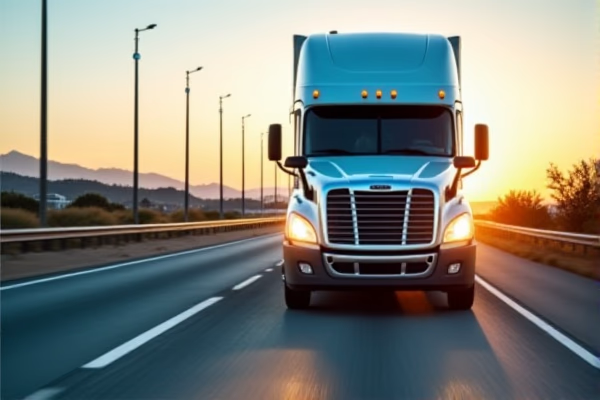
Recoverable damages in a truck accident claim extend beyond just medical expenses. Economic damages, which aim to compensate you for financial losses, include past and future medical bills, lost wages, and property damage. These are quantifiable losses that can be documented with bills, pay stubs, and repair estimates.
However, non-economic damages are also a significant component of many truck accident settlements. These include compensation for pain and suffering, emotional distress, loss of enjoyment of life, and permanent disability. While these damages are more subjective, they are often substantial, particularly in cases involving severe injuries.
Furthermore, in certain circumstances, punitive damages may be available. These are awarded to punish the defendant for egregious misconduct, such as reckless driving or intentional disregard for safety regulations. Proving entitlement to punitive damages requires a higher standard of evidence, but they can significantly increase the overall value of your claim.
How does the statute of limitations affect my truck accident claim?
In California, the statute of limitations for personal injury claims is generally **two-year** from the date of the truck accident to file a lawsuit. Because trucking companies often begin evidence destruction (like purging ELD data) as soon as the law allows, immediate filing is critical to preserve the integrity of the claim. CCP § 335.1
It’s important to note that the statute of limitations can be complex, particularly in cases involving government entities or multiple parties. Failing to file a lawsuit within the prescribed timeframe can result in the permanent loss of your right to recover compensation. Consulting with an attorney as soon as possible after an accident is crucial to ensure you meet all applicable deadlines.
What if the truck driver was working for a company at the time of the accident?
If the truck driver was employed by a trucking company at the time of the accident, the company may be held liable under the doctrine of **vicarious liability** (respondeat superior). This holds the trucking company legally liable for the wrongful acts of its drivers committed within the scope of their employment. Civ. Code § 2338
Furthermore, the trucking company may be directly liable if it was negligent in hiring, supervising, or retaining an unfit driver. This is critical in cases where the driver has a history of FMCSA violations or lacked the proper CDL endorsements. Investigating the driver’s background, training records, and employment history is essential to establishing the trucking company’s liability.
What role does evidence preservation play in a truck accident claim?
Evidence preservation is paramount in truck accident claims. The truck’s Event Data Recorder (EDR), driver logs, maintenance records, and the police report all contain crucial information that can support your claim. It’s essential to act quickly to secure this evidence before it is lost or destroyed.
Sending a spoliation letter to the trucking company demanding preservation of all relevant evidence is a critical first step. This letter formally notifies them of your intent to pursue a claim and instructs them to refrain from altering or destroying any evidence. Failure to comply with a spoliation letter can result in sanctions and adverse inferences at trial.
Additionally, gathering witness statements, photographs of the accident scene, and any available dashcam footage can significantly strengthen your case. The more evidence you can collect, the better equipped you will be to negotiate a favorable settlement.
What should I do if the insurance company asks me to give a recorded statement?
Insurance companies often request recorded statements shortly after an accident. While you are not legally obligated to provide a statement, doing so can be detrimental to your claim. Insurance adjusters are trained to ask leading questions and elicit information that can be used to devalue your case.
It’s best to politely decline the request and inform the insurance company that you will be represented by counsel. An attorney can handle all communication with the insurance company on your behalf, protecting your rights and ensuring you do not inadvertently provide information that could harm your claim.
What if I have medical liens that need to be resolved?
Medical liens arise when healthcare providers provide treatment to an injured party and seek reimbursement for their services. These liens can complicate the settlement process, as they must be resolved before you receive your net recovery. Negotiating with healthcare providers to reduce the amount of the lien is often possible.
Understanding the different types of medical liens – such as those from private insurance companies, Medicare, or Medi-Cal – is crucial. An attorney can help you navigate the complex lien resolution process and ensure you receive the maximum possible compensation.
What if the accident involved a government vehicle or roadway hazard?
If a truck accident involves a government-owned vehicle or a dangerous road condition maintained by a public entity, a formal administrative claim **MUST** be presented within **6 months** (180 days). Failure to meet this strict deadline under the Government Tort Claims Act can result in the permanent loss of your right to recover. Gov. Code § 911.2
These claims are often complex and require specific documentation and procedures. Consulting with an attorney experienced in government liability claims is essential to ensure you meet all applicable deadlines and maximize your chances of a successful recovery.
What is the impact of comparative fault on my truck accident claim?
California’s ‘pure’ comparative fault system applies to trucking claims. Even if a truck driver argues you shared responsibility, you can still recover damages; however, your total compensation will be reduced by your percentage of fault. Civ. Code § 1714
The insurance company will likely attempt to establish some degree of fault on your part, even if it’s minimal. It’s essential to have an attorney who can thoroughly investigate the accident and present evidence to minimize your percentage of fault.
What if the truck driver was an independent contractor, not an employee?
California’s ‘ABC test’ determines if a delivery driver (Amazon/FedEx) is an employee or contractor. Even if labeled a ‘contractor,’ a company may be liable if they exercise control over the driver’s work, a key factor in San Diego delivery truck litigation. Labor Code § 2775
Determining the proper classification of a driver can be complex and often requires a thorough investigation of the working relationship. An attorney can help you navigate this issue and establish the appropriate level of liability.