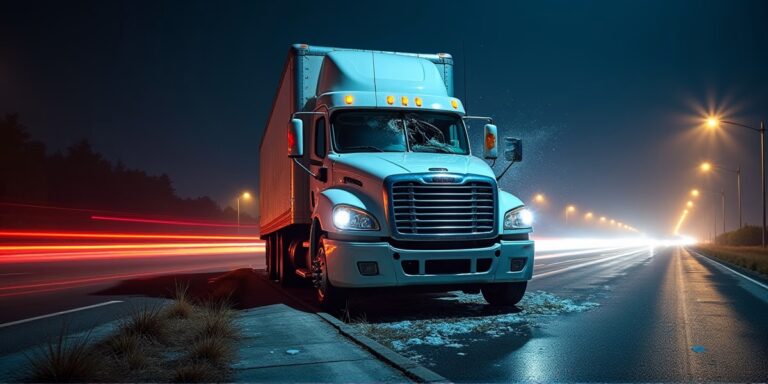
What Should I Do After A Hit And Run Truck Accident?

Hit-and-run accidents involving commercial trucks present unique challenges. Unlike a typical car crash, you’re often dealing with a large corporation with significant resources dedicated to minimizing their liability. Immediate action is crucial to protect your rights and ensure you receive the compensation you deserve. The first step is to remain calm and focus on documenting everything you can at the scene, if safe to do so.
The police report is your most important piece of evidence. Call 911 immediately, even if the damage seems minor. A thorough police investigation will document the accident, attempt to identify the truck and driver, and potentially uncover witnesses. Don’t rely on the truck driver to return voluntarily; they have a legal obligation to stop and render aid, but that doesn’t always happen. The more information the police gather initially, the better your chances of a successful claim.
As a personal injury attorney with over 13 years of experience practicing in San Diego, I’ve seen firsthand how insurance companies attempt to devalue or deny claims following hit-and-run truck accidents. I was trained by a former insurance defense attorney, giving me intimate knowledge of how these companies evaluate, devalue, and deny claims. Understanding their tactics is critical to building a strong case and maximizing your recovery.
What steps should I take at the scene of a hit-and-run truck accident?
Prioritizing your safety is paramount. If possible, move your vehicle to a safe location away from traffic. Then, focus on gathering information. If you can safely do so, take photos of the damage to your vehicle, the surrounding area, and any skid marks. Look for any debris left behind by the truck, such as parts of the truck or cargo. Most importantly, try to remember as much detail as possible about the truck – the color, make, model, license plate number (even a partial plate is helpful), and any identifying features. Witness information is also invaluable; obtain their names and contact details if possible.
Don’t attempt to chase the truck driver. This is dangerous and could jeopardize your safety. Instead, focus on documenting the scene and cooperating with the police. Even if you don’t have immediate evidence of the truck’s identity, the police may be able to locate the driver through investigation. Remember, any delay in reporting the accident can hinder the investigation and potentially weaken your claim.
How long do I have to report a hit-and-run truck accident in California?
California law provides a **two-year** window from the date of the truck accident to file a lawsuit. Because trucking companies often begin evidence destruction (like purging ELD data) as soon as the law allows, immediate filing is critical to preserve the integrity of the claim. While you can report the accident to the police at any time, waiting too long to file a lawsuit can result in the loss of your legal rights. It’s crucial to consult with an attorney as soon as possible to understand your options and ensure you meet all applicable deadlines.
What if the police can’t find the truck driver?
Even if the truck driver remains unidentified, you may still have options for recovery. Your own auto insurance policy may provide uninsured motorist coverage, which can compensate you for your damages if the at-fault driver is unknown. Additionally, if the truck was part of a commercial fleet, the trucking company may be held liable under the doctrine of **vicarious liability** (respondeat superior), even if the driver’s identity is never established. Civ. Code § 2338 outlines this principle. An experienced attorney can investigate the circumstances of the accident and explore all potential avenues for recovery.
Can I still pursue a claim if I wasn’t seriously injured?
Absolutely. You are entitled to compensation for all damages resulting from the hit-and-run accident, regardless of the severity of your injuries. This includes medical expenses, lost wages, property damage, and pain and suffering. Even seemingly minor injuries, such as whiplash or soft tissue damage, can result in significant medical bills and long-term pain. Furthermore, the emotional distress caused by the accident is also compensable. Don’t underestimate the value of your claim simply because your injuries aren’t life-threatening.
What types of evidence are important in a hit-and-run truck accident case?
Gathering and preserving evidence is crucial to building a strong case. This includes the police report, photos of the accident scene, witness statements, medical records, and any documentation related to your lost wages or property damage. If you have dashcam footage, that’s incredibly valuable. Additionally, any information about the truck or the trucking company – such as their safety record or previous accidents – can be helpful. An attorney can assist you in obtaining this evidence and ensuring it’s properly preserved for trial.
What should I do if the insurance company contacts me?
Do not speak with the insurance company without first consulting with an attorney. Insurance adjusters are trained to minimize their payouts, and they may attempt to trick you into making statements that could harm your claim. Refer all communications to your attorney, who can handle the negotiations on your behalf and protect your rights. They will ensure that you don’t inadvertently waive any important legal protections.
What if the truck company claims their driver wasn’t at fault?
Trucking companies often employ aggressive defense tactics to avoid liability. They may attempt to blame you for the accident, claim their driver wasn’t negligent, or dispute the extent of your damages. An experienced attorney can investigate the accident, gather evidence to refute their claims, and build a strong case on your behalf. This may involve hiring accident reconstruction experts, obtaining witness testimony, and analyzing the truck’s data recorder (ELD) to determine the driver’s speed and hours of service.
How does California’s comparative fault rule apply to hit-and-run truck accidents?
California’s ‘pure’ comparative fault system applies to trucking claims. Even if a truck driver argues you shared responsibility, you can still recover damages; however, your total compensation will be reduced by your percentage of fault. Civ. Code § 1714 governs this process. An attorney can assess the evidence and determine the extent of your fault, if any, and ensure you receive the maximum compensation possible.
What if the truck driver was working as an independent contractor?
Determining whether a truck driver is an employee or an independent contractor can be complex. California’s ‘ABC test’ determines if a delivery driver (Amazon/FedEx) is an employee or contractor. Even if labeled a ‘contractor,’ a company may be liable if they exercise control over the driver’s work, a key factor in San Diego delivery truck litigation. Labor Code § 2775 provides the legal framework for this analysis. An attorney can investigate the driver’s employment status and determine the appropriate party to hold liable for your damages.