What Should I Do After A Multi Vehicle Truck Accident?

The immediate aftermath of a multi-vehicle truck accident can be overwhelming. Your priority is, of course, ensuring your safety and seeking medical attention. However, protecting your legal rights requires a swift and strategic response. Unlike a typical car accident, truck accidents involve multiple parties – the driver, the trucking company, potentially the cargo owner, and various insurance policies. This complexity demands a different approach.
First, document everything. If possible, take photos of all vehicles involved, the accident scene, and any visible injuries. Exchange information with all drivers, but be extremely cautious about making statements to insurance adjusters. Anything you say can be used against you. Focus on gathering facts, not opinions. The police report is crucial, but remember it’s often incomplete or inaccurate. It’s essential to understand that the insurance company will immediately begin investigating, and their goal is to minimize their liability. They will likely contact you quickly, attempting to get a recorded statement. Resist this urge.
I’ve been practicing personal injury law in San Diego for over 13 years, and I’ve seen firsthand how insurance companies exploit accident victims. Trained by a former insurance defense attorney, I have intimate knowledge of how they evaluate, devalue, and deny claims. This insight allows me to anticipate their tactics and build a stronger case for my clients.
What evidence should I gather after a truck accident?
Beyond the initial police report and photos, comprehensive evidence gathering is paramount. This includes obtaining witness contact information, preserving any dashcam footage (yours or others’), and meticulously documenting all medical treatments and expenses. Crucially, if the truck was carrying cargo, determine the nature of the load and whether any improper securing contributed to the accident. Also, request the truck’s maintenance records – these can reveal pre-existing mechanical issues.
Don’t underestimate the importance of preserving digital evidence. Electronic Logging Device (ELD) data, which tracks a driver’s hours of service, is often critical in proving fatigue. Similarly, the truck’s Event Data Recorder (EDR) can provide valuable insights into speed, braking, and other factors leading up to the crash. However, these records are often overwritten quickly, so prompt action is essential. A spoliation letter, formally requesting preservation of this data, should be sent immediately to all relevant parties.
Finally, keep a detailed journal of your pain, limitations, and how the accident has impacted your daily life. This subjective evidence is often overlooked but can be incredibly powerful in demonstrating the full extent of your damages.
How long do I have to file a lawsuit after a truck accident in California?
In California, you have a limited time to pursue legal action. CCP § 335.1 provides a **two-year** window from the date of the truck accident to file a lawsuit. Because trucking companies often begin evidence destruction (like purging ELD data) as soon as the law allows, immediate filing is critical to preserve the integrity of the claim.
This two-year statute of limitations applies to most truck accident cases. However, if a government entity was involved – for example, if the accident occurred on a state highway due to a hazardous road condition – the deadline is significantly shorter. You’ll need to file a formal administrative claim within six months of the accident, or you risk losing your right to sue. It’s crucial to consult with an attorney as soon as possible to determine the applicable deadlines in your specific case.
Waiting too long can have devastating consequences. Even if you’re still undergoing treatment, it’s essential to initiate the legal process within the statutory timeframe to protect your rights.
What if the truck driver was an independent contractor, not a direct employee?
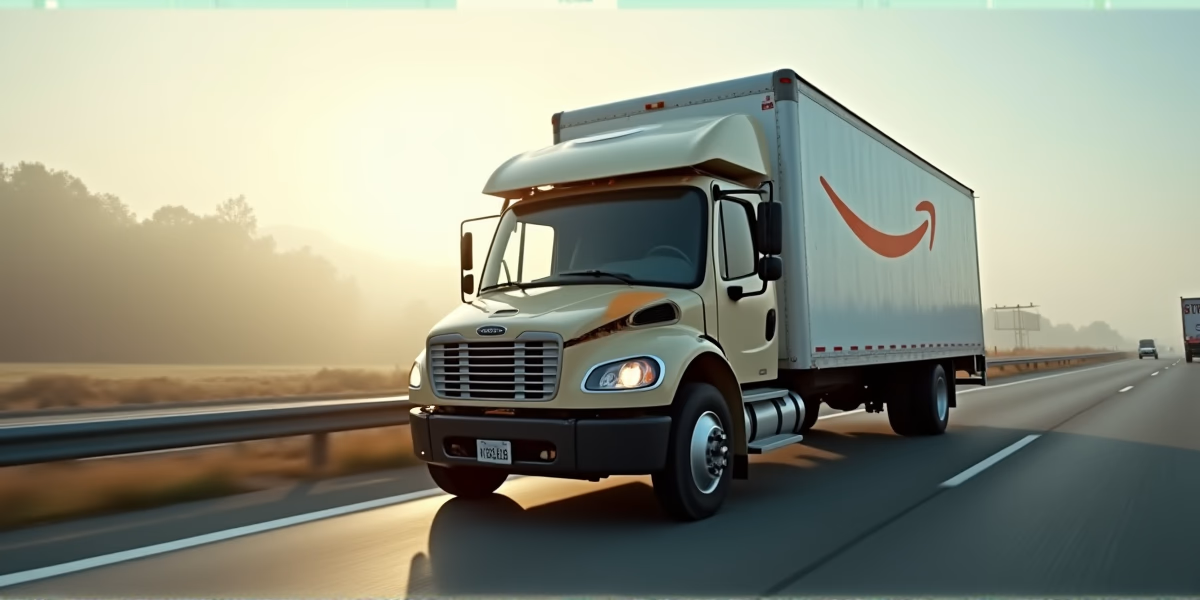
Determining the employment status of the driver is a common point of contention in truck accident cases. The trucking company may claim the driver was an independent contractor to avoid liability. However, California’s ‘ABC test’ determines if a delivery driver (Amazon/Fedex) is an employee or contractor. Even if labeled a ‘contractor,’ a company may be liable if they exercise control over the driver’s work, a key factor in San Diego delivery truck litigation.
The ‘ABC test’ considers factors such as who controls the driver’s schedule, provides the equipment, and dictates the manner in which the work is performed. If the trucking company exerts significant control over these aspects, the driver may be legally considered an employee, making the company directly liable for their actions. This is a complex legal issue that requires careful investigation and analysis.
Don’t rely on the trucking company’s assertion of independent contractor status. An experienced attorney can thoroughly investigate the driver’s relationship with the company and determine the appropriate course of action.
What damages can I recover in a truck accident claim?
The damages you can recover in a truck accident claim are comprehensive and designed to compensate you for all your losses. This includes medical expenses (past and future), lost wages, property damage, and pain and suffering. In severe cases, you may also be entitled to compensation for permanent disability, disfigurement, and loss of enjoyment of life.
Calculating the full extent of your damages requires a thorough assessment of your medical condition, earning capacity, and the impact the accident has had on your quality of life. Future medical expenses and lost wages often require expert testimony from economists and medical professionals. Furthermore, if the accident resulted in the death of a loved one, you may be entitled to pursue a wrongful death claim, seeking compensation for financial support, funeral expenses, and the loss of companionship.
It’s crucial to work with an attorney who understands the complexities of damage calculation and can effectively present your claim to the insurance company.
What role does the trucking company’s insurance policy play?
Trucking companies are required to carry significant insurance coverage to cover potential accidents. However, navigating the insurance policy landscape can be challenging. There are often multiple policies involved – primary liability, cargo insurance, and potentially umbrella policies. Understanding the limits of each policy and how they interact is crucial to maximizing your recovery.
The insurance company will likely attempt to minimize their payout by arguing that your injuries are less severe than they are, or that you were partially at fault for the accident. They may also attempt to deny your claim altogether. It’s essential to have an attorney who is familiar with the tactics used by trucking insurance companies and can effectively advocate for your rights.
Furthermore, an attorney can investigate whether the trucking company has a history of safety violations or negligent hiring practices, which can strengthen your claim and increase your chances of a favorable settlement.
What should I do if the insurance adjuster asks me to give a recorded statement?
Insurance adjusters often request recorded statements early in the claims process. While they may present it as a friendly attempt to gather information, it’s almost always in their best interest, not yours. Do not give a recorded statement without first consulting with an attorney.
Adjusters are trained to ask leading questions designed to elicit information that can be used to devalue or deny your claim. They may attempt to downplay your injuries, challenge your credibility, or obtain admissions that contradict your version of events. A recorded statement can be used against you in negotiations or at trial.
Politely decline the request for a recorded statement and refer the adjuster to your attorney. Your attorney can handle all communication with the insurance company on your behalf, protecting your rights and ensuring that you receive a fair settlement.
What happens if I have medical liens after a truck accident?
Medical liens are claims placed on your settlement or judgment by healthcare providers who have treated you for injuries sustained in the accident. These liens ensure that they are compensated for their services. Dealing with medical liens can be complex, as the amount of the lien may not reflect the actual value of the treatment you received. ER billing vs. medical liens can also be a point of contention, as emergency room bills are often inflated compared to the actual cost of care.
An experienced attorney can negotiate with healthcare providers to reduce the amount of the lien, often leveraging the fact that they may not be able to recover the full amount if you pursue litigation. They can also ensure that the lien is properly allocated and that you are not responsible for paying unreasonable or excessive charges.
It’s crucial to understand your rights and options regarding medical liens, as failing to address them properly can significantly reduce your net recovery.
What is the deadline for filing a claim against a government entity if the accident involved a hazardous road condition?
If a truck accident involves a government-owned vehicle or a dangerous road condition maintained by a public entity, a formal administrative claim MUST** be presented within **6 months** (180 days). Failure to meet this strict deadline under the Government Tort Claims Act can result in the permanent loss of your right to recover.
This deadline is significantly shorter than the two-year statute of limitations for typical truck accident cases. The claim must be detailed and supported by evidence, including police reports, witness statements, and medical records. It’s crucial to consult with an attorney as soon as possible to ensure that the claim is properly prepared and filed within the required timeframe.
The government entity will investigate the claim and may deny it outright. If your claim is denied, you may have the option to pursue litigation, but you must do so within a specific timeframe after the denial.
What if the insurance company offers me a policy limits tender?
A policy limits tender is an offer from the insurance company to settle your claim for the maximum amount of their policy coverage. While it may seem like a generous offer, it’s important to carefully consider whether it adequately compensates you for all your losses. Policy limits tenders (primary and excess layers)** can be complex, especially in cases involving multiple insurance policies.
Before accepting a policy limits tender, your attorney can assess the full extent of your damages and determine whether additional coverage is available from other sources, such as an umbrella policy or the trucking company’s assets. They can also negotiate with the insurance company to increase the offer, potentially uncovering hidden coverage or identifying other responsible parties.
It’s crucial to understand that accepting a policy limits tender releases the insurance company from any further liability, so it’s essential to make an informed decision based on a thorough evaluation of your case.
How does comparative fault affect my truck accident claim?
California’s ‘pure’ comparative fault system applies to trucking claims. Even if a truck driver argues you shared responsibility, you can still recover damages; however, your total compensation will be reduced by your percentage of fault. Comparative fault tactics** are common in truck accident cases, as the insurance company may attempt to blame you for the accident to minimize their payout.
The insurance company may argue that you were speeding, distracted, or failed to yield the right-of-way. They may also attempt to present evidence that your vehicle was improperly maintained or that you were not wearing a seatbelt. It’s crucial to have an attorney who can investigate the accident thoroughly and challenge any claims of comparative fault.
Your attorney can gather evidence to demonstrate that the truck driver was solely responsible for the accident, or that your degree of fault was minimal. They can also present arguments to mitigate your fault, potentially reducing the impact on your recovery.
What is UM/UIM coverage and how does it apply to truck accident claims?
UM/UIM coverage, or Uninsured/Underinsured Motorist coverage, protects you if you are injured by an uninsured or underinsured driver. In truck accident cases, this coverage can be particularly important if the truck driver does not have sufficient insurance to cover your damages. UM/UIM arbitration procedures (insured’s own policy)** can be complex and require a thorough understanding of the insurance policy language.
If the truck driver is uninsured or underinsured, you can file a claim against your own insurance policy to recover compensation for your injuries. However, the insurance company may attempt to deny or undervalue your claim. It’s crucial to have an attorney who is familiar with UM/UIM claims and can effectively advocate for your rights.
Your attorney can navigate the arbitration process, present evidence to support your claim, and ensure that you receive a fair settlement.
How important is evidence preservation in a truck accident case?
Evidence preservation is critical in a truck accident case, as the insurance company will likely attempt to destroy or alter evidence that could be detrimental to their defense. Evidence preservation and documentation timelines (spoliation letters, data overwrite windows)** are crucial to consider, as electronic data can be overwritten quickly.
A spoliation letter, formally requesting preservation of evidence, should be sent immediately to all relevant parties, including the trucking company, the driver, and any witnesses. This letter requires them to preserve all relevant documents, photos, videos, and data, including ELD data, EDR data, and maintenance records. Failure to preserve evidence can result in sanctions and a negative inference at trial.
Your attorney can ensure that all necessary evidence is preserved and that the insurance company is held accountable for any spoliation of evidence.