What Should I Do After A Truck Accident On I 5?

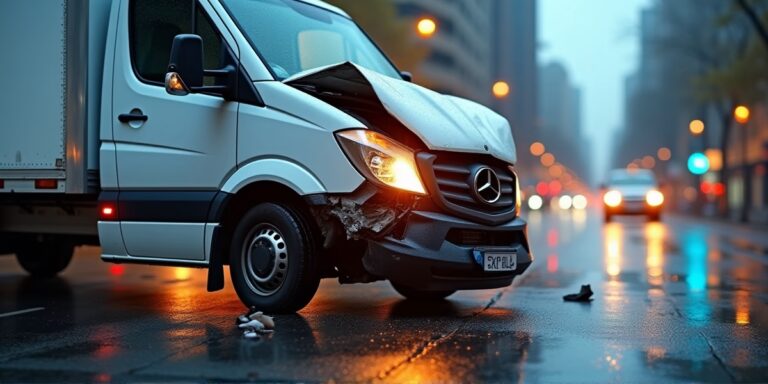
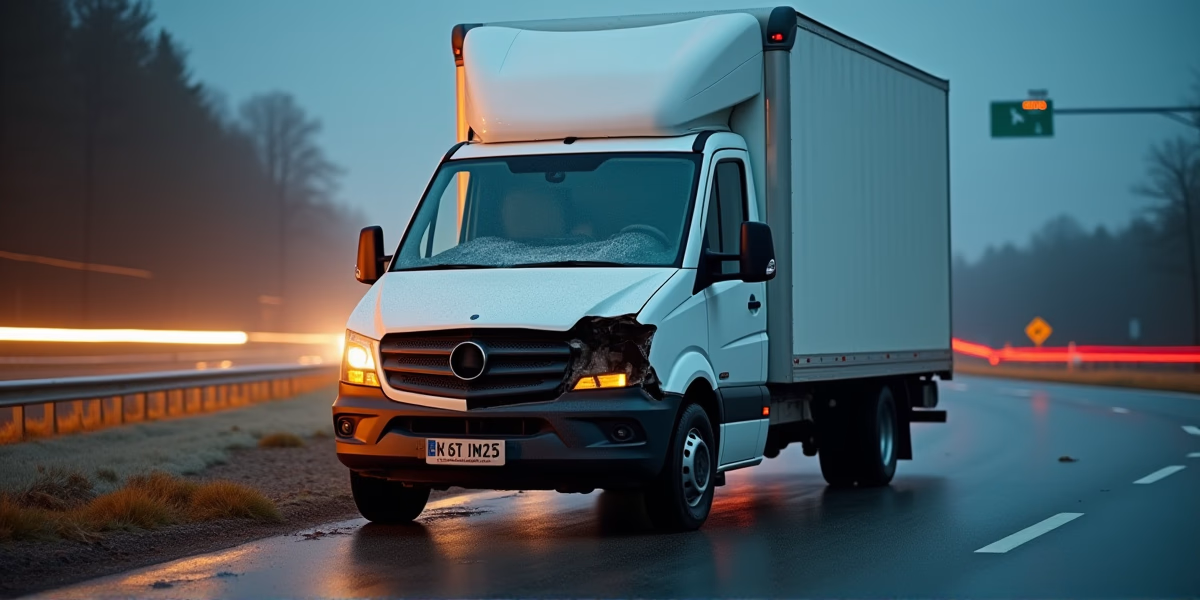
The aftermath of a truck accident is chaotic. Adrenaline is pumping, and it’s easy to make mistakes that can jeopardize your claim. The first thing to remember is to prioritize your safety. If possible, move your vehicle to a safe location away from traffic. Call 911 to report the accident and request medical assistance, even if you don’t *feel* seriously injured. Many injuries, like whiplash or internal bleeding, don’t manifest immediately.
Document everything. Use your smartphone to take photos of the damage to all vehicles involved, the accident scene, and any visible injuries. Get the truck driver’s information, including their license, registration, and insurance details. Crucially, note the truck’s license plate number and the name of the trucking company. Don’t admit fault to anyone, not even the police. Your statements can be used against you later.
I’ve been a personal injury attorney in San Diego for over 13 years, and I’ve seen firsthand how insurance companies attempt to minimize payouts and deny legitimate claims. I was trained by a former insurance defense attorney, giving me intimate knowledge of how they evaluate, devalue, and deny claims. This experience allows me to anticipate their tactics and build a strong case on your behalf.
What are the biggest challenges in pursuing a claim against a trucking company?
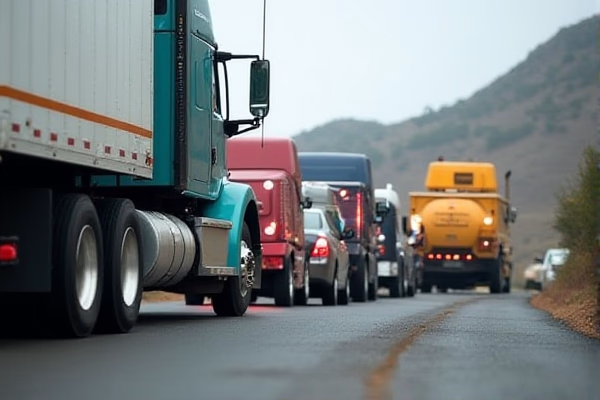
Trucking claims are significantly more complex than typical car accident cases. There are federal regulations governing driver hours, vehicle maintenance, and cargo securement. Establishing liability often requires a thorough investigation, including reviewing the driver’s logbooks, maintenance records, and the truck’s Electronic Logging Device (ELD) data.
Another challenge is dealing with the sheer size and resources of trucking companies. They have dedicated legal teams and insurance adjusters whose job is to protect their bottom line. They will often attempt to downplay the severity of your injuries or argue that you were at fault.
Finally, there are often multiple parties involved – the driver, the trucking company, the cargo owner, and potentially the truck manufacturer. Identifying all responsible parties is essential to maximizing your recovery.
How quickly do I need to take action after a truck accident?
Time is of the essence. In California, you have a **two-year** window from the date of the truck accident to file a lawsuit. Because trucking companies often begin evidence destruction (like purging ELD data) as soon as the law allows, immediate filing is critical to preserve the integrity of the claim.
However, don’t delay seeking legal counsel. An attorney can immediately investigate the accident, gather evidence, and notify all responsible parties. Waiting too long can result in crucial evidence being lost or destroyed, weakening your case.
What types of damages can I recover in a truck accident claim?
You may be entitled to recover a wide range of damages, including medical expenses (past and future), lost wages, pain and suffering, property damage, and even emotional distress. In some cases, you may also be able to recover punitive damages if the truck driver or trucking company acted with gross negligence.
Calculating the full extent of your damages can be complex, especially when dealing with long-term injuries or permanent disabilities. An experienced attorney can help you accurately assess your losses and fight for the maximum compensation you deserve.
What if the truck driver was working for a delivery company like Amazon or FedEx?
Determining the employment status of the driver is crucial. Was the driver an employee or an independent contractor? California’s ‘ABC test’ determines if a delivery driver (Amazon/FedEx) is an employee or contractor. Even if labeled a ‘contractor,’ a company may be liable if they exercise control over the driver’s work, a key factor in San Diego delivery truck litigation.
If the driver was an employee, the delivery company is likely liable for their negligence under the doctrine of vicarious liability. However, if the driver was an independent contractor, establishing liability can be more challenging.
What should I expect during the claims process with a trucking company’s insurance?
Expect a fight. Trucking insurance companies are notorious for their aggressive tactics. They will likely request a recorded statement, attempt to minimize your injuries, and scrutinize your medical records. It’s crucial to avoid giving a recorded statement without first consulting with an attorney.
They may also attempt to settle your claim quickly for a low amount. Don’t accept any settlement offer until you have fully assessed your damages and understand your legal rights. An attorney can handle all communications with the insurance company on your behalf, protecting your interests and ensuring you receive a fair settlement.
What if the accident was caused by a government vehicle or a dangerous road condition?
If a truck accident involves a government-owned vehicle or a dangerous road condition maintained by a public entity, a formal administrative claim **MUST** be presented within **6 months** (180 days). Failure to meet this strict deadline under the Government Tort Claims Act can result in the permanent loss of your right to recover.
These claims are often complex and require specific documentation and procedures. It’s essential to consult with an attorney immediately to ensure your claim is properly filed and processed.
What if the truck driver was speeding or violated other traffic laws?
In California, commercial trucks (including semi-tractors with three or more axles) are strictly prohibited from exceeding **55 miles per hour** on any highway. In San Diego freeway crashes, proving a violation of this speed limit is a primary tool for establishing statutory negligence.
Obtaining the truck’s speed data from the ELD can be critical. Additionally, police reports, witness statements, and dashcam footage can provide evidence of traffic violations.
What if I suspect the trucking company failed to properly maintain the vehicle?
Commercial vehicles are subject to rigorous safety and inspection regulations. Failure to maintain brakes, tires, or lighting systems according to California’s commercial vehicle safety framework can be used to establish direct liability against the carrier for ‘negligent maintenance’.
An attorney can investigate the truck’s maintenance records and potentially hire an expert to inspect the vehicle for safety defects.
What if the truck driver was intoxicated or under the influence of drugs?
The legal BAC limit for commercial drivers in California is **0.04 percent**. This stricter standard reflects the higher duty of care required of those operating heavy machinery on San Diego roads.
If the driver was intoxicated, it can significantly increase the value of your claim. Evidence of intoxication may include police reports, blood alcohol tests, and witness statements.