What Should I Do After A Truck Crash In Chula Vista?

The immediate aftermath of a truck crash can be overwhelming. It’s crucial to understand your rights and take specific steps to protect your claim. Unlike a collision with another passenger vehicle, truck accidents often involve multiple parties – the driver, the trucking company, the owner of the truck, and potentially even the manufacturer of faulty parts. This complexity demands a strategic approach, and that’s where experienced legal counsel becomes essential.
One of the first things I advise my clients to do is secure the scene, if possible, and call 911 to report the accident. Documenting the crash site with photos and videos is also critical. However, be extremely cautious about what you say to the other driver or their insurance representative. Insurance companies are skilled at minimizing payouts, and any statement you make can be used against you later. Focus on getting medical attention and then contacting an attorney specializing in truck accident litigation.
I’ve been practicing personal injury law in San Diego for over 13 years, and I was trained by a former insurance defense attorney. This unique background gives me intimate knowledge of how insurance companies evaluate, devalue, and deny claims. I understand their tactics and know how to build a strong case to maximize your recovery. I’ve seen firsthand how they attempt to shift blame, downplay injuries, and delay the process, and I’m prepared to fight for your rights every step of the way.
What types of evidence are important in a Chula Vista truck accident case?
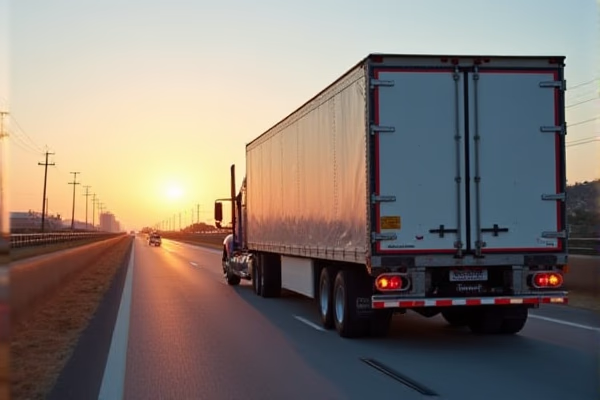
Gathering comprehensive evidence is paramount in a truck accident claim. This goes beyond the typical police report and witness statements. We focus on obtaining the truck driver’s logs, which document their hours of service to determine if fatigue was a factor. Electronic Logging Device (ELD) data is often crucial, as it provides a precise record of driving activity. We also investigate the truck’s maintenance records to identify any pre-existing mechanical issues. Furthermore, we’ll examine the driver’s cell phone records to see if distracted driving played a role. Finally, we’ll look for any dashcam footage from the truck or nearby vehicles.
In many cases, the truck itself will be inspected by a qualified mechanic to identify any defects or violations of federal safety regulations. This inspection can reveal critical evidence of negligence, such as faulty brakes, worn tires, or inadequate lighting. We also work with accident reconstruction experts to analyze the crash dynamics and determine the cause of the collision. The more evidence we gather, the stronger our case will be.
What is the statute of limitations for filing a truck accident lawsuit in California?
In California, you have a limited time to file a lawsuit after a truck accident. According to CCP § 335.1, you generally have **two years** from the date of the truck accident to initiate legal proceedings. Because trucking companies often begin evidence destruction (like purging ELD data) as soon as the law allows, immediate filing is critical to preserve the integrity of the claim.
It’s important to note that the statute of limitations can be complex, especially in cases involving government entities or multiple parties. If the accident involved a government-owned vehicle or a dangerous road condition, the filing deadline may be significantly shorter. Don’t delay seeking legal advice, as missing the statute of limitations can result in the permanent loss of your right to recover compensation.
Can I recover damages for lost wages and future medical expenses?
Absolutely. In a truck accident case, you are entitled to compensation for all of your damages, including both economic and non-economic losses. Economic damages encompass quantifiable expenses such as medical bills, lost wages, and property damage. We work with financial experts to project your future medical expenses and lost earning capacity, ensuring that your claim accurately reflects the full extent of your financial hardship.
Non-economic damages, on the other hand, are more subjective and include compensation for pain and suffering, emotional distress, and loss of enjoyment of life. These damages are often more difficult to quantify, but we have a proven track record of successfully recovering significant amounts for our clients. We’ll meticulously document your injuries, treatment, and the impact the accident has had on your daily life to build a compelling case for maximum compensation.
What if the trucking company claims their driver wasn’t at fault?
It’s common for trucking companies to deny liability or attempt to shift blame onto the other driver. They may argue that the accident was caused by your negligence, mechanical failure, or an unforeseen event. However, we are prepared to thoroughly investigate the accident and challenge their claims. We’ll examine all available evidence, including police reports, witness statements, and the truck’s data recorder, to establish the driver’s negligence.
Under the doctrine of **vicarious liability** (respondeat superior), a principal is responsible to third persons for the negligence of their agent in the transaction of business. This holds the trucking company legally liable for the wrongful acts of its drivers committed within the scope of their employment. We’ll leverage this legal principle to hold the trucking company accountable for the driver’s actions and ensure you receive the compensation you deserve.
What should I do if the insurance company asks me to give a recorded statement?
I strongly advise against giving a recorded statement to the insurance company without first consulting with an attorney. Insurance adjusters are trained to ask leading questions designed to minimize their liability and devalue your claim. They may try to trick you into making statements that contradict your version of events or undermine your case.
- Politely decline the request: You have no obligation to provide a statement.
- Refer them to your attorney: Let the insurance company know that all communication should go through your legal counsel.
- Document the request: Keep a record of the date, time, and name of the adjuster who requested the statement.
What if I have medical liens that need to be resolved after my settlement?
Medical liens are common in truck accident cases, especially when you’ve received extensive treatment. A medical lien is a legal claim against your settlement proceeds to cover the cost of your medical care. We have extensive experience negotiating with healthcare providers and lienholders to reduce the amount of your liens and ensure you receive the maximum possible recovery. We’ll carefully review all of your medical bills and liens to identify any discrepancies or overcharges.
In some cases, we may be able to negotiate a reduction in the lien amount through a process called mediation. We’ll also explore options for resolving liens through Medicare or Medi-Cal subrogation, if applicable. Our goal is to protect your settlement proceeds and ensure you’re not burdened with excessive medical debt.
What is the process for filing a claim against a government entity after a truck accident?
If a truck accident involves a government-owned vehicle or a dangerous road condition maintained by a public entity, the claims process is different than a typical truck accident case. According to Gov. Code § 911.2, a formal administrative claim **MUST** be presented within **6 months** (180 days). Failure to meet this strict deadline under the Government Tort Claims Act can result in the permanent loss of your right to recover.
The administrative claim must be detailed and include all relevant information about the accident, your injuries, and your damages. We have experience preparing and filing these claims on behalf of our clients, ensuring that all requirements are met and your claim is properly documented. We understand the complexities of the Government Tort Claims Act and will navigate the process on your behalf.
What if the insurance company makes a policy limits tender early in the case?
A policy limits tender is an offer from the insurance company to settle your claim for the maximum amount of their insurance policy. While it may seem like a generous offer, it’s important to carefully consider whether it adequately compensates you for all of your damages. Accepting a policy limits tender releases the insurance company from any further liability, so it’s crucial to make an informed decision.
We’ll thoroughly evaluate your case and determine if the policy limits are sufficient to cover your medical expenses, lost wages, pain and suffering, and other damages. If the policy limits are inadequate, we’ll explore options for pursuing additional coverage from other sources, such as an umbrella policy or the trucking company’s commercial insurance. We’ll also investigate whether the driver was engaged in any negligent conduct that would justify a claim for punitive damages.
How can dashcam footage and digital evidence help my truck accident claim in San Diego?
Dashcam footage and other digital evidence can be invaluable in proving liability in a truck accident case. Dashcam videos provide a visual record of the accident, which can help establish the driver’s negligence and corroborate your version of events. We’ll work to obtain any available dashcam footage from the truck, nearby vehicles, or traffic cameras.
- Electronic Control Module (ECM) Data: This data recorder captures critical information about the truck’s speed, braking, and other operational parameters.
- Electronic Logging Device (ELD) Data: This data provides a record of the driver’s hours of service, which can help determine if fatigue was a factor.
- Cell Phone Records: We’ll subpoena the driver’s cell phone records to see if they were distracted at the time of the accident.
Preserving this digital evidence is crucial, as it can be easily overwritten or destroyed. We’ll immediately send a spoliation letter to the trucking company demanding that they preserve all relevant data and evidence.
What is UM/UIM coverage and how does it apply to my truck accident claim?
UM/UIM stands for Uninsured/Underinsured Motorist coverage. This coverage protects you if you’re injured by an uninsured or underinsured driver. Even if the truck driver has insurance, their policy limits may not be sufficient to cover all of your damages. In this case, you can make a claim under your own UM/UIM policy.
The arbitration procedures for UM/UIM claims can be complex. We have extensive experience handling these claims and will guide you through the process. We’ll prepare a comprehensive arbitration brief and present a compelling case to the arbitrator, maximizing your chances of a favorable outcome.
Why is it important to preserve evidence and documentation after a truck accident?
Evidence preservation is critical in any truck accident case, but especially in cases involving commercial vehicles. Trucking companies often have policies in place for evidence destruction, and they may begin purging data as soon as the law allows. We’ll immediately send a spoliation letter to the trucking company demanding that they preserve all relevant evidence, including the truck’s data recorder, maintenance records, and driver logs.
We’ll also advise you on preserving your own evidence, such as photos of the accident scene, medical records, and witness statements. The sooner we take action to preserve evidence, the stronger our case will be. Failure to preserve evidence can result in the loss of critical information and undermine your ability to recover compensation.