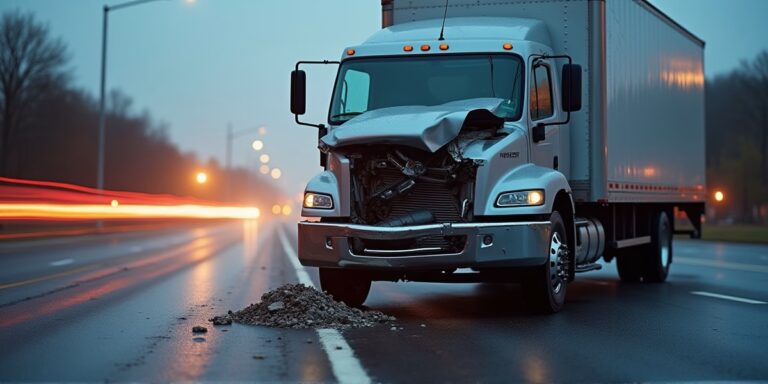
Who Can File A Wrongful Death Claim After A Truck Crash?

Determining who can file a wrongful death claim in California after a truck crash is a complex legal question. It’s not as simple as just the immediate family. The law specifically outlines an order of priority for those eligible to pursue a claim, and understanding this order is crucial to protecting your rights. Failing to file correctly, or by the wrong party, can jeopardize your ability to recover the full compensation you deserve.
The process begins with identifying the “heirs” and “beneficiaries” as defined by California probate law. This isn’t always straightforward, especially in cases involving blended families, unmarried partners, or dependent children. A thorough investigation into Noah’s estate and relationships is essential to ensure all potential claimants are identified and their rights are preserved. We’ve seen cases where distant relatives, unaware of their eligibility, missed critical deadlines, resulting in a significant loss of potential recovery.
I’ve been practicing personal injury law in San Diego for over 13 years, and I’ve seen firsthand how devastating truck accidents can be. I was trained by a former insurance defense attorney, giving me intimate knowledge of how insurance companies evaluate, devalue, and deny claims. This experience allows me to anticipate their tactics and build a strong case on behalf of my clients, ensuring they receive the maximum compensation possible.
What is the order of priority for filing a wrongful death claim?
California law establishes a specific hierarchy for those who can bring a wrongful death action. First in line are the deceased’s surviving spouse, children, and parents. If there is a surviving spouse but no children, the spouse has the primary right to file. If there’s a surviving spouse and children, they can file jointly or individually. If there is no surviving spouse or children, the parents can file. Beyond these immediate family members, other individuals may be eligible, including siblings, grandparents, and even domestic partners, but their ability to file is subject to stricter criteria.
It’s important to note that only one wrongful death lawsuit can be filed. If multiple family members are eligible, they typically need to agree on who will be the representative plaintiff. Disputes can arise, particularly when there are complex family dynamics, making it even more critical to have experienced legal counsel guiding the process. We often facilitate these discussions to ensure a unified and effective legal strategy.
The timeline for filing is also critical. California law provides a **two-year** window from the date of the truck accident to file a lawsuit. Because trucking companies often begin evidence destruction (like purging ELD data) as soon as the law allows, immediate filing is critical to preserve the integrity of the claim.
Can a domestic partner file a wrongful death claim?
Yes, a registered domestic partner generally has the same rights as a surviving spouse to file a wrongful death claim in California. However, the registration of the domestic partnership must be valid and legally recognized at the time of the accident. The documentation proving the partnership is crucial, and any questions regarding its validity can be challenged by the insurance company.
We’ve handled cases where the insurance company attempted to dispute the validity of a domestic partnership, arguing technicalities in the registration process. A thorough review of the partnership documentation and a strong legal argument were necessary to overcome their objections and ensure our client’s rights were protected. This highlights the importance of having an attorney familiar with California’s domestic partnership laws.
What if the deceased had no immediate family?
If the deceased had no surviving spouse, children, or parents, the right to file a wrongful death claim can pass to siblings, grandparents, or other close relatives. However, the process becomes more complex, requiring a more extensive probate investigation to establish the heir’s legal right to pursue the claim. The court may need to appoint an administrator to represent the estate.
In these situations, it’s even more critical to have an attorney experienced in probate law and wrongful death litigation. We’ve successfully navigated these complex cases, ensuring that the rightful heirs receive the compensation they deserve, even in the absence of immediate family. The process can be time-consuming and require significant legal expertise.
What types of damages can be recovered in a wrongful death claim?
Wrongful death claims allow for the recovery of a wide range of damages, including economic losses such as lost future earnings, medical expenses, and funeral costs. However, they also allow for the recovery of non-economic damages, such as loss of companionship, guidance, and emotional support. Calculating these non-economic damages can be challenging, requiring a compelling presentation of the deceased’s life and the impact of their loss on their loved ones.
We work with economists and other experts to quantify the economic losses and develop a persuasive narrative that demonstrates the full extent of the emotional and psychological harm suffered by the surviving family members. This often involves gathering testimony from friends, family, and colleagues to paint a complete picture of the deceased’s life and the void left by their passing.
How does workers’ compensation affect a wrongful death claim?
If the deceased was a commercial truck driver, workers’ compensation benefits may be available to their family. However, workers’ compensation is generally the **exclusive remedy** against the employer. Separate personal injury claims are typically limited to **negligent third parties** who are not the employer. This means you can pursue a claim against the truck driver, the trucking company, or other responsible parties, but not directly against the employer unless there is evidence of intentional wrongdoing.
Determining whether a third-party claim exists requires a thorough investigation into the cause of the accident. We’ve successfully pursued third-party claims in cases where the truck driver was negligent, the trucking company failed to properly maintain its vehicles, or another driver contributed to the accident. It’s crucial to have an attorney experienced in both workers’ compensation and wrongful death litigation to navigate these complex legal issues.
What if the truck driver was intoxicated?
If the truck driver was under the influence of alcohol or drugs at the time of the accident, it can significantly strengthen a wrongful death claim. California law imposes stricter penalties for DUI offenses, and the legal BAC limit for commercial drivers in California is **0.04 percent**. This stricter standard reflects the higher duty of care required of those operating heavy machinery on San Diego roads.
Evidence of intoxication, such as police reports, blood alcohol tests, and witness testimony, can be used to establish negligence and potentially punitive damages. We work closely with law enforcement and accident reconstruction experts to gather this evidence and build a strong case against the responsible parties. The presence of intoxication often leads to a more favorable settlement or jury verdict.
What if the truck company was negligent in hiring or training the driver?
A trucking company is directly liable if it was negligent in hiring, supervising, or retaining an unfit driver. This is critical in cases where the driver has a history of FMCSA violations or lacked the proper CDL endorsements. This often involves uncovering the driver’s employment history, training records, and any prior safety violations.
We’ve successfully pursued claims against trucking companies based on negligent hiring practices, demonstrating that they failed to conduct adequate background checks or ignored red flags in the driver’s record. This highlights the importance of a thorough investigation into the trucking company’s hiring and training procedures.
What if the accident involved a government vehicle or roadway defect?
If a truck accident involves a government-owned vehicle or a dangerous road condition maintained by a public entity, a formal administrative claim **MUST** be presented within **6 months** (180 days). Failure to meet this strict deadline under the Government Tort Claims Act can result in the permanent loss of your right to recover. This claim must be properly documented and presented to the appropriate government agency.
We have extensive experience handling claims against government entities, ensuring that all necessary documentation is filed correctly and within the required timeframe. This often involves navigating complex bureaucratic procedures and working with government attorneys to negotiate a fair settlement.
What if the trucking company attempts to limit their liability through policy limits tenders?
Insurance companies often attempt to settle claims quickly for the amount of their policy limits, hoping to avoid a costly trial. However, accepting a policy limits tender may prevent you from recovering the full compensation you deserve, especially if the damages exceed the policy limits. It’s crucial to understand your rights and options before accepting any settlement offer.
We carefully evaluate the full extent of your damages and advise our clients on whether to accept a policy limits tender or pursue litigation to recover additional compensation from other sources, such as the trucking company’s assets or other responsible parties. We are prepared to take your case to trial if necessary to ensure you receive the maximum compensation possible.