What If The Driver Who Hit Me Has Minimum California Insurance Coverage?

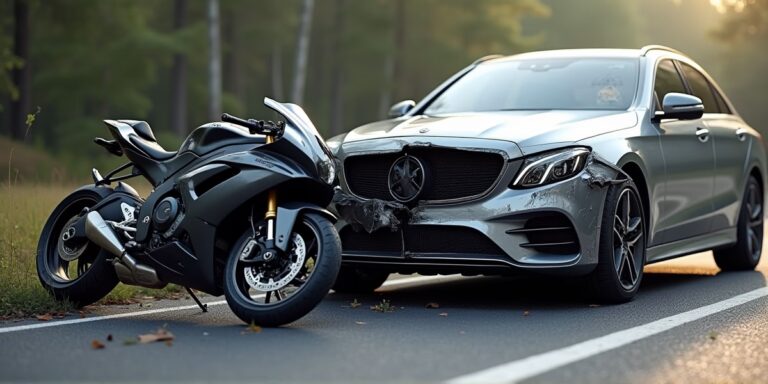
When the driver who hits you has minimal insurance coverage, it presents a serious challenge. The state of California requires all drivers to carry liability insurance, but the minimum limits are often woefully inadequate to cover the full extent of injuries and damages resulting from a motorcycle accident. This is especially true in cases involving severe injuries, lost wages, and long-term care needs. Don’t assume that the $10,000 or $20,000 limit is all you can recover. There are several avenues to explore to maximize your compensation.
The first step is to thoroughly investigate all potential sources of recovery. This includes not only the at-fault driver’s insurance policy but also your own insurance coverage. Many motorcyclists are unaware that their own auto insurance policies often include Uninsured Motorist (UM) and Underinsured Motorist (UIM) coverage. These provisions are designed to protect you when you’re hit by a driver with insufficient insurance.
I’ve been practicing personal injury law in San Diego for over 13 years, and I’ve seen countless cases where minimum insurance limits are simply not enough. I was trained by a former insurance defense attorney, giving me intimate knowledge of how insurance companies evaluate, devalue, and deny claims. This experience allows me to anticipate their tactics and build a strong case on your behalf. We understand how to navigate the complexities of insurance claims and fight for the full compensation you deserve.
What is Uninsured Motorist (UM) Coverage and How Does it Help?
Uninsured Motorist (UM) coverage kicks in when you’re hit by a driver who has no insurance at all. Even in California, where insurance is mandatory, some drivers illegally operate vehicles without coverage. UM coverage provides financial protection in these situations, essentially stepping into the shoes of the uninsured driver to compensate you for your injuries and damages. The limits of your UM coverage will determine the maximum amount you can recover.
It’s crucial to review your own insurance policy to determine if you have UM coverage and what the coverage limits are. If you have UM coverage, you’ll file a claim with your own insurance company. They will investigate the accident and, if your claim is approved, pay you up to the policy limits.
What is Underinsured Motorist (UIM) Coverage and How Does it Apply?
Underinsured Motorist (UIM) coverage comes into play when the at-fault driver has insurance, but the policy limits are insufficient to cover your damages. As in Bryce’s case, where the driver only had minimum coverage, UIM coverage can bridge the gap between the insurance payout and your total losses. You would first need to settle with the at-fault driver’s insurance company for the policy limits, and then make a claim with your own insurance carrier for the remaining amount, up to your UIM coverage limits.
Can I Sue the Driver Personally if Their Insurance Isn’t Enough?
Yes, you can sue the at-fault driver personally for the damages that exceed their insurance coverage. However, it’s important to understand that recovering money from a driver’s personal assets can be challenging. You’ll need to prove the driver was negligent and that their negligence caused your injuries. Even then, if the driver has limited assets, it may be difficult to collect a substantial judgment. Civ. Code § 1714 dictates California’s ‘pure’ comparative fault system, meaning you can recover damages even if you shared some responsibility, but your compensation will be reduced accordingly.
What Types of Damages Can I Recover in a Motorcycle Accident Claim?
You are entitled to recover a wide range of damages in a motorcycle accident claim, including medical expenses (past and future), lost wages, pain and suffering, emotional distress, property damage, and loss of enjoyment of life. In severe cases, you may also be able to recover punitive damages if the driver’s conduct was particularly reckless or negligent. CACI No. 3905A outlines the standards for recovering non-economic damages like pain and suffering.
What if the Accident Involved a Government Vehicle or Road Hazard?
If the accident involved a government-owned vehicle or a dangerous road condition like potholes or poorly marked construction zones, the process becomes more complex. You’ll need to file a formal administrative claim with the government agency within a strict timeframe. Gov. Code § 911.2 requires a claim be presented within **6 months** (180 days) of the incident. Failure to meet this deadline can result in the permanent loss of your right to recover.
What Should I Do if the Insurance Company is Delaying or Denying My Claim?
Insurance companies often employ delay and stalling tactics to minimize payouts. They may request extensive documentation, question your medical treatment, or dispute the extent of your injuries. If you’re experiencing delays or a denial, it’s crucial to consult with an attorney who can advocate on your behalf and fight for your rights. We can help you gather evidence, negotiate with the insurance company, and, if necessary, file a lawsuit to protect your interests.
How Important is Documentation and Evidence Preservation?
Documentation is critical in any motorcycle accident claim. This includes police reports, medical records, witness statements, photos of the accident scene, and any other evidence that supports your claim. It’s also important to preserve any digital evidence, such as dashcam footage or data from the motorcycle’s event data recorder (EDR). CCP § 335.1 emphasizes the importance of timely filing to preserve evidence, as crash scene details can disappear quickly.
What if I Was Wearing a Helmet? Does That Affect My Claim?
California is a universal helmet law state, requiring all riders to wear DOT-approved helmets. While a violation may be used by defense counsel to argue for a reduction in damages via comparative fault—specifically regarding head or neck injuries—it does not bar a rider from seeking recovery for other injuries. CVC § 27803 details the helmet requirements.
What is the Statute of Limitations for Filing a Motorcycle Accident Lawsuit in California?
California law provides a **two-year** window from the date of the motorcycle accident to file a lawsuit for personal injury. Because evidence at a crash scene—such as skid marks or GoPro footage—can disappear quickly, immediate filing is critical to preserve the integrity of the claim.