
What Happens If My Motorcycle Was Recalled Before The Accident?

When a motorcycle is subject to a recall, it means the manufacturer has determined a safety defect exists that could pose a risk to riders. This recall doesn’t automatically mean the manufacturer is liable for an accident, but it does introduce a critical layer of complexity to any resulting injury claim. Understanding your rights and how a recall impacts your case is paramount. The recall notice will specify the defect, the remedy (typically a repair), and the steps owners should take to address the issue. It’s crucial to determine if the defect was related to the cause of the accident and whether the recall repair had been completed prior to the collision.
The legal implications of a motorcycle recall in an accident case hinge on several factors. Was the defect a known issue before the accident? Had you been notified of the recall and given a reasonable opportunity to have the repair performed? If the defect directly caused or contributed to the accident, the manufacturer could be held liable, even if the other driver was also at fault. This is because manufacturers have a duty to design and produce reasonably safe products. A failure to do so, and subsequent failure to adequately address a known defect through a recall, can lead to significant legal consequences.
I’ve been practicing personal injury law in San Diego for over 13 years, and I’ve seen firsthand how insurance companies attempt to minimize their exposure in recall-related cases. Trained by a former insurance defense attorney, I have intimate knowledge of how they evaluate, devalue, and deny claims. They will often focus on whether the recall repair was completed, attempting to shift blame to the rider if it wasn’t. However, even if the repair was pending, you may still have a valid claim, particularly if the manufacturer was slow to issue the recall or failed to adequately notify owners.
What evidence should I gather if my motorcycle was recalled before an accident?
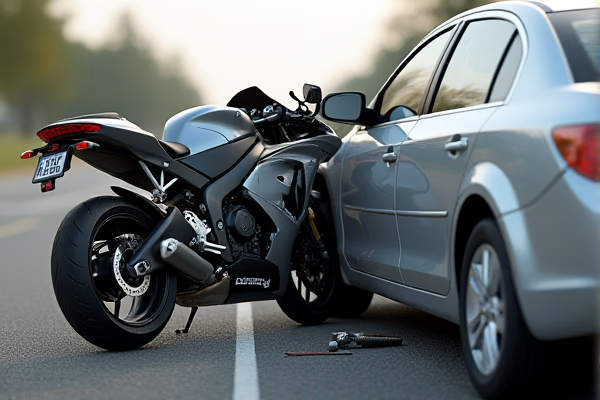
If your motorcycle was subject to a recall before an accident, meticulous evidence gathering is essential. This includes a copy of the recall notice, any communication you had with the manufacturer or dealership regarding the recall, and documentation of any attempts to schedule or complete the repair. Keep records of dates, times, and names of anyone you spoke with. Photographs of the motorcycle damage, the accident scene, and any visible defects are also crucial. Finally, preserve any data from the motorcycle’s computer (ECM/EDR) that might indicate the defect played a role in the crash.
It’s also important to document the extent of your injuries and related medical expenses. Keep detailed records of all treatment, therapy, and lost wages. A comprehensive understanding of your damages is critical to building a strong claim. Don’t underestimate the importance of preserving all documentation, even seemingly insignificant details, as they could prove vital in establishing liability.
Can I sue both the other driver and the motorcycle manufacturer?
In many cases, yes. If the other driver’s negligence caused or contributed to the accident, you can pursue a claim against them. Additionally, if the motorcycle recall played a role, you may have a separate claim against the manufacturer under product liability laws. These claims are often pursued concurrently, allowing you to seek maximum compensation for your injuries. It’s important to note that pursuing claims against multiple parties can be complex, requiring a thorough understanding of both negligence and product liability principles.
What if the recall repair was pending at the time of the accident?
Even if the recall repair was pending, you may still have a valid claim against the manufacturer. The key question is whether the manufacturer provided you with a reasonable opportunity to have the repair completed. Factors considered include the availability of appointments, the location of dealerships, and the urgency of the recall. If the manufacturer was slow to issue the recall or failed to adequately notify owners, this could strengthen your case. Insurance companies will often argue that your failure to complete the repair constitutes negligence, but a skilled attorney can effectively counter these arguments.
How does California’s comparative fault rule apply to recall-related motorcycle accidents?
California operates under a ‘pure’ comparative fault system, meaning you can recover damages even if you were partially at fault for the accident. However, your total compensation will be reduced by your percentage of fault. In a recall-related case, the insurance company may argue that your failure to address the recall contributed to the accident, reducing your recovery. It’s crucial to establish that the defect was a significant contributing factor and that you took reasonable steps to address the recall, even if the repair wasn’t completed at the time of the crash. Civ. Code § 1714 governs this process.
What is the statute of limitations for filing a motorcycle accident claim in California?
In California, you generally have **two years** from the date of the motorcycle accident to file a lawsuit for personal injury. Because evidence at a crash scene—such as skid marks or GoPro footage—can disappear quickly, immediate filing is critical to preserve the integrity of the claim. However, product liability claims, such as those involving a motorcycle recall, may have different statutes of limitations. It’s essential to consult with an attorney as soon as possible to ensure you don’t miss any critical deadlines. CCP § 335.1 outlines these timeframes.