What If I Developed Ptsd After My Motorcycle Accident?

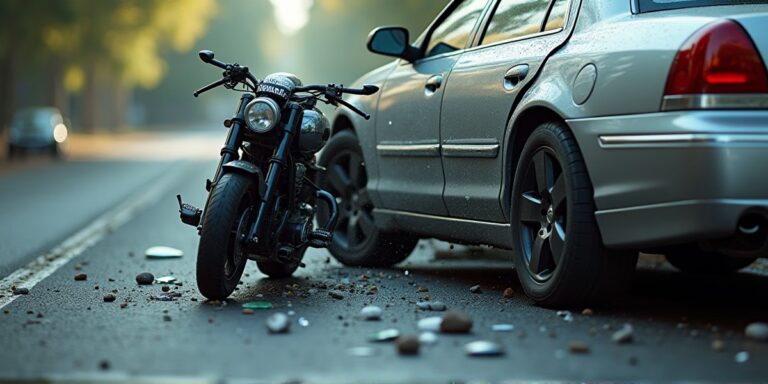
Motorcycle accidents are uniquely traumatic events. The vulnerability of riding a motorcycle—exposed to the elements and with little physical protection—often leads to severe psychological injuries, even in seemingly “minor” collisions. PTSD is a very real and debilitating consequence of these accidents, and it’s crucial to understand your rights and how to pursue full compensation for both your physical and emotional suffering.
One of the biggest challenges in these cases is proving the connection between the accident and your PTSD. Insurance companies are notorious for downplaying or outright denying these claims, often attributing symptoms to pre-existing conditions or simply labeling them as “stress.” That’s where experienced legal counsel is vital. We’ve spent over 13 years fighting for the rights of injured motorcyclists in San Diego, and I’ve been specifically trained by former insurance defense attorneys, giving me intimate knowledge of how they evaluate, devalue, and deny claims. I understand the tactics they use and how to build a compelling case that demonstrates the direct link between the accident and your PTSD.
Can I Recover Damages for PTSD After a Motorcycle Accident?
Yes, absolutely. California law allows you to recover damages for all injuries resulting from a motorcycle accident, including emotional trauma like PTSD. These damages, known as non-economic damages, compensate you for the pain, suffering, emotional distress, and loss of enjoyment of life caused by the accident. However, proving these damages requires a strong foundation of medical evidence and a clear understanding of the legal standards.
To successfully recover damages for PTSD, you’ll need to establish a causal link between the accident and your condition. This typically involves medical documentation, such as diagnoses from qualified mental health professionals, therapy records, and expert testimony. It’s also important to document the impact of your PTSD on your daily life, including any limitations in your ability to work, socialize, or engage in activities you once enjoyed.
Furthermore, the severity of your PTSD will directly impact the value of your claim. Factors such as the intensity of your symptoms, the duration of your treatment, and the extent to which your PTSD interferes with your life will all be considered by the insurance company and, if necessary, a jury.
What Kind of Evidence Do I Need to Prove My PTSD Claim?
Gathering comprehensive evidence is paramount to building a successful PTSD claim. This includes:
- Medical Records: Documentation from your primary care physician, psychiatrists, psychologists, and therapists detailing your diagnosis, treatment plan, and progress.
- Accident Report: The official police report documenting the details of the collision.
- Witness Statements: Statements from anyone who witnessed the accident or observed your behavior afterward.
- Personal Journal: A detailed record of your symptoms, thoughts, and feelings following the accident.
- Employment Records: Documentation of any lost wages or reduced earning capacity due to your PTSD.
In addition to these documents, expert testimony from a qualified mental health professional can be invaluable in establishing the causal link between the accident and your PTSD. They can provide an objective assessment of your condition and explain how the accident likely contributed to your symptoms.
How Long Do I Have to File a Claim for PTSD After a Motorcycle Accident?
In California, you generally have **two years** from the date of the motorcycle accident to file a lawsuit for personal injury. Because evidence at a crash scene—such as skid marks or GoPro footage—can disappear quickly, immediate filing is critical to preserve the integrity of the claim. CCP § 335.1. Waiting too long can result in the loss of your legal rights, even if your PTSD symptoms don’t fully manifest until months or years after the accident.
It’s important to note that the statute of limitations can be complex, and there may be exceptions to the two-year rule. For example, if the at-fault driver fled the scene or is uninsured, the timeline may be different. Consulting with an attorney as soon as possible after the accident is the best way to ensure you don’t miss any critical deadlines.
What if the Insurance Company Claims My PTSD is Pre-Existing?
Insurance companies often attempt to deny PTSD claims by arguing that the symptoms are pre-existing or unrelated to the accident. They may request your medical history or attempt to find evidence of prior mental health issues. However, this doesn’t automatically disqualify you from recovering damages.
California law allows you to recover damages for the aggravation of a pre-existing condition. This means that even if you had some underlying anxiety or depression before the accident, you can still recover compensation for the worsening of your symptoms as a result of the collision. The key is to demonstrate that the accident significantly exacerbated your pre-existing condition and caused you additional pain, suffering, and limitations.
We will thoroughly review your medical history and work with qualified medical experts to establish the causal link between the accident and your PTSD, even if you had pre-existing conditions. We’ll build a strong case that proves the accident was a substantial factor in causing your current symptoms.
What Role Does Lane Splitting Play in PTSD Claims?
Lane splitting, while legal in California, can sometimes complicate PTSD claims. Insurance companies may argue that the rider assumed a greater risk by lane splitting and that their PTSD was caused by the inherent dangers of the maneuver. However, this argument is often unfounded.
California law formally recognizes lane splitting as legal, defined as driving a motorcycle between rows of stopped or moving vehicles in the same lane. In accident litigation, proving that the maneuver was performed ‘in a safe and prudent manner’ is essential to rebutting claims of rider negligence. CVC § 21658.1. If the accident was caused by the negligence of another driver—such as speeding, distracted driving, or failing to yield the right-of-way—you are still entitled to recover damages for your injuries, including PTSD, regardless of whether you were lane splitting.
We will investigate the accident thoroughly and gather evidence to demonstrate that the at-fault driver was responsible for the collision, regardless of your lane splitting status. We’ll also work to establish that you were operating your motorcycle safely and prudently at the time of the accident.
What if I Gave a Recorded Statement to the Insurance Company After the Accident?
Insurance companies often request recorded statements from accident victims shortly after a collision. While you are not legally required to provide a statement, doing so can sometimes be detrimental to your claim. Insurance adjusters are trained to ask leading questions and elicit information that can be used to downplay your injuries or deny your claim.
If you have already given a recorded statement, it’s crucial to have an attorney review it before proceeding with your claim. We can identify any inconsistencies or misleading statements that the insurance company may use against you. We can also advise you on how to address any potential issues raised by the statement.
Going forward, it’s best to avoid giving any further statements to the insurance company without first consulting with an attorney. Let us handle all communications with the insurance company on your behalf, ensuring that your rights are protected.
What Happens if I Have Medical Liens After My Motorcycle Accident?
Medical liens are claims placed on your settlement by healthcare providers who have treated you for injuries sustained in the accident. These liens represent the amount of money you owe for medical services. Dealing with medical liens can be complex, as the amount of the lien may not be the full amount of your medical bills.
California law limits the amount a health insurance company or medical provider can claim from your settlement via a lien. These ‘anti-subrogation’ protections ensure that the injured rider retains a fair portion of their recovery after medical bills are addressed. Civ. Code § 3040. We will negotiate with healthcare providers to reduce the amount of your liens and ensure that you are not responsible for paying unreasonable amounts.
We have extensive experience negotiating with medical providers and insurance companies to resolve medical lien issues and maximize your recovery.
What if the Government Was Responsible for the Road Hazard That Caused My Accident?
If a motorcycle accident involves a government-owned vehicle or a dangerous road condition like loose gravel, potholes, or poorly marked construction zones, a formal administrative claim **MUST** be presented within **6 months** (180 days). Failure to meet this strict deadline under the Government Tort Claims Act can result in the permanent loss of your right to recover. Gov. Code § 911.2. These claims are often complex and require specific documentation and procedures.
We have extensive experience handling claims against government entities and will ensure that your claim is properly filed and documented to maximize your chances of success.
What if the At-Fault Driver Only Has Minimum Insurance Coverage?
If the at-fault driver only has minimum insurance coverage, it may not be enough to fully compensate you for your injuries, including PTSD. In this situation, you may be able to pursue a claim under your own Uninsured Motorist (UM) coverage.
California law requires insurers to offer Uninsured Motorist (UM) and Underinsured Motorist (UIM) coverage. For motorcyclists hit by a driver with minimum or no insurance, this coverage allows you to recover damages directly from your own policy up to your selected limits. Ins. Code § 11580.2. We will thoroughly review your insurance policy and explore all available options to ensure you receive the full compensation you deserve.
We will fight to protect your rights and maximize your recovery, even if the at-fault driver has limited insurance coverage.