What If I Suffer Wrist Fractures From Bracing During Impact?

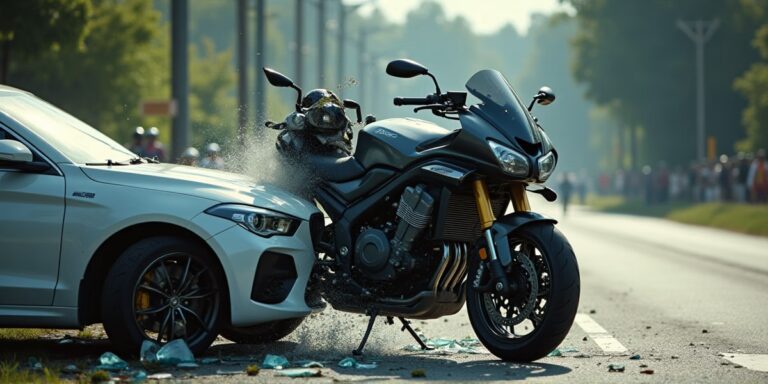
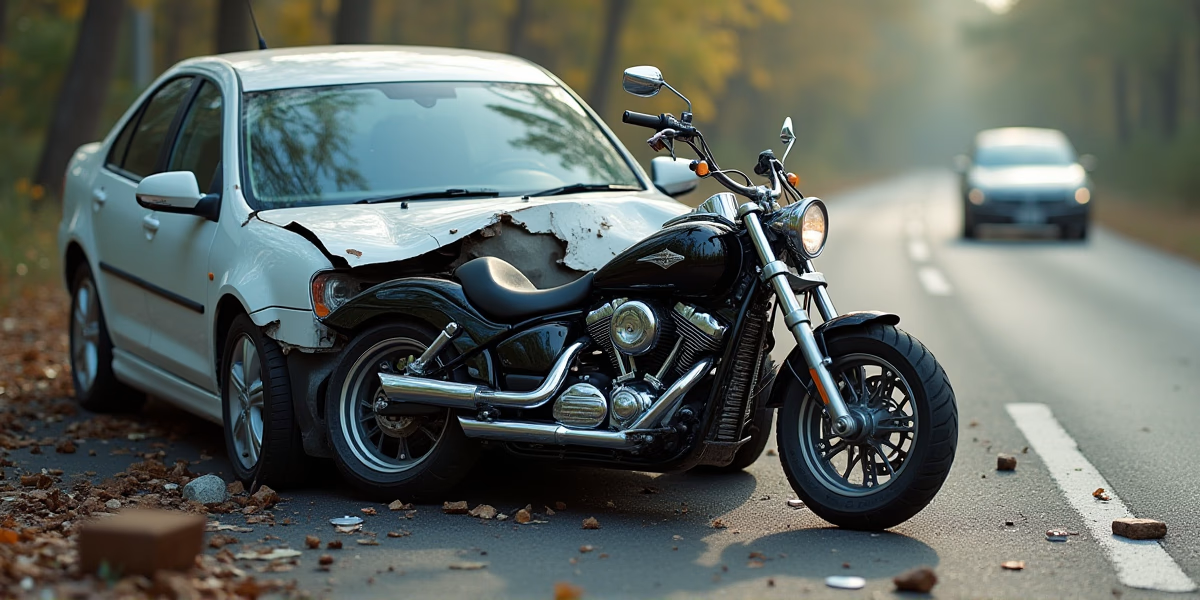
Wrist fractures sustained while bracing for impact in a motorcycle accident present unique challenges in personal injury claims. Insurance companies often attempt to minimize the extent of these injuries, arguing that the fractures were a result of the rider’s own actions rather than the negligence of the other driver. However, this is a common misconception. The natural human response to an unavoidable collision is to brace, and injuries resulting from that protective action are absolutely compensable.
The key to successfully pursuing a claim in these situations lies in establishing a clear link between the driver’s negligence and the wrist fracture. This requires thorough documentation of the accident scene, witness statements, and, most importantly, expert medical testimony. A qualified orthopedic surgeon can explain how the bracing mechanism exacerbated the injury and why it was a reasonable response given the circumstances. It’s also crucial to demonstrate the long-term impact of the fracture, including any permanent limitations, pain, and suffering.
As a personal injury attorney with over 13 years of experience practicing in San Diego, I’ve seen firsthand how insurance companies undervalue these types of injuries. I was trained by a former insurance defense attorney, giving me intimate knowledge of how insurance companies evaluate, devalue, and deny claims. They often focus on pre-existing conditions or attempt to portray the rider as taking unnecessary risks. That’s why it’s essential to have an advocate who understands their tactics and can build a strong case on your behalf.
Can I still recover damages if I was partially at fault for the accident?
California’s ‘pure’ comparative fault system applies to motorcycle claims. Even if a driver argues you shared responsibility due to speed or positioning, you can still recover damages; however, your total compensation will be reduced by your percentage of fault. The percentage of fault is determined by a judge or jury, and it can range from 0% to 100%. It’s crucial to have a thorough investigation of the accident to establish the other driver’s negligence and minimize any claims of your own contributory fault.
Evidence such as dashcam footage, police reports, and witness statements can be invaluable in proving your case and reducing your percentage of fault. A skilled attorney will analyze all available evidence and present a compelling argument to demonstrate the other driver’s primary responsibility for the collision.
What is the deadline for filing a lawsuit after a motorcycle accident in California?
California law provides a **two-year** window from the date of the motorcycle accident to file a lawsuit for personal injury. Because evidence at a crash scene—such as skid marks or GoPro footage—can disappear quickly, immediate filing is critical to preserve the integrity of the claim. It’s important to note that this statute of limitations applies to most motorcycle accident cases, but exceptions may exist, especially if a government entity was involved.
Waiting until the last minute to file a lawsuit can jeopardize your claim. Insurance companies may be less willing to negotiate a fair settlement if the statute of limitations is looming, and crucial evidence may be lost or unavailable. It’s always best to consult with an attorney as soon as possible after an accident to ensure your rights are protected.
How does lane splitting affect my claim if I was injured while lane splitting?
California law formally recognizes lane splitting as legal, defined as driving a motorcycle between rows of stopped or moving vehicles in the same lane. In accident litigation, proving that the maneuver was performed ‘in a safe and prudent manner’ is essential to rebutting claims of rider negligence. The defense will often attempt to portray lane splitting as inherently dangerous and argue that the rider assumed the risk of collision.
To successfully pursue a claim while lane splitting, it’s important to demonstrate that you were operating your motorcycle responsibly and within the bounds of the law. This may involve providing evidence of your speed, the traffic conditions, and the other driver’s actions that contributed to the accident.
What if the at-fault driver was operating a borrowed vehicle?
A vehicle owner is liable if they permit an unfit or incompetent driver to operate their car, leading to a collision with a motorcyclist. This is a vital tool for recovery when the at-fault driver was operating a vehicle borrowed from a friend or family member. This is known as negligent entrustment, and it opens up an additional avenue for recovery beyond the driver’s insurance policy.
To prove negligent entrustment, it’s necessary to demonstrate that the vehicle owner knew or should have known that the driver was incompetent or unfit to operate the vehicle. This may involve evidence of prior accidents, traffic violations, or other factors that indicate the driver’s lack of skill or judgment.
What should I do if the insurance company asks me to give a recorded statement?
Insurance companies often request recorded statements from claimants shortly after an accident. While you are not legally obligated to provide a statement, doing so can be detrimental to your claim. Insurance adjusters are trained to ask leading questions and elicit information that can be used to minimize your damages.
It’s always best to decline a recorded statement and consult with an attorney before speaking with the insurance company. An attorney can advise you on what information to share and protect you from making statements that could harm your case. They can also handle all communication with the insurance company on your behalf.