What If My Motorcycle Accident Happened On A Freeway Like I 5 Or I 8?

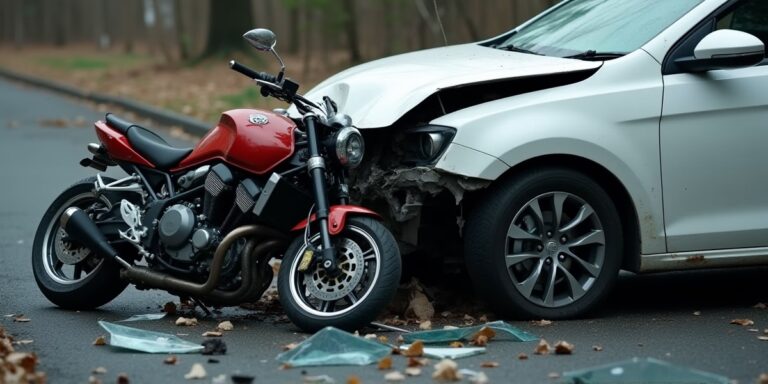
Motorcycle accidents on freeways present unique challenges. The high speeds, complex lane changes, and sheer volume of traffic can make determining fault incredibly difficult. Unlike a typical intersection collision, the evidence at a freeway crash scene—such as skid marks or GoPro footage—can disappear quickly, making immediate action critical to preserve the integrity of the claim. Moreover, the potential for serious injuries is significantly higher, leading to substantial medical expenses and lost income.
One of the biggest hurdles is often navigating the California Highway Patrol (CHP) investigation. While the CHP will create an accident report, it’s not always comprehensive or conclusive. Insurance companies frequently rely on these reports to minimize their payouts, and it’s crucial to conduct an independent investigation to gather all relevant evidence. This includes obtaining witness statements, reviewing traffic camera footage, and consulting with accident reconstruction experts.
As a personal injury attorney with over 13 years of experience practicing in San Diego, I’ve handled countless motorcycle accident cases, including many on freeways like I-5 and I-8. I was trained by a former insurance defense attorney, giving me intimate knowledge of how insurance companies evaluate, devalue, and deny claims. I understand the tactics they use and how to effectively counter them to secure the maximum compensation for my clients.
What is the Statute of Limitations for a Freeway Motorcycle Accident Claim?
California law provides a **two-year** window from the date of the motorcycle accident to file a lawsuit for personal injury. Because evidence at a crash scene—such as skid marks or GoPro footage—can disappear quickly, immediate filing is critical to preserve the integrity of the claim. Waiting too long can jeopardize your ability to recover damages, even if the other driver was clearly at fault.
It’s important to note that the two-year statute of limitations begins to run from the date of the *injury*, not necessarily the date of the accident. This can be particularly relevant in freeway crashes where there may be a delay in discovering the full extent of your injuries.
What if the Accident Involved a Government Vehicle or Road Hazard?
If a motorcycle accident involves a government-owned vehicle or a dangerous road condition like loose gravel, potholes, or poorly marked construction zones, a formal administrative claim **MUST** be presented within **6 months** (180 days). Failure to meet this strict deadline under the Government Tort Claims Act can result in the permanent loss of your right to recover.
These claims are often complex and require specific documentation and procedures. It’s essential to consult with an attorney experienced in handling claims against government entities to ensure your claim is properly filed and processed.
How Does Lane Splitting Affect Liability in a Freeway Accident?
California law formally recognizes lane splitting as legal, defined as driving a motorcycle between rows of stopped or moving vehicles in the same lane. In accident litigation, proving that the maneuver was performed ‘in a safe and prudent manner’ is essential to rebutting claims of rider negligence.
Insurance companies often attempt to blame the rider for lane splitting accidents, arguing they acted recklessly or failed to exercise due care. Establishing that you were traveling at a reasonable speed, maintaining proper control of your motorcycle, and observing traffic conditions is crucial to defending against these claims.
What Role Does a Motorcycle Helmet Play in a Freeway Accident Claim?
California is a universal helmet law state, requiring all riders and passengers to wear a safety helmet that meets DOT standards. While a violation may be used by defense counsel to argue for a reduction in damages via comparative fault—specifically regarding head or neck injuries—it does not bar a rider from seeking recovery for other injuries caused by a negligent driver.
The defense will often try to portray the lack of a helmet as evidence of rider negligence, suggesting the injuries would have been less severe had a helmet been worn. However, California law does not allow for a complete bar to recovery based solely on a helmet violation.
What if the At-Fault Driver is Uninsured or Underinsured?
California law requires insurers to offer Uninsured Motorist (UM) and Underinsured Motorist (UIM) coverage. For motorcyclists hit by a driver with minimum or no insurance, this coverage allows you to recover damages directly from your own policy up to your selected limits.
It’s important to review your own insurance policy to understand the extent of your UM/UIM coverage. Even if you have minimal coverage, it can provide valuable protection in the event of an accident with an uninsured or underinsured driver.