How Do Insurance Companies Handle Truck Accident Claims In San Diego?

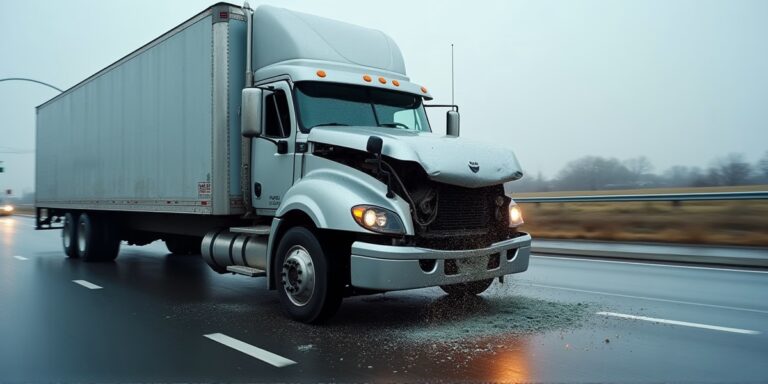
Truck accident claims are notoriously complex, especially when dealing with large insurance companies. They employ a variety of tactics to minimize payouts, and it’s crucial to understand how they operate to protect your rights. In San Diego, these claims often involve multiple parties – the driver, the trucking company, the owner of the truck (which may be different from the company), and potentially manufacturers of defective parts. Each entity has its own insurance policy, and navigating these layers can be overwhelming.
One of the first things an insurance adjuster will do is investigate the accident. This investigation isn’t about determining the truth; it’s about building a defense for their client. They’ll gather police reports, witness statements, and potentially hire their own accident reconstruction experts. Be extremely cautious about providing any recorded statements or signing any documents without first consulting with an attorney. Anything you say can and will be used against you, even if you believe you’re simply explaining what happened.
I’ve been practicing personal injury law in San Diego for over 13 years, and I’ve seen firsthand how insurance companies operate. Trained by a former insurance defense attorney, I have intimate knowledge of how they evaluate, devalue, and deny claims. This experience allows me to anticipate their strategies and build a strong case on your behalf.
What types of evidence do insurance companies look for in truck accident claims?
Insurance companies will meticulously examine any evidence available to determine liability and the extent of damages. This includes the police report, which details the accident circumstances and any citations issued. They’ll also request medical records to verify the nature and severity of your injuries, and potentially hire independent medical examiners to challenge your doctor’s opinions. Photographs of the accident scene, vehicle damage, and your injuries are critical. Furthermore, they will scrutinize any dashcam footage, Electronic Logging Device (ELD) data, and the driver’s logs to assess potential violations of federal Hours of Service regulations.
Don’t underestimate the importance of preserving evidence. If possible, document everything – photos, videos, witness contact information, and even your daily pain levels. The trucking company has a legal obligation to maintain certain records, but they are not obligated to share them with you directly. Your attorney can obtain this information through the discovery process.
Remember, the insurance company is looking for any reason to reduce or deny your claim. They may argue that you were partially at fault, that your injuries are not as severe as you claim, or that the truck driver was not negligent. It’s essential to have a legal advocate who can counter these arguments and protect your interests.
How long do I have to file a truck accident claim in California?
In California, the statute of limitations for personal injury claims is generally **two years** from the date of the accident. Because trucking companies often begin evidence destruction (like purging ELD data) as soon as the law allows, immediate filing is critical to preserve the integrity of the claim. This means you have a limited window to investigate the accident, gather evidence, and file a lawsuit. Waiting too long can result in the permanent loss of your right to recover compensation.
However, there are exceptions to this rule. If the accident involved a government-owned vehicle or a dangerous road condition maintained by a public entity, a formal administrative claim **MUST** be presented within **6 months** (180 days) under the Government Tort Claims Act. Failure to meet this strict deadline can result in the permanent loss of your right to recover.
It’s always best to consult with an attorney as soon as possible after a truck accident to ensure you understand your rights and deadlines.
What if the truck driver was working as an independent contractor?
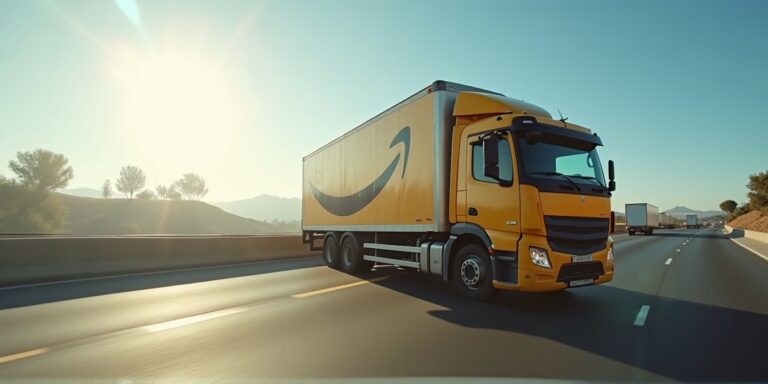
Determining whether a truck driver is an employee or an independent contractor can significantly impact your claim. California’s ‘ABC test’ determines if a delivery driver (Amazon/FedEx) is an employee or contractor. Even if labeled a ‘contractor,’ a company may be liable if they exercise control over the driver’s work, a key factor in San Diego delivery truck litigation. If the driver is classified as an employee, the trucking company is generally liable for their negligence under the doctrine of vicarious liability (respondeat superior).
However, if the driver is a true independent contractor, it can be more difficult to hold the company liable. Your attorney will need to investigate the driver’s relationship with the company to determine the extent of control they exercised over their work. This includes factors such as whether the company provided the truck, set the driver’s schedule, and dictated the routes they took.
This is a complex legal issue, and it’s crucial to have an attorney who understands the nuances of California employment law.
What if the trucking company claims the accident wasn’t their fault?
Trucking companies will often attempt to shift blame onto the other driver, even if they were clearly at fault. They may argue that you were speeding, distracted driving, or failed to yield the right-of-way. They’ll also scrutinize your driving record and look for any prior accidents or traffic violations. It’s essential to have an attorney who can investigate the accident independently and gather evidence to counter their claims.
This may involve hiring an accident reconstruction expert to analyze the accident scene and determine the cause of the crash. Your attorney can also subpoena witnesses and obtain dashcam footage to support your version of events.
Remember, the insurance company is not on your side. They are looking for any way to minimize their payout. It’s crucial to have a legal advocate who can protect your rights and fight for the compensation you deserve.
What damages can I recover in a truck accident claim?
If you’ve been injured in a truck accident, you may be entitled to recover a variety of damages, including medical expenses, lost wages, and pain and suffering. Medical expenses include all costs associated with your treatment, such as doctor’s visits, hospital bills, physical therapy, and medication. Lost wages cover any income you’ve lost as a result of your injuries, as well as any future lost earning capacity.
Pain and suffering is a more subjective damage that compensates you for the physical and emotional distress you’ve experienced as a result of the accident. This can include things like chronic pain, anxiety, depression, and loss of enjoyment of life. In some cases, you may also be able to recover punitive damages if the truck driver or company acted with gross negligence.
Calculating the full extent of your damages can be complex, and it’s essential to have an attorney who can accurately assess your losses and fight for the maximum compensation you deserve.
What should I do if an insurance adjuster asks me to give a recorded statement?
Insurance adjusters often request recorded statements early in the claims process. While it may seem harmless, giving a recorded statement can be detrimental to your claim. They are trained to ask leading questions designed to elicit information that can be used against you later. They may try to downplay your injuries or suggest that you were partially at fault.
Politely decline to give a recorded statement and refer them to your attorney. Your attorney can handle all communication with the insurance company on your behalf and ensure that your rights are protected.
It’s always best to err on the side of caution and avoid speaking with the insurance company directly without legal representation.
How does a medical lien affect my truck accident settlement?
If you received medical treatment for your injuries, the healthcare provider may place a medical lien on your settlement. This means they have a legal right to be paid from any money you recover in your claim. It’s important to understand the terms of the medical lien and negotiate with the provider to reduce the amount owed. ER billing vs. medical liens can be a complex issue, as emergency room bills often have inflated charges.
Your attorney can help you navigate this process and ensure that the medical lien is properly resolved. They can also explore options for reducing the lien amount, such as negotiating a discount or pursuing a Medicare Advantage plan.
Don’t let a medical lien jeopardize your settlement.
What is the deadline for filing a claim against the government if the accident involved a public entity?
If a truck accident involves a government-owned vehicle or a dangerous road condition maintained by a public entity, a formal administrative claim **MUST** be presented within **6 months** (180 days). Failure to meet this strict deadline under the Government Tort Claims Act can result in the permanent loss of your right to recover. This is a significantly shorter deadline than the two-year statute of limitations for personal injury claims, so it’s crucial to act quickly.
Your attorney can help you prepare and file the administrative claim, ensuring that it meets all the necessary requirements. They can also represent you in any negotiations with the government entity.
Don’t delay in seeking legal representation if your accident involved a government vehicle or roadway.
What happens if the insurance company offers a policy limits tender?
A policy limits tender is an offer from the insurance company to settle your claim for the maximum amount of their policy. While it may seem like a generous offer, it’s important to carefully consider whether it’s enough to cover all of your damages. Policy limits tenders (primary and excess layers) often occur when the insurance company believes your claim is worth more than their policy limits.
Your attorney can evaluate the offer and advise you on whether to accept it or continue negotiating. They can also explore options for pursuing additional coverage from other sources, such as an umbrella policy or the trucking company’s assets.
Don’t settle for less than you deserve.
How can dashcam footage and other digital evidence help my truck accident claim?
Dashcam footage, telematics data, ECM/EDR (Engine Control Module/Event Data Recorder) information, and GPS records can be invaluable evidence in a truck accident claim. Dashcam footage can provide a clear and objective record of the accident, showing exactly what happened. Telematics data can reveal the driver’s speed, braking habits, and other critical information. ECM/EDR data can provide insights into the truck’s mechanical condition and any potential malfunctions.
Your attorney can subpoena this evidence and use it to support your claim. However, it’s important to act quickly, as this data can be overwritten or destroyed.
Evidence preservation and documentation timelines (spoliation letters, data overwrite windows) are critical in truck accident cases.
I have been practicing personal injury law in San Diego for over 13 years, and I understand the complexities of truck accident claims. I am committed to fighting for the compensation you deserve.