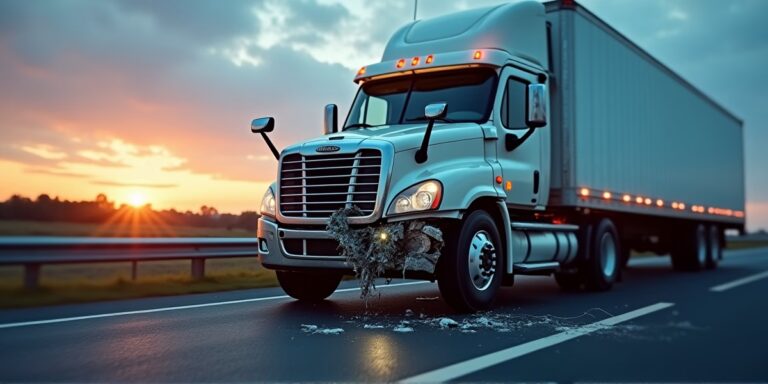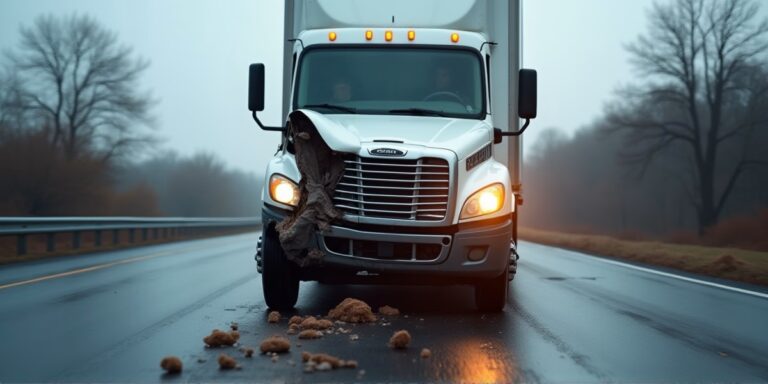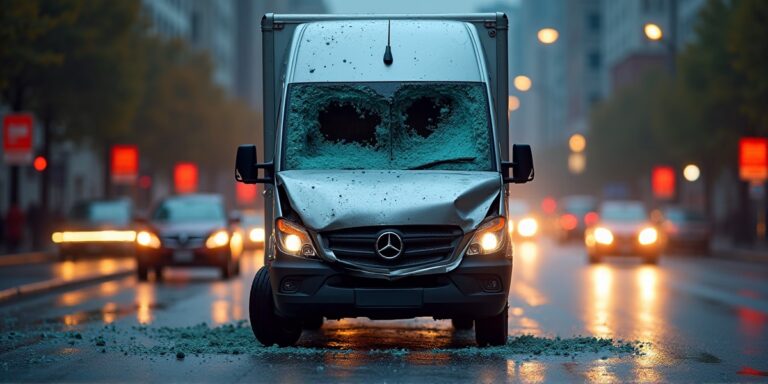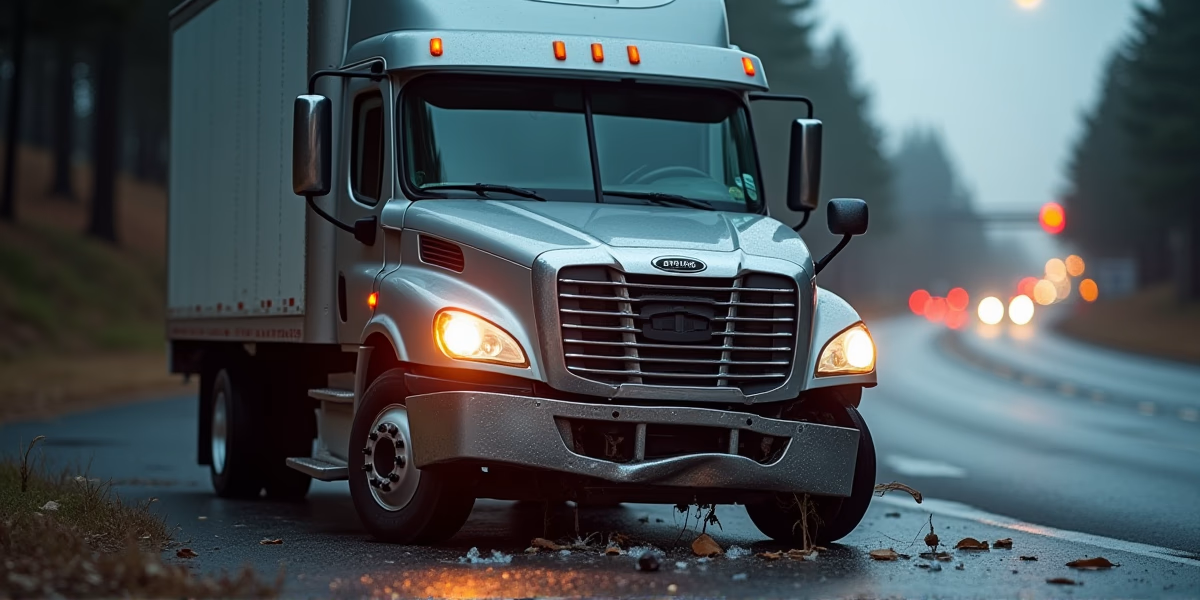
How Do Truck Accidents Happen In San Marcos?

Truck accidents in San Marcos, California, are often far more complex than typical car crashes. The sheer size and weight of commercial vehicles mean injuries are usually catastrophic, and determining liability can be a tangled web of regulations, company policies, and driver negligence. As a personal injury attorney practicing in San Diego for over 13 years, I’ve seen firsthand how insurance companies attempt to minimize payouts and shift blame in these cases. I was trained by former insurance defense attorneys, giving me intimate knowledge of how they evaluate, devalue, and deny claims.
One of the biggest challenges in San Marcos truck accident litigation is identifying all potential responsible parties. It’s not always just the driver at fault. The trucking company, the manufacturer of the truck or its parts, or even a loading company could share liability. A thorough investigation is crucial to uncover all contributing factors and ensure maximum compensation for your injuries.
What are the most common causes of truck accidents in San Marcos?
Several factors frequently contribute to truck accidents in the San Marcos area. Driver fatigue is a major issue, as federal regulations limit driving hours, but these rules are often violated. Distracted driving, whether from cell phone use or other distractions, is also a common cause. Mechanical failures, such as brake defects or tire blowouts, can lead to catastrophic accidents, especially when proper maintenance is neglected. Finally, improper cargo loading and securement can cause loads to shift, leading to loss of control.
The geography of San Marcos also plays a role. The hills and curves of State Route 78 and other local highways require experienced and attentive drivers. Trucks require significantly longer stopping distances than passenger vehicles, and drivers must be aware of these limitations, particularly in inclement weather or heavy traffic.
How does California law impact truck accident claims?
California law provides a **two-year** window from the date of the truck accident to file a lawsuit. Because trucking companies often begin evidence destruction (like purging ELD data) as soon as the law allows, immediate filing is critical to preserve the integrity of the claim. Furthermore, California’s ‘pure’ comparative fault system applies to trucking claims. Even if a truck driver argues you shared responsibility, you can still recover damages; however, your total compensation will be reduced by your percentage of fault.
Understanding the specific regulations governing commercial vehicles is essential. For example, in California, commercial trucks (including semi-tractors with three or more axles) are strictly prohibited from exceeding **55 miles per hour** on any highway. Proving a violation of this speed limit is a primary tool for establishing statutory negligence in San Diego freeway crashes.
What evidence is needed to build a strong truck accident case?
Gathering comprehensive evidence is paramount. This includes the police report, witness statements, photos and videos of the accident scene, and your medical records and bills. Crucially, obtaining the truck’s Electronic Logging Device (ELD) data is vital, as it reveals the driver’s hours of service and potential violations of federal regulations. Federal **Hours of Service (HOS)** regulations dictate exactly how long a driver can be behind the wheel. Violations of these federal safety standards, often proven through Electronic Logging Device (ELD) data, are used to demonstrate driver fatigue.
Additionally, securing the truck itself for inspection by a qualified expert is crucial. This expert can identify any mechanical defects or maintenance issues that contributed to the accident. Commercial vehicles are subject to rigorous safety and inspection regulations. Failure to maintain brakes, tires, or lighting systems according to California’s commercial vehicle safety framework can be used to establish direct liability against the carrier for ‘negligent maintenance’.
What if the truck driver was working for a company at the time of the accident?
In many cases, the truck driver is an employee of a trucking company. Under the doctrine of **vicarious liability** (respondeat superior), a principal is responsible to third persons for the negligence of their agent in the transaction of business. This holds the trucking company legally liable for the wrongful acts of its drivers committed within the scope of their employment. However, it’s not always straightforward. Determining whether a driver is an employee or an independent contractor is a complex legal issue, especially with the rise of gig economy delivery services.
California’s ‘ABC test’ determines if a delivery driver (Amazon/FedEx) is an employee or contractor. Even if labeled a ‘contractor,’ a company may be liable if they exercise control over the driver’s work, a key factor in San Diego delivery truck litigation. We often investigate the level of control the company exerted over the driver’s schedule, routes, and equipment.
What should I do if an insurance company contacts me after a truck accident?
It’s crucial to be cautious when dealing with insurance companies after a truck accident. They are primarily focused on minimizing their payouts, and they may attempt to record your statement or obtain information that could harm your claim. Do not provide any recorded statements to insurers without first consulting with an attorney. Insurance adjusters are trained to ask leading questions and downplay your injuries.
It’s best to politely decline to provide any information and refer them to your attorney. I have over 13 years of experience representing clients in San Diego, and I understand the tactics insurance companies use to devalue claims. I can handle all communications with the insurance company on your behalf, protecting your rights and ensuring you receive the compensation you deserve.
What is a recorded statement and why should I avoid giving one?
A recorded statement is exactly what it sounds like – a formal audio recording of you describing the accident and your injuries to an insurance representative. While it may seem harmless, insurance companies use these statements to identify inconsistencies, downplay your pain, and ultimately reduce your settlement offer. They are looking for any opportunity to challenge your credibility and limit their liability.
They will often ask questions designed to elicit admissions that could be detrimental to your case, such as minimizing the impact of the collision or downplaying your physical limitations. It’s best to avoid giving any recorded statements until you’ve spoken with an attorney who can advise you on your rights and prepare you for potential questioning.
What are medical liens and how do they affect my truck accident settlement?
Medical liens are legal claims placed on your settlement by healthcare providers who have treated you for injuries sustained in the truck accident. These liens ensure that they are compensated for their services, even if you settle your case with the insurance company. ER billing vs. medical liens can be confusing, as the initial emergency room bill may be significantly higher than the actual cost of treatment.
Negotiating these liens is a critical part of the settlement process. I have extensive experience working with healthcare providers to reduce lien amounts and ensure you receive the maximum possible recovery. It’s important to understand that you are ultimately responsible for paying these liens from your settlement proceeds.
What is the deadline for filing a claim against the government if a roadway defect caused the accident?
If a truck accident involves a government-owned vehicle or a dangerous road condition maintained by a public entity, a formal administrative claim **MUST** be presented within **6 months** (180 days). Failure to meet this strict deadline under the Government Tort Claims Act can result in the permanent loss of your right to recover. This is a significantly shorter timeframe than the two-year statute of limitations for general personal injury claims.
The claim must be detailed and supported by evidence, including police reports, witness statements, and medical records. I can assist you in preparing and filing this claim, ensuring it meets all the necessary requirements.
What is a policy limits tender and how does it impact my case?
A policy limits tender is an offer from the insurance company to settle your claim for the maximum amount of their policy coverage. While it may seem like a generous offer, it’s often a tactic to close your case quickly and avoid further litigation. Policy limits tenders (primary and excess layers) can be complex, especially when multiple insurance policies are involved.
It’s crucial to carefully evaluate whether the policy limits are sufficient to cover all of your damages, including medical expenses, lost wages, pain and suffering, and future care costs. I can help you assess the full value of your claim and negotiate a fair settlement with the insurance company.
How can dashcam footage and other digital evidence help my truck accident claim?
Dashcam footage, ECM/EDR data, ELD logs, and GPS information can be invaluable evidence in truck accident cases. Dashcam footage provides a visual record of the accident, often revealing the driver’s actions leading up to the collision. ECM/EDR (Event Data Recorder) data can provide information about the truck’s speed, braking, and other critical parameters. Dashcam / digital evidence (telematics, ECM/EDR, ELD, GPS) can be critical in establishing fault.
Preserving this evidence is essential, as it can be easily lost or destroyed. I can work with experts to retrieve and analyze this data, providing a strong foundation for your claim.