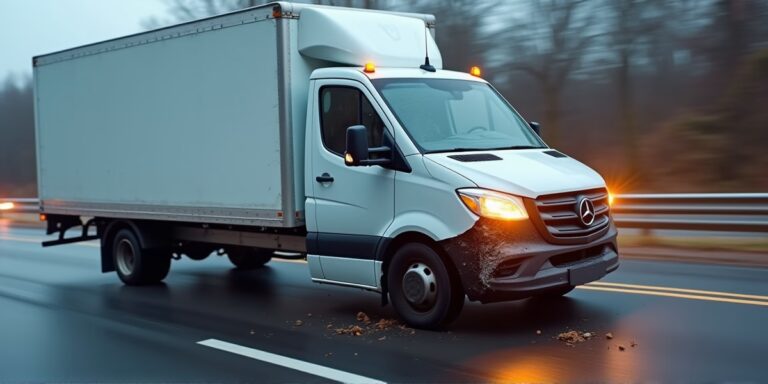
What Happens If Multiple Insurance Companies Are Involved In A Truck Crash?

When multiple insurance companies are involved in a truck crash, it immediately complicates the claims process. Unlike a typical car accident with a single insurer, you may be dealing with several different policies, each with its own coverage limits, adjusters, and legal strategies. This often leads to finger-pointing, delays, and attempts to minimize payouts. It’s crucial to understand how these policies interact and to have a legal advocate who can navigate the complexities on your behalf.
The first step is identifying all potentially liable insurance companies. This includes the trucking company’s primary liability policy, the trailer owner’s policy (if different), and potentially a motor carrier policy. There may also be policies covering cargo, or even umbrella policies providing additional coverage. Each company will likely investigate the accident independently, and their interests are rarely aligned with yours. They are all looking to protect their bottom line, and that often means reducing or denying your claim.
I’ve been practicing personal injury law in San Diego for over 13 years, and I’ve seen firsthand how insurance companies exploit these multi-party situations. Trained by a former insurance defense attorney, I have intimate knowledge of how they evaluate, devalue, and deny claims. My experience allows me to anticipate their tactics and build a strong case to maximize your recovery.
What types of insurance policies typically apply in a truck accident?
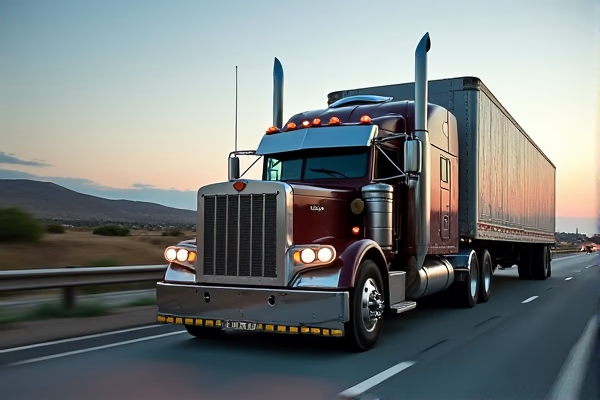
Several types of insurance policies can come into play after a truck accident. The most common include the trucking company’s primary liability insurance, which covers negligence in the operation of the vehicle. A motor carrier policy provides coverage for the trucking company’s overall operations, including safety compliance and driver qualifications. If the trailer is owned by a different entity, its insurance policy will also be relevant. Cargo insurance covers damage or loss of the freight being transported, but doesn’t typically address personal injuries.
It’s also important to consider potential umbrella policies, which provide excess coverage above the limits of the primary policies. These policies can be crucial in cases involving severe injuries and substantial damages. Determining which policies apply and the extent of coverage requires a thorough investigation of the trucking company’s operations and insurance documentation.
How do I file a claim when multiple insurance companies are involved?
Filing a claim with multiple insurance companies can be confusing. It’s generally best to start by notifying all potentially liable insurers of the accident and your intent to pursue a claim. However, avoid providing recorded statements or signing any documents without first consulting with an attorney. Insurance companies will often attempt to obtain statements that can be used to minimize their liability.
Each insurer will likely assign an adjuster to investigate your claim. Be prepared to provide detailed information about the accident, your injuries, and your damages. It’s crucial to document everything, including medical bills, lost wages, and any other expenses you’ve incurred. Remember, the adjusters represent the insurance companies, not you, and their goal is to settle your claim for the lowest possible amount.
What if the insurance companies disagree about who is at fault?
Disagreements about fault are common in truck accidents, especially when multiple parties are involved. Each insurance company will likely argue that their insured was not at fault, or that the other party bears primary responsibility. This can lead to a lengthy and complex negotiation process. In some cases, it may be necessary to file a lawsuit to resolve the dispute.
If a lawsuit is filed, the insurance companies will likely engage in discovery, which involves gathering evidence and taking depositions. This can be a time-consuming and expensive process, but it’s often necessary to build a strong case and protect your rights. An experienced attorney can guide you through the litigation process and advocate for your best interests.
What is subrogation and how does it affect my claim?
Subrogation is a legal process where an insurance company seeks to recover the money it paid out on your claim from the party responsible for the accident. In a truck accident with multiple insurers, subrogation can become particularly complex. For example, if your health insurance company pays your medical bills, they may have a right to recover those costs from the trucking company’s insurance policy. This can reduce the amount you ultimately receive from your claim.
It’s important to understand your subrogation rights and to protect them. An attorney can review your insurance policies and negotiate with the insurance companies to ensure that you receive the maximum possible recovery. They can also help you navigate the complex legal issues involved in subrogation claims.
How can an attorney help me navigate a multi-insurance truck accident claim?
Dealing with multiple insurance companies after a truck accident can be overwhelming. An experienced attorney can provide invaluable assistance by handling all aspects of your claim, including investigating the accident, gathering evidence, negotiating with insurers, and filing a lawsuit if necessary. They can also protect your rights and ensure that you receive the full compensation you deserve.
I understand the challenges you’re facing, and I’m committed to providing you with the aggressive and effective representation you need. If you’ve been injured in a truck accident in San Diego, contact my office today for a free consultation. We can discuss your case and explore your legal options.
What should I do if an insurance adjuster asks for a recorded statement?
Insurance adjusters often request recorded statements early in the claims process. While it may seem harmless, providing a statement can significantly harm your claim. Adjusters are trained to ask leading questions and identify inconsistencies that can be used to minimize your payout. It’s best to politely decline the request and consult with an attorney before providing any recorded statements.
An attorney can advise you on the best way to respond to the insurance company’s inquiries and protect your rights. They can also handle all communication with the insurers on your behalf, ensuring that you don’t inadvertently say something that could jeopardize your claim.
What is the deadline for filing a lawsuit after a truck accident in California?
California law provides a **two-year** window from the date of the truck accident to file a lawsuit. Because trucking companies often begin evidence destruction (like purging ELD data) as soon as the law allows, immediate filing is critical to preserve the integrity of the claim. This statute of limitations applies to both property damage and personal injury claims. Failing to file within this timeframe can result in the permanent loss of your right to recover.
It’s crucial to consult with an attorney as soon as possible after a truck accident to ensure that you meet all applicable deadlines. They can investigate the accident, gather evidence, and file a lawsuit on your behalf before the statute of limitations expires. CCP § 335.1
What if the truck driver was an independent contractor, not an employee?
Determining whether a truck driver is an employee or an independent contractor can be complex. California’s ‘ABC test’ determines if a delivery driver (Amazon/FedEx) is an employee or contractor. Even if labeled a ‘contractor,’ a company may be liable if they exercise control over the driver’s work, a key factor in San Diego delivery truck litigation. If the driver was improperly classified as an independent contractor, the trucking company may still be liable for their negligence.
An attorney can investigate the driver’s employment status and gather evidence to support your claim. They can also navigate the complex legal issues involved in independent contractor cases and ensure that you receive the full compensation you deserve. Labor Code § 2775
What if the accident involved a government-owned vehicle or roadway?
If a truck accident involves a government-owned vehicle or a dangerous road condition maintained by a public entity, a formal administrative claim **MUST** be presented within **6 months** (180 days). Failure to meet this strict deadline under the Government Tort Claims Act can result in the permanent loss of your right to recover. These claims have specific requirements and procedures that must be followed carefully.
An attorney can assist you in preparing and filing the necessary claim documents and navigating the complex administrative process. They can also represent you in negotiations with the government entity and pursue litigation if necessary. Gov. Code § 911.2
What is the role of the Federal Motor Carrier Safety Administration (FMCSA) in truck accident claims?
The Federal Motor Carrier Safety Administration (FMCSA) regulates the trucking industry and sets safety standards for commercial vehicles. Violations of these standards, such as driver fatigue or improper maintenance, can be used to establish negligence in a truck accident claim. The FMCSA maintains a database of trucking company safety records, which can be valuable evidence in your case.
An attorney can investigate the trucking company’s safety record and gather evidence from the FMCSA database to support your claim. They can also use this information to negotiate with the insurance companies and pursue litigation if necessary.