Can Overloaded Cargo Cause Truck Rollovers?

Truck rollovers are among the most dangerous types of accidents on our roads, and while many factors can contribute to these incidents, cargo overload is a surprisingly common culprit. It’s not simply about exceeding the posted weight limits; it’s about the complex physics of weight distribution, center of gravity, and the truck’s ability to maintain stability, especially during turns or emergency maneuvers. A seemingly minor miscalculation can have catastrophic consequences.
Federal and California regulations place strict limits on the weight and dimensions of commercial vehicles. These aren’t arbitrary numbers. They’re based on extensive engineering studies designed to ensure the safety of all drivers on the road. When a trucking company ignores these regulations to maximize profits, they’re putting everyone at risk. And unfortunately, proving overload often requires a thorough investigation and expert analysis.
I’ve been practicing personal injury law in San Diego for over 13 years, and I’ve seen firsthand how insurance companies attempt to downplay the role of cargo overload in truck accidents. Trained by a former insurance defense attorney, I understand their tactics. They’ll focus on the driver’s logbook, maintenance records, and any pre-existing conditions to deflect blame. That’s why it’s crucial to have an attorney who knows how to identify and expose these attempts to minimize their liability.
What are the legal weight limits for trucks in California?
California’s Vehicle Code sets specific weight limits based on the type of vehicle and the number of axles. Generally, the maximum gross vehicle weight (GVW) is 80,000 pounds, but this can vary depending on the configuration of the truck and trailer. Axle weight limits are also in place to prevent damage to roadways. Exceeding these limits is a violation of state law and can create a presumption of negligence in a truck accident case.
It’s important to note that these limits aren’t just about the total weight. The distribution of that weight is equally critical. Uneven loading can raise the center of gravity, making the truck more susceptible to tipping, especially during turns or sudden braking. A qualified accident reconstruction expert can analyze the load manifest and the truck’s configuration to determine if the weight was properly distributed.
How can I prove a truck was overloaded after an accident?
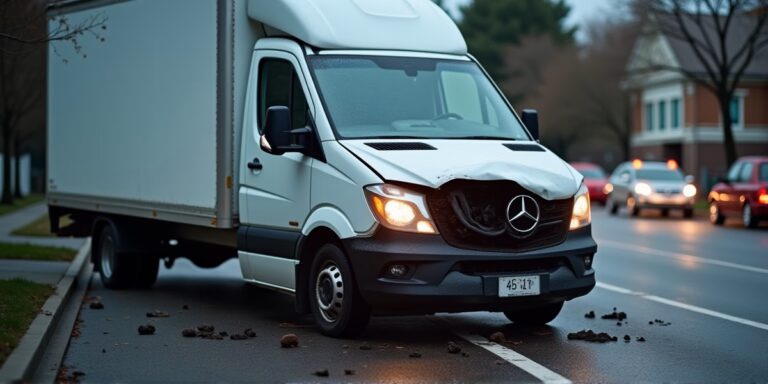
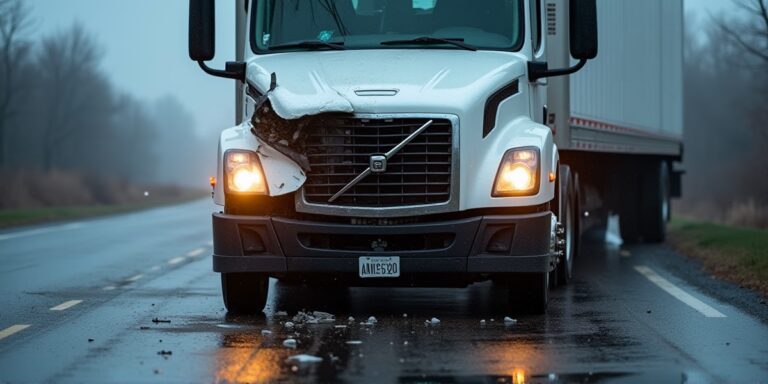
Proving cargo overload requires gathering and analyzing several pieces of evidence. This includes the truck’s bill of lading, which details the weight and contents of the shipment, the driver’s logbook, and any weigh station records. We often subpoena the trucking company’s maintenance records to determine if the truck was properly equipped to handle the load. Photographs of the accident scene, particularly the scattered cargo, can also provide valuable clues.
In many cases, we hire an independent accident reconstruction expert to conduct a thorough investigation. These experts can use sophisticated software to calculate the truck’s center of gravity and determine if it was within safe limits. They can also analyze the truck’s Electronic Logging Device (ELD) data to verify the weight and loading information.
What if the truck was within the legal weight limits but the cargo shifted during the accident?
Even if a truck is within the legal weight limits, a poorly secured load can still cause a rollover. Federal regulations require cargo to be properly secured to prevent shifting during transit. This includes using appropriate tie-downs, straps, and bracing materials. If the cargo shifted due to inadequate securing, the trucking company can be held liable for negligence, even if the weight was legal.
Determining if the cargo was properly secured often requires a detailed inspection of the truck and trailer. We’ll look for evidence of broken tie-downs, inadequate bracing, or improper loading techniques. Expert testimony from a cargo securing specialist may be necessary to establish a violation of federal safety regulations.
What damages can I recover if a truck rollover was caused by cargo overload?
If a truck rollover was caused by cargo overload, you may be entitled to recover a wide range of damages, including medical expenses, lost wages, property damage, and pain and suffering. In cases of serious injury, you may also be able to recover compensation for future medical care, rehabilitation, and loss of earning capacity.
The amount of compensation you’re entitled to will depend on the severity of your injuries, the extent of your losses, and the degree of negligence on the part of the trucking company. It’s crucial to have an attorney who understands the complexities of truck accident litigation and can effectively negotiate with the insurance company to maximize your recovery.
How long do I have to file a lawsuit after a truck accident in California?
In California, the statute of limitations for personal injury claims is generally **two years** from the date of the truck accident. Because trucking companies often begin evidence destruction (like purging ELD data) as soon as the law allows, immediate filing is critical to preserve the integrity of the claim. CCP § 335.1
What should I do if I suspect the truck driver’s logbook has been falsified?
Falsifying logbooks is a serious offense and a common tactic used by trucking companies to conceal Hours of Service (HOS) violations. If you suspect the driver’s logbook has been altered, it’s crucial to notify your attorney immediately. We can subpoena the truck’s Electronic Logging Device (ELD) data to compare it to the logbook and identify any discrepancies.
We can also investigate the driver’s history to determine if they have a pattern of HOS violations. Evidence of falsification can significantly strengthen your case and increase your chances of a successful recovery.
What if the accident involved a government vehicle or a dangerous road condition?
If a truck accident involves a government-owned vehicle or a dangerous road condition maintained by a public entity, a formal administrative claim **MUST** be presented within **6 months** (180 days). Failure to meet this strict deadline under the Government Tort Claims Act can result in the permanent loss of your right to recover. Gov. Code § 911.2
What is the “ABC test” and how does it relate to truck accident claims?
California’s ‘ABC test’ determines if a delivery driver (Amazon/FedEx) is an employee or contractor. Even if labeled a ‘contractor,’ a company may be liable if they exercise control over the driver’s work, a key factor in San Diego delivery truck litigation. Labor Code § 2775
Can I sue the trucking company directly if the driver was at fault?
Under the doctrine of **vicarious liability** (respondeat superior), a principal is responsible to third persons for the negligence of their agent in the transaction of business. This holds the trucking company legally liable for the wrongful acts of its drivers committed within the scope of their employment. Civ. Code § 2338