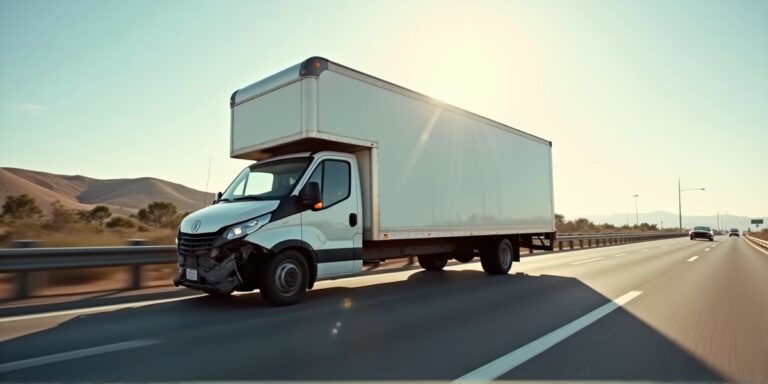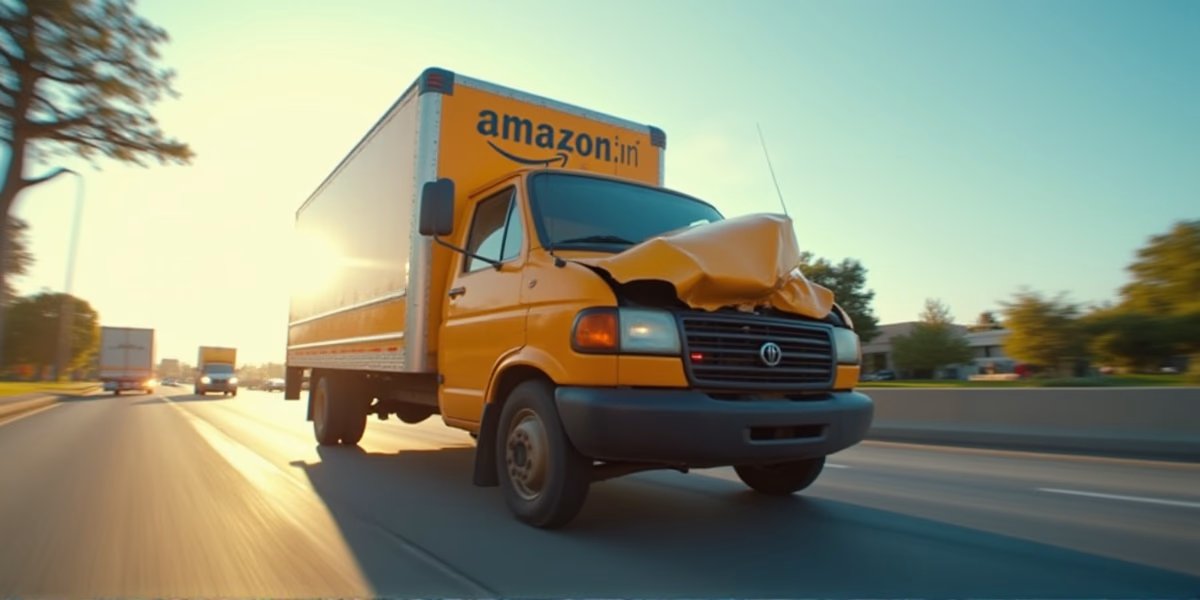
What If A Construction Truck Was Poorly Maintained?

Construction trucks, by their very nature, endure immense stress and are subject to constant wear and tear. Unlike typical passenger vehicles, these trucks carry heavy loads, operate long hours, and often travel on rough terrain. This demands a rigorous maintenance schedule to ensure their safe operation. When a trucking company neglects this duty, the consequences can be devastating, leading to accidents like Javier’s. Establishing liability in these cases requires a deep understanding of commercial vehicle regulations and a thorough investigation into the truck’s maintenance history.
The legal basis for holding a construction trucking company responsible for a poorly maintained vehicle rests on the principle of negligent maintenance. This means the company had a duty to inspect, repair, and maintain the truck in a reasonably safe condition. Failure to do so, and a direct link between that failure and the accident, creates a clear path to recovery. However, proving this negligence isn’t always straightforward. Insurance companies will often attempt to deflect blame, arguing the accident was caused by a sudden, unforeseen event or the actions of another driver.
As a personal injury attorney with over 13 years of experience practicing in San Diego, I’ve seen firsthand how insurance companies attempt to devalue and deny claims involving construction truck accidents. I was trained by a former insurance defense attorney, giving me intimate knowledge of how they evaluate these cases and build their defenses. This insight allows me to anticipate their tactics and build a stronger case for my clients.
What evidence is needed to prove a construction truck was poorly maintained?
Gathering compelling evidence is crucial to demonstrating negligent maintenance. This often involves obtaining the truck’s maintenance records, which should detail all inspections, repairs, and preventative maintenance performed. Look for gaps in service, overdue inspections, or repairs that were improperly documented. The driver’s logbook, if applicable, can also reveal whether the truck was operated in compliance with federal Hours of Service regulations. Additionally, expert testimony from a qualified mechanic can be invaluable in assessing the condition of the truck and identifying any pre-existing defects.
Beyond the official records, evidence from the accident scene itself can be telling. A thorough inspection of the truck’s tires, brakes, and other critical components can reveal signs of neglect. Photos and videos of the damage, along with witness statements, can further support your claim. In many cases, the truck’s Electronic Logging Device (ELD) data can provide a detailed history of the vehicle’s operation, including any mechanical issues that were reported or ignored.
Can I sue the truck driver personally if the truck was poorly maintained?
Generally, you would not sue the truck driver personally in a case involving negligent maintenance. The legal doctrine of **vicarious liability** (respondeat superior) holds the trucking company responsible for the actions of its drivers. This means the company is liable for the wrongful acts of its employees committed within the scope of their employment. Civ. Code § 2338 outlines this principle. Pursuing a claim against the company is typically the most effective course of action, as they have the financial resources to cover your damages.
However, there are exceptions. If the driver intentionally disregarded safety regulations or acted with gross negligence, you may have grounds to pursue a separate claim against them. This is a complex legal issue, and it’s essential to consult with an attorney to determine the best course of action in your specific case.
What if the truck company claims the maintenance was outsourced to a third party?
Outsourcing maintenance doesn’t absolve the trucking company of its responsibility. They still have a duty to ensure the third-party provider is qualified and competent. This means they must conduct due diligence to verify the provider’s credentials, inspect their work, and monitor their performance. If the third-party provider was negligent in performing the maintenance, the trucking company can still be held liable under the doctrine of negligent entrustment.
In these situations, it may be necessary to pursue claims against both the trucking company and the third-party maintenance provider. An experienced attorney can investigate the relationship between the two entities and determine the extent of each party’s liability.
What are the time limits for filing a lawsuit after a truck accident involving a poorly maintained vehicle?
California law provides a **two-year** window from the date of the truck accident to file a lawsuit. CCP § 335.1 details this statute of limitations. Because trucking companies often begin evidence destruction (like purging ELD data) as soon as the law allows, immediate filing is critical to preserve the integrity of the claim.
It’s important to note that there may be additional deadlines or requirements depending on the specific circumstances of your case. For example, if the accident involved a government-owned vehicle or a dangerous road condition maintained by a public entity, a formal administrative claim **MUST** be presented within **6 months** (180 days). Failure to meet this strict deadline under the Government Tort Claims Act can result in the permanent loss of your right to recover. Gov. Code § 911.2 outlines these requirements.
What should I do if the insurance company asks me to give a recorded statement?
I strongly advise against giving a recorded statement to the insurance company without first consulting with an attorney. Insurance adjusters are trained to ask leading questions designed to minimize their liability. They may attempt to trick you into making statements that could harm your claim. A recorded statement can be used against you later in the litigation process, even if you didn’t intend for it to be.
Instead, refer the insurance company to your attorney. I can handle all communication with them on your behalf, ensuring your rights are protected and you receive a fair settlement. In San Diego, it’s common for insurance companies to delay or deny claims, making legal representation even more crucial.