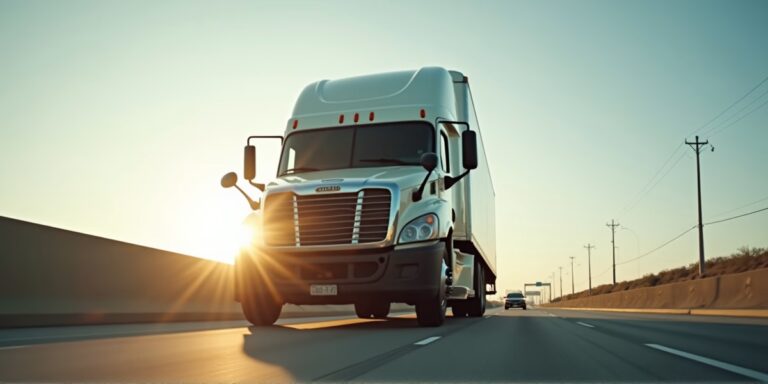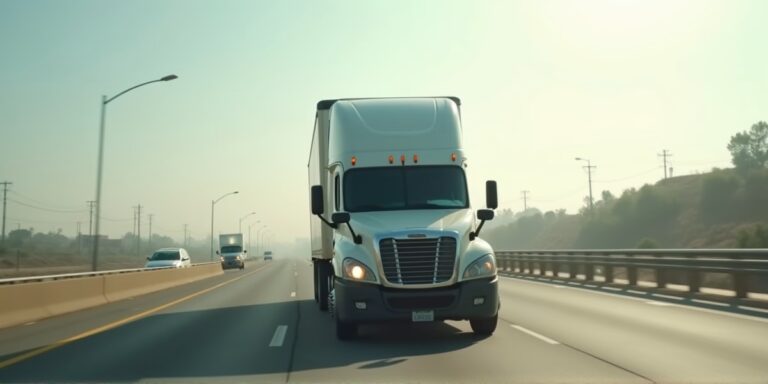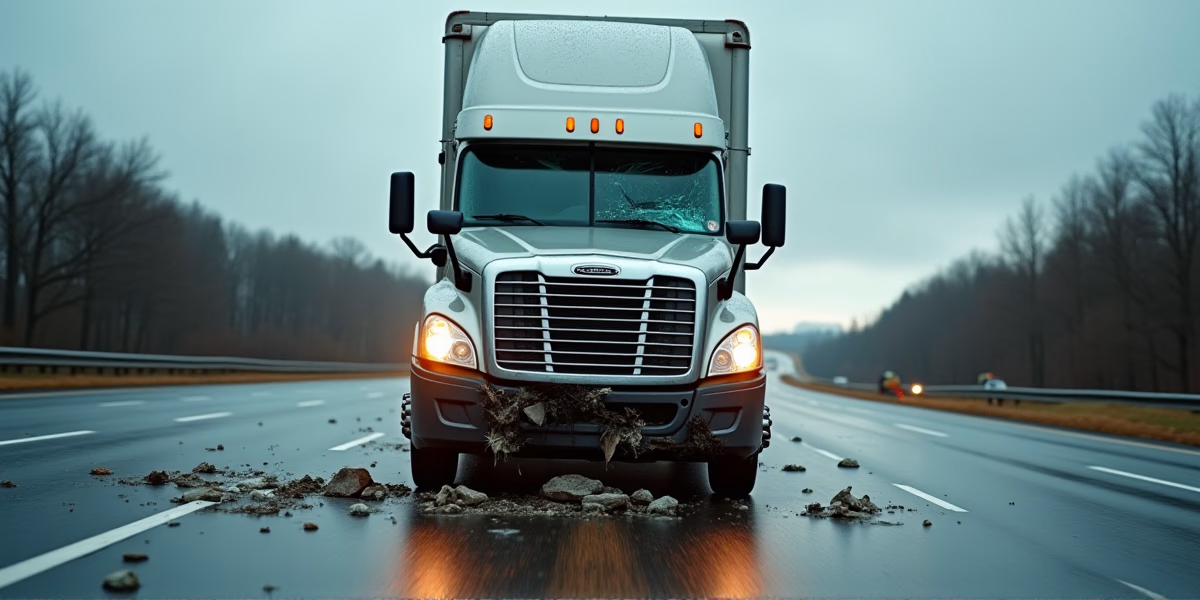
Morse Injury Law representing San Diego commercial trucking victims while discussing: What If A Defective Truck Part Caused The Crash?

What If A Defective Truck Part Caused The Crash?

Jermaine was driving his pickup truck on I-8 when a semi-tractor trailer suddenly veered into his lane, causing a catastrophic collision. He suffered a broken femur, a traumatic brain injury, and extensive damage to his vehicle. The initial investigation revealed the truck’s brakes failed, but the reason remained unclear. After a thorough review of the truck’s maintenance records and the black box data, we discovered a critical defect in a newly installed brake component. The manufacturer had knowingly shipped a faulty part, leading to the devastating crash and over $123,892 in damages.

Confidential Confidential Case Review • No Fee Unless We Win

Attorney Richard Morse a San Diego Injury Attorney

When a truck accident is caused by a defective part, the legal landscape becomes more complex than a typical negligence claim. While the truck driver or trucking company may be at fault for operating an unsafe vehicle, the part manufacturer, distributor, or even the retailer could also bear responsibility. This is because product liability law holds those in the supply chain accountable for ensuring the safety of the products they sell. Successfully navigating these multiple potential avenues of recovery requires a deep understanding of both trucking regulations and product liability principles.

One of the first steps in these cases is identifying the defective part. This often involves a forensic engineering investigation, where experts meticulously examine the failed component to determine the cause of the defect. Was it a design flaw, a manufacturing error, or a failure to adequately warn of potential risks? The answers to these questions are crucial in establishing liability and building a strong case. We’ve seen numerous instances where trucking companies attempt to downplay the role of a defective part, shifting blame to the driver or external factors. That’s why independent expert analysis is so critical.

As a personal injury attorney with over 13 years of experience practicing in San Diego, I’ve handled countless truck accident cases, including many involving defective parts. I was trained by a former insurance defense attorney, giving me intimate knowledge of how insurance companies evaluate, devalue, and deny claims. This insight allows me to anticipate their strategies and build a compelling case on behalf of my clients, ensuring they receive the full compensation they deserve.

Can I sue the truck part manufacturer directly?
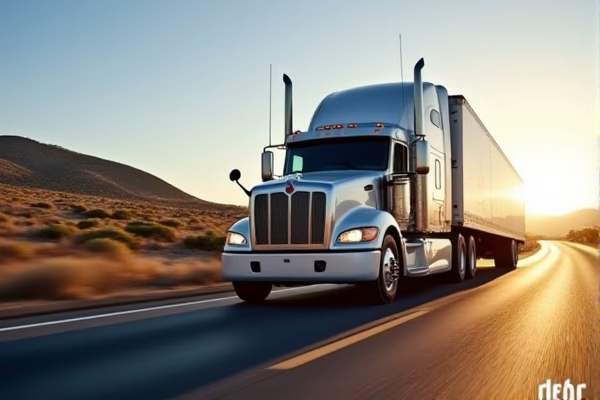
Morse Injury Law representing San Diego commercial trucking victims while discussing: What If A Defective Truck Part Caused The Crash?

Yes, you absolutely can. Under California product liability law, manufacturers have a duty to design, manufacture, and market safe products. If a defective truck part caused or contributed to the accident, the manufacturer can be held liable for your injuries and damages. This liability extends even if they weren’t directly negligent in the traditional sense; they can be held strictly liable for placing a dangerous product into the stream of commerce.

However, proving a defect can be challenging. You’ll need to present evidence demonstrating the part was flawed and that the flaw directly caused the accident. This often requires expert testimony, engineering reports, and documentation of similar incidents involving the same part. It’s also important to identify all parties in the supply chain, including the distributor and retailer, as they may share liability.

What types of defects can lead to a truck accident?

Defective truck parts can manifest in various ways. Common examples include:

  • Design Defects: The part was inherently flawed in its design, making it unsafe for its intended use.
  • Manufacturing Defects: An error occurred during the production process, resulting in a part that deviates from its intended specifications.
  • Marketing Defects: The manufacturer failed to provide adequate warnings or instructions regarding the proper use of the part.
These defects can affect critical components like brakes, tires, steering systems, and even electronic control modules.

How does the discovery process work in a defective truck part case?

The discovery process is a critical phase where we gather evidence to support your claim. This includes requesting documents from the truck manufacturer, distributor, and retailer, such as design specifications, testing reports, and quality control records. We also conduct depositions, where we question key witnesses under oath. Furthermore, we’ll examine the truck’s maintenance history and any relevant recall notices. A thorough investigation is essential to uncover the full extent of the defect and establish liability.

What if the truck company was aware of the defect but didn’t fix it?

If the truck company knew about the defective part and failed to take corrective action, their liability significantly increases. This is because they had a duty to maintain their vehicles in a safe operating condition. Ignoring a known defect demonstrates negligence and a disregard for public safety. We can use this evidence to strengthen your claim and potentially pursue punitive damages, which are intended to punish the company for their reckless behavior.

What is the statute of limitations for filing a lawsuit related to a defective truck part?

In California, the statute of limitations for a product liability claim is generally **two years** from the date of the truck accident. Because trucking companies often begin evidence destruction (like purging ELD data) as soon as the law allows, immediate filing is critical to preserve the integrity of the claim. CCP § 335.1 outlines these time constraints. Delaying action could result in the permanent loss of your right to recover compensation.

What should I do if I suspect a defective truck part caused my accident?

If you believe a defective truck part contributed to your accident, it’s crucial to act quickly. First, document everything you can remember about the accident, including any unusual noises or handling characteristics of the truck. Second, seek immediate medical attention and keep detailed records of your treatment. Finally, contact an experienced San Diego truck accident attorney to discuss your legal options. A thorough investigation is key to uncovering the truth and protecting your rights.

Authority Link Reference Table

Authority Link Reference Table
Statutory Authority Description
CCP § 335.1 Sets the 2-year limitations period for most California personal injury claims. In San Diego trucking cases, preserving evidence early is critical because carriers and insurers often move quickly to control records and narrative.
Gov. Code § 911.2 Requires timely presentation of claims against public entities (often 6 months). This matters when a crash involves roadway design, construction zones, transit agencies, or city/county responsibility.
CCP § 2017.010 Defines the scope of discovery. In trucking litigation, discovery targets driver logs/ELD data, qualification files, inspection/maintenance records, dispatch communications, and safety program documents.
CCP § 377.60 Identifies who has standing to bring a wrongful death claim. This is essential for fatal commercial vehicle crashes where multiple family members may have rights.
CCP § 377.30 Survival action authority. In fatal trucking cases, this can apply to claims the decedent could have brought (often tied to pre-death harms and litigation strategy alongside wrongful death).
Civ. Code § 1714 California’s general negligence framework. Trucking defendants often use comparative-fault narratives (lane position, following distance, speed, “cut-off” claims) to reduce claimed damages.
Evid. Code § 669 Negligence per se when a safety law is violated. This is frequently argued in trucking cases when FMCSA rules or CVC safety provisions are breached.
Civ. Code § 2338 Vicarious liability principles (respondeat superior). Critical when proving a motor carrier, delivery company, or fleet operator is responsible for a driver’s on-duty conduct.
CVC § 22406 Maximum speed limits for certain commercial vehicles and vehicles towing. Supports liability arguments and reconstruction when speed/conditions are disputed.
CVC § 34500 California’s commercial vehicle safety/inspection framework. Often relevant to maintenance failures, equipment defects, and inspection noncompliance.
Civ. Code § 3294 Punitive damages standard (oppression, fraud, or malice). Can matter in extreme trucking conduct cases (e.g., reckless safety policy violations, egregious impairment, or intentional evidence games).
Howell v. Hamilton Meats Damages valuation authority addressing medical specials (amounts actually paid/owed). Frequently impacts settlement math in catastrophic injury cases.
Li v. Yellow Cab Co. Foundational California comparative negligence authority. Trucking defendants often argue shared fault to reduce value; this anchors the comparative-fault framework used in negotiations and trial.
Civ. Code § 1431.2 Several liability allocation for non-economic damages. Important when multiple parties share responsibility (carrier, shipper/loader, broker, maintenance vendor, public entities).
Ins. Code § 11580.2 UM/UIM statutory framework. Relevant when a truck, delivery vehicle, or other responsible party is underinsured, unidentified, or coverage disputes arise.
Federal Motor Carrier Safety Regulations (FMCSA)
49 CFR Part 395 Hours-of-service rules (fatigue). Directly tied to ELD/logbook questions, forced driving, rest break violations, and crash causation analysis.
49 CFR Part 396 Inspection, repair, and maintenance duties. Central for brake failures, tire failures, equipment defects, inspection records, and maintenance contractor liability.
49 CFR Part 391 Driver qualification rules (DQ files). Supports negligent hiring/retention claims and discovery of licensing, medical certification, training, and prior safety history.
49 CFR Part 382 Controlled substances and alcohol testing rules. Relevant to post-crash testing questions, DUI/impairment claims, and carrier compliance obligations.
49 CFR Part 392 Operational driving rules (safe driving, distracted driving policies, etc.). Used to frame duty, safety standards, and negligence arguments tied to driver conduct.
49 CFR Part 393 Parts and accessories necessary for safe operation. Supports defect/equipment theories involving brakes, lights, tires, underride guards, and other safety components.
49 CFR Part 383 Commercial driver’s license (CDL) standards. Relevant to CDL impact questions, qualification issues, endorsements, and compliance expectations for commercial drivers.

Similar Posts