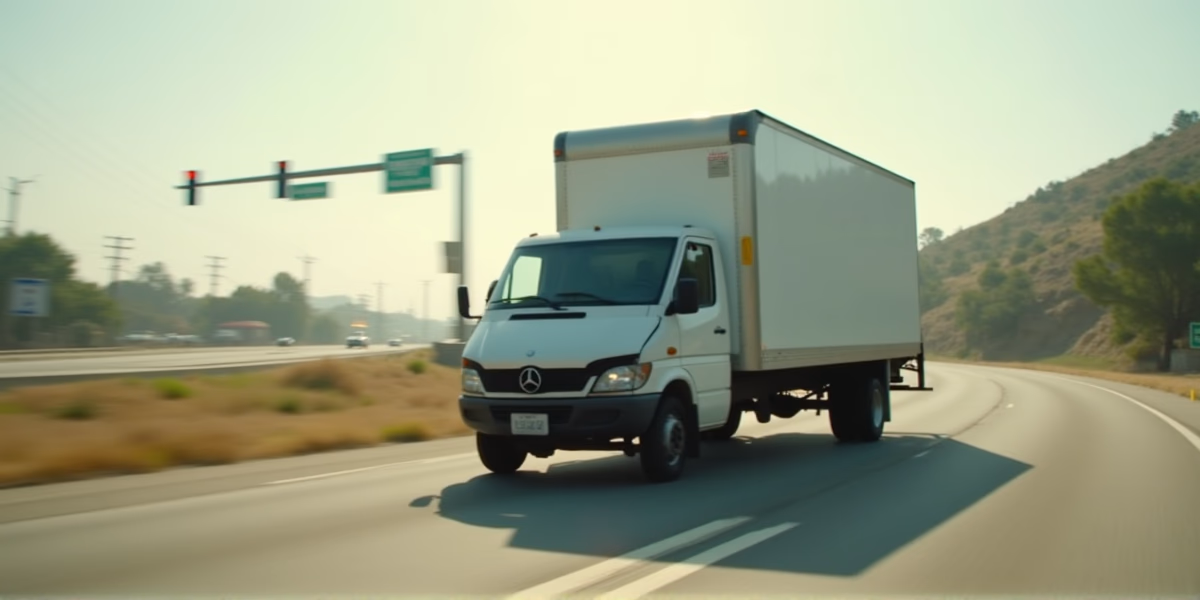
Who Is Liable For A Truck Accident In A Construction Zone?

Determining liability in a truck accident occurring within a construction zone is often far more complex than a typical highway collision. While the truck driver may be at fault due to negligence – speeding, distracted driving, or failing to maintain control – other parties could also share responsibility. This includes the construction company, the government entity overseeing the roadway, or even subcontractors involved in the project. It’s crucial to understand that multiple parties can contribute to an accident, and a thorough investigation is needed to identify all potential sources of recovery.
One of the first steps in evaluating liability is determining if the construction zone itself was properly maintained and marked. Were there adequate warning signs indicating reduced speed limits, lane closures, or the presence of workers? Was the zone clearly illuminated, especially during nighttime hours? If the construction company failed to adhere to safety regulations, creating a hazardous environment, they could be held liable for the resulting damages. This often involves reviewing Caltrans manuals and industry best practices to establish a standard of care.
I’ve been practicing personal injury law in San Diego for over 13 years, and I’ve seen firsthand how insurance companies attempt to minimize their payouts in construction zone truck accidents. Trained by a former insurance defense attorney, I have intimate knowledge of how these companies evaluate, devalue, and deny claims. They often focus on driver error, overlooking the potential negligence of other parties involved. That’s why it’s essential to have an attorney who understands the intricacies of these cases and can effectively advocate for your rights.
What role does the construction company play in truck accident liability?
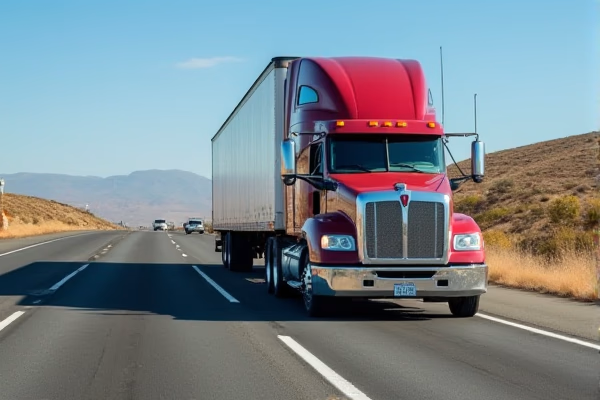
Construction companies have a legal duty to ensure the safety of workers and motorists within their work zones. This duty extends to providing adequate signage, traffic control measures, and proper illumination. If a company fails to meet these standards, they can be held liable for accidents resulting from their negligence. For example, if a lane closure isn’t clearly marked, leading to a truck driver inadvertently entering the work zone, the construction company could be responsible.
Furthermore, the construction company is responsible for the actions of their employees and subcontractors. If a worker’s negligence contributes to the accident – for instance, improperly placing cones or failing to flag traffic – the company can be held vicariously liable. Investigating the company’s safety protocols, training records, and history of violations is critical to establishing their potential liability.
Can the government be held liable for an accident in a construction zone?
If the truck accident involves a roadway or a dangerous road condition maintained by a public entity, the government may be held liable. However, pursuing a claim against a government agency requires strict adherence to specific procedures. According to Gov. Code § 911.2, a formal administrative claim **MUST** be presented within **6 months** (180 days) of the accident. Failure to meet this strict deadline under the Government Tort Claims Act can result in the permanent loss of your right to recover.
The government’s liability often hinges on whether they were aware of a dangerous condition and failed to take reasonable steps to address it. This could include inadequate lighting, poorly maintained signage, or a lack of proper traffic control. Proving this requires gathering evidence of prior complaints, inspection reports, and any other documentation demonstrating the government’s knowledge of the hazard.
What if the truck driver was speeding through the construction zone?
Even if the truck driver was speeding, it doesn’t automatically absolve other parties of responsibility. While the driver’s negligence is a significant factor, the construction company or government entity may still be liable if their actions contributed to the accident. For example, if the speed limit reduction wasn’t clearly posted, or if the zone was poorly illuminated, the driver’s speeding may have been a foreseeable consequence of their negligence.
In California, commercial trucks (including semi-tractors with three or more axles) are strictly prohibited from exceeding **55 miles per hour** on any highway. In San Diego freeway crashes, proving a violation of this speed limit is a primary tool for establishing statutory negligence. However, it’s important to remember that comparative fault principles apply, meaning the driver’s share of responsibility will be factored into any potential recovery.
What evidence is needed to prove liability in a construction zone truck accident?
Gathering comprehensive evidence is crucial to establishing liability in a construction zone truck accident. This includes police reports, witness statements, photographs of the accident scene, and medical records documenting your injuries. Additionally, obtaining the truck’s Electronic Logging Device (ELD) data can reveal whether the driver was adhering to federal Hours of Service (HOS) regulations.
Furthermore, it’s important to investigate the construction company’s safety protocols, training records, and history of violations. This may involve requesting documentation through a formal discovery process. Dashcam footage, if available, can also provide valuable evidence of the accident and the surrounding circumstances. Preserving this evidence is critical, as it can be easily lost or destroyed.
How does workers’ compensation affect my ability to sue after a construction zone truck accident?
If a commercial driver is injured on the job in San Diego, they are entitled to workers’ compensation. However, workers’ compensation is generally the **exclusive remedy** against the employer. Separate personal injury claims are typically limited to **negligent third parties** who are not the employer. This means you can still pursue a claim against the construction company or government entity if their negligence contributed to the accident, even if you are receiving workers’ compensation benefits.
Under California law, you have the right to pursue a separate civil claim against a **negligent third party** whose actions contributed to the truck accident, even when workers’ compensation benefits apply. This allows you to recover damages beyond what is available through workers’ compensation, such as pain and suffering, lost future earnings, and emotional distress.