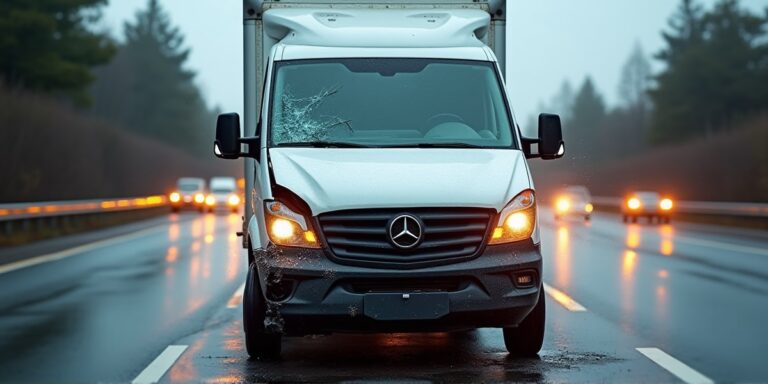

Who Is Liable For Jackknife Truck Accidents?

Jackknife accidents are particularly devastating because of the sheer size and weight involved. Unlike a typical car crash, these incidents often result in catastrophic injuries and complex liability issues. Determining who is at fault – and therefore responsible for covering the damages – requires a thorough investigation and a deep understanding of trucking regulations.
The liability in a jackknife truck accident isn’t always straightforward. While the truck driver may be at fault due to negligence, the responsibility often extends beyond the individual behind the wheel. Factors like improper cargo loading, inadequate maintenance, and even the trucking company’s hiring practices can all play a significant role. That’s why it’s crucial to consult with an attorney experienced in handling these types of cases.
I’ve been practicing personal injury law in San Diego for over 13 years, and I’ve seen firsthand how insurance companies attempt to minimize payouts in truck accident claims. Trained by a former insurance defense attorney, I have intimate knowledge of how these companies evaluate, devalue, and deny claims. I understand their tactics, and I’m prepared to fight for the maximum compensation my clients deserve.
What causes jackknife truck accidents?
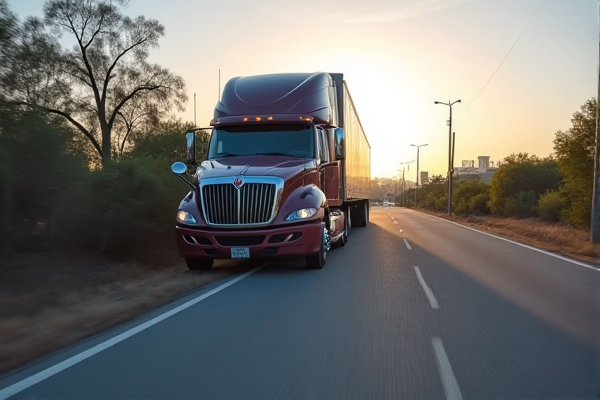
Jackknife accidents occur when the trailer of a semi-truck swings out of control, forming a “V” shape with the cab. Several factors can contribute to this dangerous situation. These include excessive speed, especially when entering curves or during inclement weather. Improper braking techniques, such as locking the brakes, can also cause the trailer to skid and jackknife. Another common cause is uneven weight distribution within the trailer, leading to instability.
Furthermore, inadequate maintenance of the truck’s braking system is a frequent culprit. Worn brake pads, faulty anti-lock braking systems (ABS), and improperly adjusted brakes can all increase the risk of a jackknife. Finally, driver fatigue and distraction are significant contributing factors, as they impair a driver’s ability to react quickly and maintain control of the vehicle.
Who can be held liable in a jackknife truck accident?
Determining liability in a jackknife accident often involves multiple parties. The truck driver is often the first suspect, particularly if negligence such as speeding, distracted driving, or violating hours-of-service regulations is involved. However, the trucking company itself can also be held liable under the doctrine of **vicarious liability** (respondeat superior), as they are responsible for the actions of their employees. Civ. Code § 2338.
The cargo loader can be liable if they improperly secured the load, causing an uneven weight distribution. The manufacturer of the truck or its components may be held responsible if a defect in the braking system or other critical parts contributed to the accident. In some cases, even the company that performed maintenance on the truck could be liable if they failed to properly inspect and repair the vehicle.
What evidence is needed to prove liability in a jackknife truck accident?
Building a strong case requires gathering comprehensive evidence. This includes the police report, which details the accident scene and any initial findings. Witness statements can provide valuable insights into the events leading up to the crash. The truck’s “black box” data recorder (EDR) contains crucial information about speed, braking, and other critical parameters.
Inspection reports of the truck’s maintenance history can reveal any pre-existing mechanical issues. Photographs and videos of the accident scene, including damage to the vehicles and surrounding area, are also essential. Finally, the driver’s logbook and employment records can help establish whether the driver was adhering to federal Hours of Service regulations.
What if the truck driver was an independent contractor?
Determining liability becomes more complex when the truck driver is classified as an independent contractor rather than an employee. California’s ‘ABC test’ determines if a delivery driver (Amazon/FedEx) is an employee or contractor. Even if labeled a ‘contractor,’ a company may be liable if they exercise control over the driver’s work, a key factor in San Diego delivery truck litigation. Labor Code § 2775.
If the trucking company exerts significant control over the driver’s routes, schedules, or methods of operation, they may still be held liable for their negligence. This is because the classification of “independent contractor” doesn’t automatically shield the company from responsibility if they effectively controlled the driver’s actions.
What are the common defenses used by trucking companies in jackknife accident cases?
Trucking companies and their insurance carriers often employ various defenses to minimize their liability. One common tactic is to argue that the accident was caused by the other driver’s negligence. They may claim the other driver was speeding, distracted, or failed to yield the right-of-way. Another defense is to dispute the extent of the injuries, attempting to downplay the severity of the damages.
They may also argue that the accident was unavoidable due to unforeseen circumstances, such as sudden weather changes. It’s crucial to have an experienced attorney who can anticipate these defenses and effectively counter them with compelling evidence.
How long do I have to file a lawsuit after a jackknife truck accident?
California law provides a **two-year** window from the date of the truck accident to file a lawsuit. Because trucking companies often begin evidence destruction (like purging ELD data) as soon as the law allows, immediate filing is critical to preserve the integrity of the claim. CCP § 335.1.
Waiting too long can result in the loss of your right to recover compensation. It’s essential to consult with an attorney as soon as possible after the accident to understand your legal options and ensure that all necessary steps are taken to protect your claim.
What should I do if a government vehicle or roadway hazard contributed to the accident?
If a truck accident involves a government-owned vehicle or a dangerous road condition maintained by a public entity, a formal administrative claim **MUST** be presented within **6 months** (180 days). Failure to meet this strict deadline under the Government Tort Claims Act can result in the permanent loss of your right to recover. Gov. Code § 911.2.
These claims are often complex and require specific documentation and procedures. It’s crucial to consult with an attorney experienced in handling government liability claims to ensure that your claim is properly filed and processed.
What if I was also injured while working as a trucker?
If a commercial driver is injured on the job in San Diego, they are entitled to workers’ compensation. However, workers’ compensation is generally the **exclusive remedy** against the employer. Separate personal injury claims are typically limited to **negligent third parties** who are not the employer. Labor Code § 3600.
This means you can still pursue a claim against the other driver or any other responsible party, even if you are receiving workers’ compensation benefits. However, you cannot sue your employer directly for negligence unless specific exceptions apply.
What is the role of electronic logging devices (ELDs) in truck accident investigations?
Federal **Hours of Service (HOS)** regulations dictate exactly how long a driver can be behind the wheel. Violations of these federal safety standards, often proven through Electronic Logging Device (ELD) data, are used to demonstrate driver fatigue. 49 CFR § 395.
ELDs record a driver’s driving time, rest breaks, and other critical information. This data can be invaluable in proving that a driver was in violation of HOS regulations, which can be a strong indicator of negligence.
What happens if the insurance company asks me to give a recorded statement?
Insurance companies often request recorded statements from accident victims. While you are not legally obligated to provide a statement, doing so can be detrimental to your claim. Insurance adjusters are trained to ask leading questions and elicit information that can be used to minimize your payout.
It’s best to decline the request for a recorded statement and consult with an attorney before speaking with the insurance company. I can advise you on the best course of action and ensure that your rights are protected.