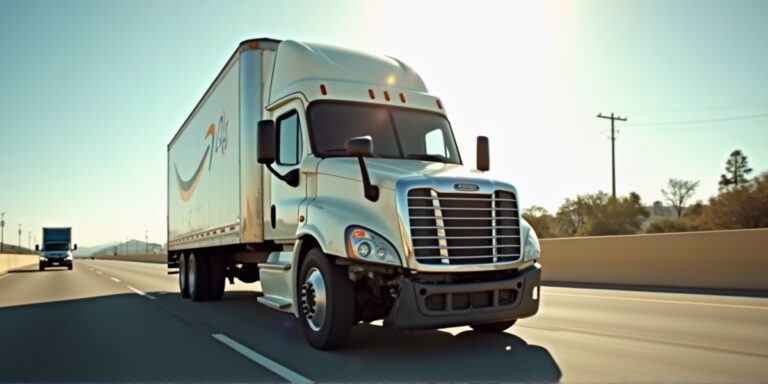

Who Is Liable For Poor Truck Maintenance?

Determining liability in a truck maintenance case can be complex. Unlike a typical car accident where fault often rests solely with the driver, truck accidents frequently involve multiple parties potentially at fault. The trucking company bears a significant responsibility for ensuring their vehicles are safe and roadworthy. This isn’t simply a matter of scheduled oil changes; it encompasses a comprehensive preventative maintenance program, regular inspections, and prompt repairs of any identified issues. Neglecting these duties can lead to catastrophic consequences, and legal recourse.
A crucial aspect of establishing liability is proving the trucking company knew, or *should have known*, about the deficient maintenance. This can be demonstrated through maintenance logs, inspection reports, driver logs, and even testimony from former employees. Often, these records are incomplete or altered, requiring a thorough investigation to uncover the truth. We’ve seen cases where companies deliberately falsified maintenance records to create the illusion of compliance, only to be exposed through ELD data and independent mechanic inspections.
I’ve been practicing personal injury law in San Diego for over 13 years, and I’ve seen firsthand how insurance companies attempt to minimize their exposure in truck accident cases. I was trained by a former insurance defense attorney, giving me intimate knowledge of how they evaluate, devalue, and deny claims. This insight allows me to anticipate their strategies and build a stronger case for my clients.
What evidence is needed to prove a truck maintenance claim?
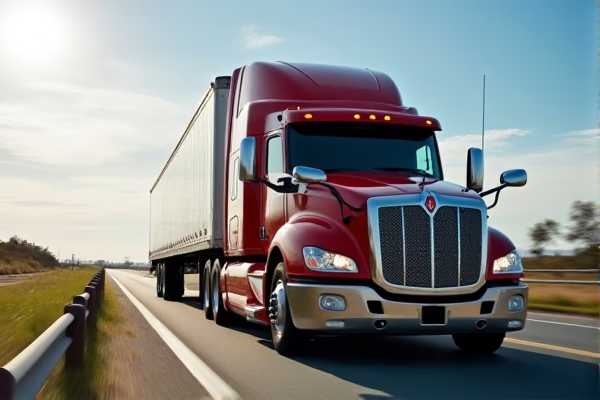
Gathering sufficient evidence is paramount in proving a truck maintenance claim. This often goes beyond the typical police report and witness statements. Key pieces of evidence include the truck’s maintenance history, which should detail all inspections, repairs, and preventative maintenance performed. Driver logs, both paper and electronic (ELD data), are also critical, as they can reveal whether the driver reported any mechanical issues or if the truck was operating outside of safety regulations. Photographs and videos of the accident scene, particularly focusing on the condition of the truck’s tires, brakes, and other critical components, are also invaluable.
Furthermore, expert testimony from a qualified mechanic specializing in commercial vehicles can be essential. An independent inspection of the truck can identify pre-existing conditions or defects that contributed to the accident. We often subpoena maintenance records directly from the trucking company, and if necessary, pursue discovery to compel testimony from their mechanics and safety managers. It’s important to act quickly, as trucking companies may attempt to repair or dispose of the vehicle, destroying crucial evidence.
Can a trucking company be held liable even if they contracted out maintenance?
Yes, a trucking company can absolutely be held liable for negligent maintenance even if they outsource the work to a third-party mechanic. The trucking company has a non-delegable duty to ensure their vehicles are safe, regardless of who performs the maintenance. This means they are responsible for properly vetting the mechanic, ensuring they are qualified and competent, and overseeing the quality of their work. If the mechanic was negligent in performing the maintenance, the trucking company can be held vicariously liable for their actions under the doctrine of **vicarious liability** (respondeat superior), as outlined in Civ. Code § 2338.
We often investigate the mechanic’s qualifications, licensing, and history of complaints. If the mechanic was improperly licensed or had a pattern of negligent work, it strengthens the case against the trucking company. The key is to demonstrate that the trucking company failed to exercise reasonable care in selecting and supervising the maintenance provider.
What if the truck driver reported a mechanical issue, but the company ignored it?
If a truck driver reported a mechanical issue to the company, and the company failed to address it, this is strong evidence of negligence. Trucking companies are legally obligated to respond to driver reports of safety concerns and take appropriate action to repair any defects. Ignoring these reports demonstrates a reckless disregard for safety and significantly increases their liability. Driver logs, maintenance requests, and any internal communications regarding the issue are crucial pieces of evidence in these cases.
We’ve handled numerous cases where drivers repeatedly warned their companies about faulty brakes, worn tires, or other critical problems, only to be told to continue driving. This is not only negligent but also creates a dangerous situation for everyone on the road. The company’s failure to heed the driver’s warnings can be used to establish both negligence and punitive damages.
What role do federal regulations play in truck maintenance liability?
Federal regulations, specifically those outlined in **49 CFR § 395**, play a significant role in establishing the standard of care for truck maintenance. These regulations dictate everything from inspection schedules and repair procedures to driver qualifications and hours of service limits. Violations of these regulations are often considered *per se* negligence, meaning they automatically establish a breach of duty. For example, failing to conduct required inspections, falsifying maintenance records, or allowing a driver to operate a vehicle with known defects are all violations that can be used to prove liability.
We often work with accident reconstruction experts to analyze ELD data and driver logs to determine if the company was in compliance with federal regulations. If they were not, it significantly strengthens the case against them. It’s important to note that these regulations are complex, and a thorough understanding of them is essential to successfully pursue a claim.
How does the statute of limitations affect a truck maintenance claim in California?
In California, you have a limited time to file a lawsuit after a truck accident. According to CCP § 335.1, you generally have **two years** from the date of the accident to initiate legal proceedings. Because trucking companies often begin evidence destruction (like purging ELD data) as soon as the law allows, immediate filing is critical to preserve the integrity of the claim.
Waiting too long can result in the permanent loss of your right to recover compensation for your injuries, lost wages, and other damages. It’s crucial to consult with an attorney as soon as possible after an accident to understand your rights and ensure your claim is filed within the statutory deadline. We can immediately send a spoliation letter to the trucking company, demanding they preserve all relevant evidence.