What If The Insurance Company Denies My Motorcycle Accident Claim?

Dealing with a denied motorcycle accident claim is unfortunately common. Insurance companies are businesses, and their primary goal is to minimize payouts. They often employ tactics designed to undervalue or outright deny legitimate claims, hoping injured riders will simply give up. But a denial is not the final word. You have rights, and you have options.
The first step is to understand *why* your claim was denied. The insurance adjuster is required to provide a written explanation outlining the specific reasons for the denial. Scrutinize this letter carefully. Common reasons include disputed liability, insufficient evidence of your injuries, pre-existing conditions, or policy limitations. Don’t accept a vague explanation; demand detailed documentation supporting their decision. Often, the denial is based on a misinterpretation of the facts or a lack of thorough investigation.
I’ve spent over 13 years representing motorcyclists injured in San Diego, and I’ve seen firsthand how insurance companies operate. Trained by a former insurance defense attorney, I have intimate knowledge of how they evaluate, devalue, and deny claims. This experience allows me to anticipate their strategies and build a strong case on your behalf. I understand the nuances of California law and the tactics insurers use to avoid paying what you deserve.
What evidence can I gather to fight a denied claim?
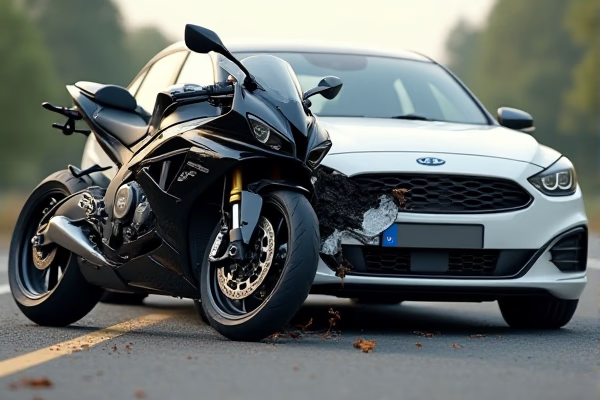
Gathering compelling evidence is crucial to overturning a denial. This includes the police report, witness statements, photos of the accident scene and your injuries, medical records, and any documentation related to lost wages or property damage. If there were any dashcam recordings or surveillance footage, secure those immediately. Even seemingly minor details can be significant.
Don’t underestimate the importance of your own detailed account of the accident. Write down everything you remember, including the events leading up to the crash, the impact itself, and any conversations you had with the other driver or law enforcement. The more comprehensive your documentation, the stronger your position will be.
What if the insurance company claims I was at fault?
Disputed liability is a frequent reason for claim denials. Insurance companies will often attempt to shift blame onto the motorcyclist, even if they were not responsible for the accident. They may argue you were speeding, lane splitting improperly, or failed to yield the right-of-way. California’s ‘pure’ comparative fault system applies to motorcycle claims. Even if a driver argues you shared responsibility due to speed or positioning, you can still recover damages; however, your total compensation will be reduced by your percentage of fault. Civ. Code § 1714
To counter these claims, you’ll need to present evidence demonstrating the other driver’s negligence. This could include witness testimony, traffic camera footage, or expert reconstruction analysis. Proving the other driver violated a traffic law is a powerful way to establish liability.
How long do I have to file a lawsuit if my claim is denied?
Time is of the essence. California law provides a **two-year** window from the date of the motorcycle accident to file a lawsuit for personal injury. Because evidence at a crash scene—such as skid marks or GoPro footage—can disappear quickly, immediate filing is critical to preserve the integrity of the claim. CCP § 335.1. Missing this deadline will likely result in the permanent loss of your right to recover compensation.
What is the role of an attorney in fighting a denied claim?
An experienced attorney can significantly increase your chances of success. We can thoroughly investigate the accident, gather evidence, negotiate with the insurance company on your behalf, and, if necessary, file a lawsuit to protect your rights. We understand the legal complexities involved and can navigate the claims process effectively. We can also identify potential sources of recovery you may not be aware of, such as uninsured motorist coverage or claims against other parties.
What if the accident involved a government vehicle or roadway hazard?
If a motorcycle accident involves a government-owned vehicle or a dangerous road condition like loose gravel, potholes, or poorly marked construction zones, a formal administrative claim **MUST** be presented within **6 months** (180 days). Failure to meet this strict deadline under the Government Tort Claims Act can result in the permanent loss of your right to recover. Gov. Code § 911.2. These claims have specific requirements and are often more complex than standard accident claims.
What should I do if the insurance company asks me to give a recorded statement?
Politely decline to provide a recorded statement without first consulting with an attorney. Insurance adjusters are skilled at asking leading questions designed to minimize your claim. Anything you say can be used against you, even if you believe you are being cooperative. Let an attorney handle all communication with the insurance company.
How does medical lien reimbursement work in a motorcycle accident case?
If you received medical treatment for your injuries, the healthcare provider may file a medical lien against your settlement. California law limits the amount a health insurance company or medical provider can claim from your settlement via a lien. These ‘anti-subrogation’ protections ensure that the injured rider retains a fair portion of their recovery after medical bills are addressed. Civ. Code § 3040. We can negotiate with the lienholder to reduce the amount owed and protect your financial interests.
What if the other driver was operating a borrowed vehicle?
A vehicle owner is liable if they permit an unfit or incompetent driver to operate their car, leading to a collision with a motorcyclist. This is a vital tool for recovery when the at-fault driver was operating a vehicle borrowed from a friend or family member. CACI No. 724. Establishing negligent entrustment requires proving the owner knew or should have known the driver was unqualified.
What if the other driver ran a red light or made an unsafe left turn?
Drivers intending to turn left must yield the right-of-way to all vehicles approaching from the opposite direction which are close enough to constitute a hazard. This statute is the primary basis for liability in ‘left-turn’ accidents, which are among the most common and deadly types of motorcycle crashes. CVC § 21801. Similarly, running a red light is a clear violation of traffic law that establishes negligence.
What if the other driver was intoxicated?
It is unlawful for any person who is under the influence of alcohol to drive a vehicle. Proving intoxication or ‘malice’ allows for the pursuit of exemplary (punitive) damages, designed to punish the defendant and increase the total recovery beyond standard medical and wage losses. CVC § 23152(a) and Civ. Code § 3294.