Who Is Liable For Tow Truck Crashes?

Determining liability in a tow truck accident can be complex. Unlike typical car accidents, tow truck crashes often involve multiple potential parties. The tow truck company, the driver, the vehicle owner who requested the tow, and even the entity responsible for the roadway can all bear responsibility, depending on the specific circumstances. It’s crucial to understand these nuances to protect your rights and pursue full compensation for your injuries and losses.
One of the first steps is identifying the cause of the accident. Was it driver error – speeding, distracted driving, or failing to properly secure the towed vehicle? Was the tow truck poorly maintained, leading to brake failure or other mechanical issues? Or was the accident a result of negligent dispatching or inadequate training? Each scenario points to a different potentially liable party.
As a personal injury attorney with over 13 years of experience practicing in San Diego, I’ve seen firsthand how insurance companies attempt to minimize their payouts in tow truck accident cases. I was trained by former insurance defense attorneys, giving me intimate knowledge of how they evaluate, devalue, and deny claims. They often exploit the complexities of these cases to their advantage, making it essential to have an advocate who understands the legal landscape.
What types of negligence are common in tow truck accidents?
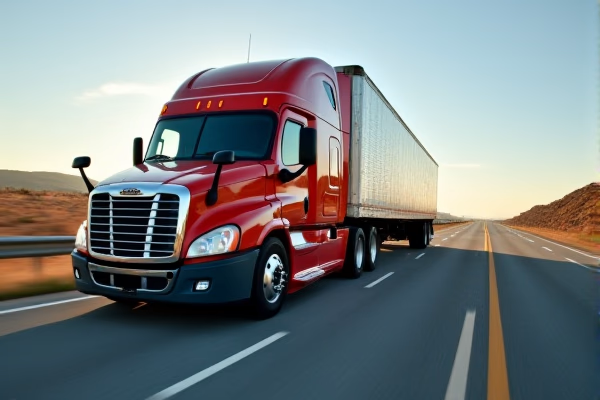
Tow truck accidents frequently stem from several forms of negligence. Speeding: Commercial trucks, including tow trucks, are subject to strict speed limits, and exceeding those limits significantly increases the risk of a crash. Improper Towing Procedures: Failing to properly secure the towed vehicle, using inadequate equipment, or exceeding the truck’s towing capacity can lead to catastrophic failures. Distracted Driving: Like all drivers, tow truck operators are prohibited from texting or engaging in other distracting activities while operating their vehicles. Inadequate Maintenance: Neglecting routine maintenance, such as brake inspections and tire replacements, can create dangerous conditions.
Beyond these common issues, negligent dispatching can also be a factor. If a tow truck company sends a driver on a call without verifying their qualifications or providing adequate information about the location or nature of the tow, they could be held liable. Similarly, if the vehicle owner provides inaccurate or misleading information to the tow company, they may share responsibility for the accident.
Can I sue the tow truck company directly?
Generally, yes. Under the doctrine of **vicarious liability** (respondeat superior), a principal is responsible to third persons for the negligence of their agent in the transaction of business. This holds the trucking company legally liable for the wrongful acts of its drivers committed within the scope of their employment. Civ. Code § 2338. This means that even if the driver was at fault, the tow truck company can be held financially responsible for your damages.
However, proving the tow truck company’s negligence requires a thorough investigation. We’ll need to examine the driver’s training records, maintenance logs, dispatch records, and any available video footage to establish a clear link between the company’s actions (or inactions) and the accident. This is where an experienced attorney can be invaluable.
What if the accident was caused by a faulty tow truck?
If a mechanical failure caused the accident, the tow truck company, the truck manufacturer, or the maintenance provider could be held liable. Negligent Maintenance: Commercial vehicles are subject to rigorous safety and inspection regulations. Failure to maintain brakes, tires, or lighting systems according to California’s commercial vehicle safety framework can be used to establish direct liability against the carrier for ‘negligent maintenance’. CVC § 34500. We would investigate the truck’s maintenance history, looking for any evidence of neglected repairs or improper inspections.
In some cases, a product defect may be to blame. If the brakes, tires, or other critical components were faulty due to a manufacturing defect, we may pursue a claim against the manufacturer. These cases often require expert testimony to establish the defect and its role in the accident.
What if the vehicle owner requested the tow? Could they be liable?
The vehicle owner who requested the tow can be held liable if their negligence contributed to the accident. Inaccurate Information: If the owner provided false or misleading information to the tow company about the vehicle’s condition or location, they could be held responsible for any resulting damages. Improper Instructions: If the owner gave the tow company unsafe or illegal instructions, they may share liability. Failure to Warn: If the owner knew about a potential hazard at the tow location and failed to warn the tow truck driver, they could be held accountable.
However, establishing the vehicle owner’s negligence can be challenging. We’ll need to demonstrate that their actions (or inactions) directly caused or contributed to the accident. This often requires gathering witness testimony and reviewing any communication between the owner and the tow company.
What should I do immediately after a tow truck accident in San Diego?
Following a tow truck accident, it’s crucial to take immediate steps to protect your rights. Document Everything: Take photos of the accident scene, including the damage to all vehicles involved, the tow truck’s license plate, and any visible injuries. Gather Information: Exchange contact information with the tow truck driver, the vehicle owner (if present), and any witnesses. Seek Medical Attention: Even if you don’t feel immediately injured, it’s essential to see a doctor as soon as possible. Some injuries, such as whiplash or internal bleeding, may not be apparent right away. Contact an Attorney: An experienced attorney can guide you through the legal process, investigate the accident, and help you pursue full compensation for your losses.
What is the statute of limitations for filing a lawsuit after a tow truck accident in California?
California law provides a **two-year** window from the date of the truck accident to file a lawsuit. CCP § 335.1. Because trucking companies often begin evidence destruction (like purging ELD data) as soon as the law allows, immediate filing is critical to preserve the integrity of the claim.
What if the tow truck driver was working for a government entity?
If a truck accident involves a government-owned vehicle or a dangerous road condition maintained by a public entity, a formal administrative claim **MUST** be presented within **6 months** (180 days). Gov. Code § 911.2. Failure to meet this strict deadline under the Government Tort Claims Act can result in the permanent loss of your right to recover.
What if I was misclassified as an independent contractor while driving a tow truck?
California’s ‘ABC test’ determines if a delivery driver (Amazon/FedEx) is an employee or contractor. Labor Code § 2775. Even if labeled a ‘contractor,’ a company may be liable if they exercise control over the driver’s work, a key factor in San Diego delivery truck litigation.
What if the tow truck company’s insurance company is offering me a low settlement?
Insurance companies often start with a lowball offer, hoping you’ll settle for less than your claim is worth. It’s crucial to have an attorney review any settlement offer before accepting it. We can negotiate with the insurance company on your behalf, gathering evidence to support your claim and fighting for the full compensation you deserve.
What if the tow truck driver has a history of violations?
A driver’s past record can be a critical piece of evidence in a tow truck accident case. We can investigate the driver’s FMCSA violations, looking for any patterns of negligence or safety concerns. This information can be used to strengthen your claim and demonstrate the tow truck company’s failure to properly vet and supervise its drivers.