
Who Is Liable In A Construction Vehicle Accident?

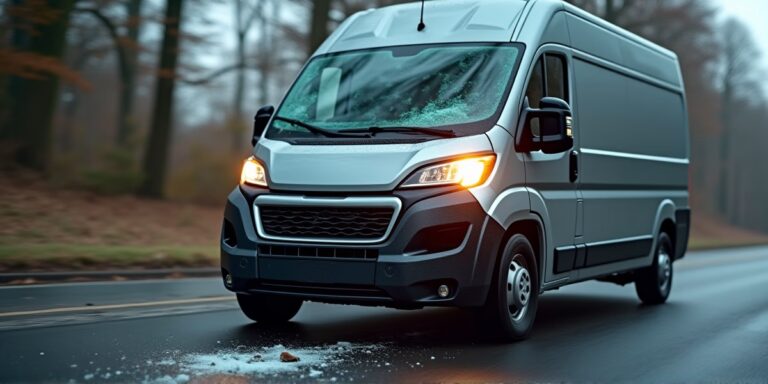
Construction vehicle accidents present a unique set of liability challenges. Unlike a typical car crash involving two private citizens, these incidents often involve multiple parties – the driver, the construction company, the vehicle owner, and potentially even government entities. Determining who is responsible for your injuries and damages requires a thorough investigation and a deep understanding of California law.
One of the first steps in evaluating a construction vehicle accident claim is identifying all potentially liable parties. This includes the driver of the construction vehicle, who may be negligent for speeding, distracted driving, or failing to properly maintain the vehicle. However, the driver is rarely the sole responsible party. Often, the construction company itself bears significant liability for the actions of its employees or subcontractors.
I’ve spent over 13 years representing clients injured in San Diego, and I’ve seen firsthand how insurance companies attempt to minimize payouts in these complex cases. Having been trained by a former insurance defense attorney, I understand the tactics they use to devalue claims and deny legitimate compensation. It’s crucial to have an advocate who knows how to navigate these challenges and protect your rights.
What types of companies can be held liable in a construction vehicle accident?
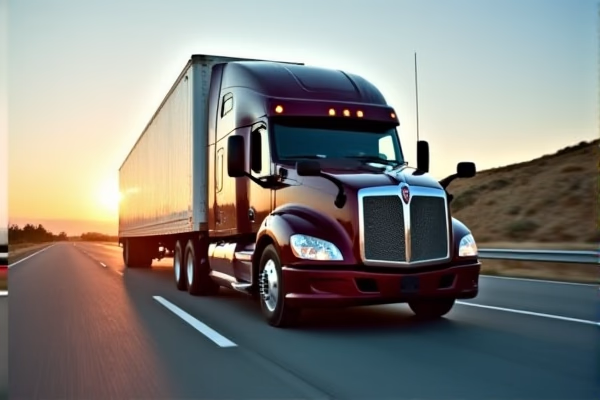
Liability isn’t limited to the immediate employer of the driver. Several entities can be held responsible for damages resulting from a construction vehicle accident. This can include the general contractor overseeing the project, subcontractors hired to perform specific tasks, and even the owners of the construction equipment if it was improperly maintained. In some cases, the vehicle manufacturer could be liable if a defect contributed to the accident.
Furthermore, if the construction company violated safety regulations or failed to provide adequate training to its employees, they can be held directly liable for negligence. This is especially true if the accident occurred due to a known hazard that the company failed to address. Establishing a clear link between the company’s negligence and your injuries is paramount to a successful claim.
The concept of **vicarious liability** (respondeat superior) comes into play frequently in these cases. Under Civ. Code § 2338, a principal is responsible to third persons for the negligence of their agent in the transaction of business. This means the trucking company legally liable for the wrongful acts of its drivers committed within the scope of their employment.
How does negligent hiring or training factor into liability?
A construction company has a duty to ensure that its drivers are competent and qualified to operate heavy machinery safely. If a company hires an inexperienced driver, fails to conduct a thorough background check, or provides inadequate training, they can be held liable for negligent hiring or training. This is particularly relevant if the driver has a history of traffic violations or a poor driving record.
Proving negligent hiring or training often requires obtaining the driver’s personnel file, training records, and any documentation related to their qualifications. We often utilize discovery tools to uncover evidence of inadequate screening processes or insufficient safety protocols. This is critical in cases where the driver has a history of FMCSA violations or lacked the proper CDL endorsements, as outlined in CACI No. 426.
In San Diego, we frequently see cases where construction companies cut corners on training to save time and money. This negligence can have devastating consequences for innocent drivers and passengers.
What if the accident involved a government-owned vehicle or roadway?
Accidents involving government-owned vehicles or dangerous road conditions maintained by a public entity introduce another layer of complexity. In these situations, you typically need to file a formal administrative claim with the government agency before you can pursue a lawsuit.
California law imposes strict deadlines for filing these claims. Under Gov. Code § 911.2, a formal administrative claim **MUST** be presented within **6 months** (180 days). Failure to meet this strict deadline under the Government Tort Claims Act can result in the permanent loss of your right to recover.
These claims are often denied initially, requiring you to file a lawsuit to protect your rights. Navigating the Government Tort Claims Act requires specialized knowledge and experience, making it essential to consult with an attorney as soon as possible.
Can I recover damages if I was partially at fault for the accident?
California operates under a ‘pure’ comparative fault system, meaning you can still recover damages even if you shared some responsibility for the accident. However, your total compensation will be reduced by your percentage of fault. For example, if you are found to be 30% at fault, your damages will be reduced by 30%.
Insurance companies will often attempt to assign a higher percentage of fault to the injured party to minimize their payout. It’s crucial to have an attorney who can thoroughly investigate the accident, gather evidence, and present a strong defense against these claims. Under Civ. Code § 1714, your compensation will be reduced by your percentage of fault.
Establishing the full extent of the other party’s negligence is key to maximizing your recovery, even if you bear some responsibility for the incident.
What evidence is important to preserve after a construction vehicle accident?
Preserving evidence is crucial in any accident claim, but it’s especially important in construction vehicle accidents where multiple parties may be involved. This includes photographs of the accident scene, vehicle damage, and your injuries. Obtain the names and contact information of any witnesses, and if possible, secure any video footage of the accident, such as dashcam recordings or surveillance camera footage.
Additionally, it’s important to document any medical treatment you receive, including doctor’s reports, therapy records, and bills. Keep a detailed record of your lost wages and any other expenses related to the accident. Evidence preservation and documentation timelines are critical, as spoliation letters may be needed to prevent the destruction of crucial data, such as ELD data.
Don’t hesitate to contact an attorney as soon as possible to discuss your case and ensure that all necessary evidence is preserved.
What is the statute of limitations for filing a lawsuit after a truck accident in California?
California law provides a **two-year** window from the date of the truck accident to file a lawsuit. Because trucking companies often begin evidence destruction (like purging ELD data) as soon as the law allows, immediate filing is critical to preserve the integrity of the claim. This is outlined in CCP § 335.1.
Missing this deadline can result in the permanent loss of your right to recover compensation for your injuries and damages. It’s essential to consult with an attorney as soon as possible to ensure that your claim is filed within the statutory timeframe.
The complexities of construction vehicle accidents require a skilled legal advocate. If you’ve been injured in a crash involving a construction vehicle in San Diego, contact me today for a free consultation.