Who Is Responsible For A Jackknife Accident In San Diego?

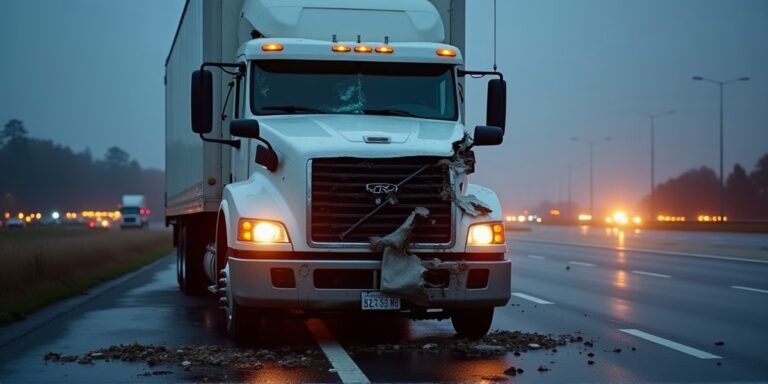
Determining responsibility in a jackknife accident is rarely straightforward. Unlike a typical rear-end collision, liability isn’t always clear-cut. While the truck driver may be at fault, other parties could also share blame, including the trucking company, the manufacturer of the truck or its components, or even a government entity responsible for road maintenance. A thorough investigation is critical to identify all potentially responsible parties and maximize your recovery.
Jackknife accidents often occur due to a combination of factors. These can include improper cargo securement, inadequate driver training, failure to properly maintain the vehicle’s braking system, exceeding safe speeds for road conditions, or even a mechanical defect. Because of the complexity of these cases, it’s essential to work with an attorney experienced in trucking litigation.
I’ve been practicing personal injury law in San Diego for over 13 years, and I’ve seen firsthand how insurance companies attempt to minimize payouts in truck accident cases. I was trained by a former insurance defense attorney, giving me intimate knowledge of how they evaluate, devalue, and deny claims. This insight allows me to build a strong case on your behalf and fight for the full compensation you deserve.
What evidence is needed to prove liability in a San Diego jackknife accident?
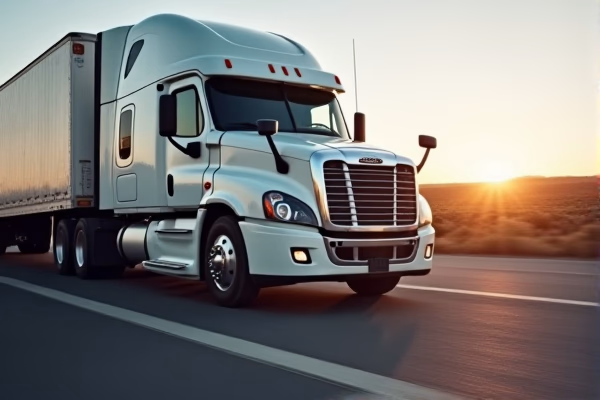
Gathering sufficient evidence is paramount in establishing liability. This includes the police report, witness statements, photos and videos of the accident scene, the truck’s “black box” data (Electronic Control Module or ECM), and the driver’s logbooks. The ECM data can reveal critical information about the truck’s speed, braking patterns, and any potential violations of federal Hours of Service regulations. We often work with accident reconstruction experts to analyze the evidence and determine the cause of the jackknife.
Additionally, obtaining the truck’s maintenance records is crucial. These records can reveal any prior mechanical issues or neglected repairs that contributed to the accident. We also investigate the driver’s history, including their CDL record and any past violations. Finally, securing dashcam footage from the truck itself, or nearby vehicles, can provide invaluable evidence.
Can I sue the trucking company directly after a jackknife accident?
Generally, you can sue the trucking company directly under the doctrine of **vicarious liability** (respondeat superior). Civ. Code § 2338 states that a principal is responsible to third persons for the negligence of their agent in the transaction of business. This means the trucking company can be held liable for the negligent actions of its drivers while they are on duty. However, proving the driver was acting within the scope of their employment is essential.
Beyond vicarious liability, the trucking company may also be directly liable for negligent hiring, training, or supervision. If the company failed to properly vet the driver’s background, provide adequate training, or enforce safety regulations, they can be held responsible for the resulting damages.
What if the jackknife accident was caused by a defective truck part?
If a defective truck part contributed to the jackknife accident, you may have a claim against the manufacturer of that part. This falls under the legal theory of product liability. To succeed in a product liability claim, you must demonstrate that the part was defective in its design, manufacturing, or marketing, and that this defect directly caused the accident and your injuries.
These cases often involve complex engineering analysis and expert testimony. We work with qualified experts to identify the defect and establish a clear link between the defect and the accident. The manufacturer may also be liable if they failed to adequately warn users about potential dangers associated with the part.
What is the statute of limitations for filing a lawsuit after a truck accident in California?
California law provides a **two-year** window from the date of the truck accident to file a lawsuit. CCP § 335.1 outlines these time limits. Because trucking companies often begin evidence destruction (like purging ELD data) as soon as the law allows, immediate filing is critical to preserve the integrity of the claim.
It’s important to note that the statute of limitations can be complex, especially in cases involving government entities or multiple defendants. Delaying the filing of your lawsuit could result in the permanent loss of your right to recover compensation.
What should I do if the insurance company asks me to give a recorded statement?
I strongly advise against giving a recorded statement to the insurance company without first consulting with an attorney. Insurance adjusters are trained to ask leading questions designed to minimize their liability. They may attempt to trick you into making statements that could harm your case. They are not on your side.
A recorded statement can be used against you later in the claims process or even in court. Let me handle all communications with the insurance company on your behalf. I will protect your rights and ensure that you are not taken advantage of.