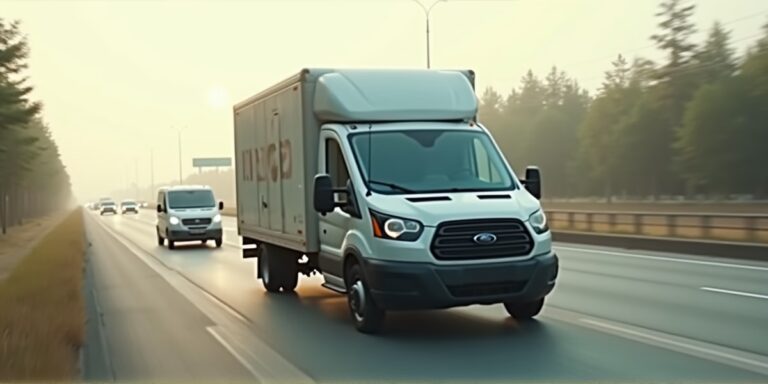
What Evidence Is Important After An Amazon Delivery Accident?

Amazon delivery accidents are often more complex than typical car crashes. While Amazon uses independent contractors for many deliveries, that doesn’t automatically shield them from liability. In fact, Amazon maintains a significant degree of control over its delivery network, and this control can make them responsible for the negligence of their drivers. Establishing that liability requires a thorough investigation and a strong understanding of the evidence needed to build a successful claim.
The first thing to understand is that Amazon will immediately launch its own investigation. They have a team dedicated to minimizing payouts on these types of accidents. This means they’ll be gathering evidence to protect their interests, and you need to do the same. Don’t wait for them to control the narrative. Proactive evidence collection is the key to leveling the playing field.
I’ve been practicing personal injury law in San Diego for over 13 years, and I’ve seen firsthand how insurance companies evaluate, devalue, and deny claims. I was even trained by a former insurance defense attorney, giving me intimate knowledge of their tactics and strategies. This experience allows me to anticipate their moves and build a stronger case for my clients.
What types of evidence should I collect after an Amazon delivery accident?
Collecting comprehensive evidence is paramount. Start with the basics: the police report, photos of the damage to all vehicles involved, and witness contact information. However, don’t stop there. Amazon delivery vehicles are often equipped with dashcams, and obtaining this footage is crucial. If the driver was using a handheld device, phone records can be invaluable. Also, document your injuries thoroughly with medical records, bills, and a detailed account of your pain and suffering.
Beyond the immediate aftermath, consider the driver’s work history. Were they properly vetted? Did they have a history of violations? Amazon maintains extensive records on its drivers, and obtaining these records can reveal critical information about their qualifications and driving habits. It’s also important to document any lost wages or earning capacity resulting from your injuries. A comprehensive approach to evidence collection is essential for maximizing your potential recovery.
Remember, insurance companies are skilled at finding loopholes and minimizing payouts. They may attempt to argue that the driver was an independent contractor, that your injuries are not as severe as you claim, or that you were partially at fault for the accident. Having a strong evidentiary foundation will help you overcome these challenges and secure the compensation you deserve.
Can I request dashcam footage from the Amazon delivery van?
Yes, you absolutely can request dashcam footage, but it’s not always straightforward. Amazon is not always forthcoming with this information, and they may require a formal legal request through a subpoena. This is where having an attorney on your side is invaluable. We can navigate the legal process and compel Amazon to produce the footage if it exists. The dashcam footage can provide irrefutable evidence of the accident, including the driver’s actions leading up to the collision.
It’s important to act quickly when requesting dashcam footage. Amazon has policies in place for data retention, and the footage may be overwritten after a certain period. Don’t delay in seeking legal counsel and initiating the request. The sooner you obtain the footage, the better your chances of preserving critical evidence.
What if the Amazon driver claims I was at fault?
Comparative negligence is a common tactic used by insurance companies to reduce payouts. If the Amazon driver claims you were partially at fault for the accident, it’s crucial to gather evidence that contradicts their claims. This may include witness statements, photos of the accident scene, and expert testimony. California’s ‘pure’ comparative fault system allows you to recover damages even if you were partially at fault, but your compensation will be reduced by your percentage of fault. Civ. Code § 1714 dictates this process.
It’s important to remember that the burden of proof lies with the insurance company to demonstrate your negligence. Don’t accept their version of events without challenging it. A thorough investigation and a strong legal defense are essential for protecting your rights and maximizing your potential recovery.
What role do Electronic Logging Devices (ELDs) play in Amazon accident claims?
Electronic Logging Devices (ELDs) record a driver’s hours of service, providing a detailed account of their driving activity. This data can be crucial in determining whether the driver was fatigued at the time of the accident. Federal Hours of Service (HOS) regulations dictate exactly how long a driver can be behind the wheel, and violations of these regulations can be strong evidence of negligence.
Obtaining ELD data can be challenging, as Amazon may resist providing it. However, with a properly issued subpoena, we can compel them to produce the data. Analyzing the ELD data can reveal critical information about the driver’s work schedule, rest periods, and potential violations of federal safety standards. This evidence can be invaluable in building a strong case against Amazon.
What if I have workers’ compensation benefits – can I still sue Amazon?
If you were injured while working as a delivery driver for Amazon, you may be entitled to workers’ compensation benefits. However, workers’ compensation is generally the exclusive remedy against your employer. This means you typically cannot sue Amazon directly for your injuries. Labor Code § 3600 outlines these benefits. However, you may still be able to pursue a separate claim against a negligent third party, such as another driver or a manufacturer of a defective vehicle.
Determining whether you have a valid third-party claim requires a thorough investigation of the accident. We can help you identify all potential liable parties and pursue all available avenues of recovery. Don’t assume that workers’ compensation is your only option. A consultation with an experienced attorney can help you understand your rights and explore all your legal options.