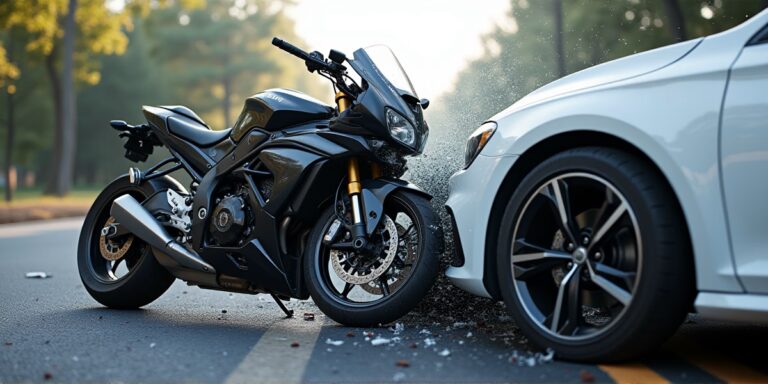
Can Aftermarket Modifications Affect My Claim?

Aftermarket modifications are a common practice among motorcycle enthusiasts, allowing riders to personalize their bikes and enhance performance. However, these alterations can introduce complexities when filing a personal injury claim following an accident. Insurance companies often scrutinize modifications, seeking any justification to reduce or deny coverage. It’s crucial to understand how these changes might be perceived and how to protect your rights.
The core issue isn’t necessarily the modification itself, but whether it directly contributed to the cause of the accident. An insurance adjuster will attempt to establish a link between the alteration and the collision. For example, if a modified brake system failed, leading to an inability to stop, they might argue the modification was a substantial factor in the crash. Similarly, a change to the motorcycle’s handling that made it less stable could be cited if loss of control was a factor.
I’ve spent over 13 years representing motorcycle accident victims in San Diego, and I’ve seen firsthand how insurance companies leverage modifications to devalue claims. Trained by a former insurance defense attorney, I understand their tactics intimately – how they evaluate, devalue, and deny claims. They’ll often hire experts to examine the motorcycle and provide opinions that support their position. This is why proactive documentation and a thorough understanding of your legal options are paramount.
Will My Insurance Company Deny My Claim Because of Modifications?

Not automatically. The presence of aftermarket modifications doesn’t automatically disqualify you from recovery. Insurance companies must prove that the modification was a direct cause of the accident. They can’t simply assume negligence because you altered your bike. However, they will investigate thoroughly, and it’s vital to be prepared.
Documentation is key. Keep records of all modifications, including receipts, installation dates, and any certifications or approvals. If the modification was professionally installed, obtain a statement from the mechanic confirming it was done correctly and met all safety standards. This can help counter any claims of improper installation or faulty workmanship.
What Types of Modifications Are Most Likely to Be Questioned?
Modifications that affect the core safety systems of the motorcycle are the most likely to be scrutinized. This includes changes to the brakes, suspension, steering, lighting, and engine performance. While cosmetic modifications are less likely to be an issue, any alteration that could potentially impact the bike’s handling or safety should be documented.
Performance upgrades, such as engine tuning or exhaust systems, can also raise red flags, particularly if they were not performed by a qualified mechanic or if they voided any manufacturer warranties. The insurance company might argue that these modifications made the motorcycle more difficult to control or increased the risk of an accident.
How Can I Protect My Claim If I Have Aftermarket Modifications?
The best defense is a strong offense. Immediately after the accident, gather all documentation related to your modifications. This includes receipts, installation records, and any certifications. If possible, obtain a statement from the mechanic who performed the work, confirming it was done correctly and met all safety standards. It’s also crucial to document the circumstances of the accident thoroughly, including any witness statements and police reports.
Furthermore, consider having your motorcycle inspected by an independent expert who can provide an unbiased assessment of the modifications and their impact on the accident. This expert can testify on your behalf and counter any claims made by the insurance company’s expert. Finally, it’s essential to consult with an experienced attorney who can guide you through the claims process and protect your rights.
What If the Insurance Company Claims the Modification Voided My Warranty?
A voided warranty doesn’t automatically negate your claim. The insurance company is concerned with the cause of the accident, not whether your motorcycle was covered under warranty. However, they might use the voided warranty as evidence that the modification was improperly installed or altered the bike’s safety features. This is where documentation becomes even more critical. If you can prove the modification was done correctly and met all safety standards, you can counter this argument.
It’s also important to note that the Magnuson-Moss Warranty Act protects consumers from having their warranties automatically voided simply because they used aftermarket parts. The manufacturer must prove that the modification directly caused the failure of the covered component. This can be a difficult burden for them to meet.
Can I Still Recover Damages If I Was Partially at Fault Due to a Modification?
Yes, California operates under a ‘pure’ comparative fault system, meaning you can still recover damages even if you were partially at fault for the accident. However, your total compensation will be reduced by your percentage of fault. For example, if you were found to be 30% at fault due to a modification, you would only recover 70% of your total damages. Civ. Code § 1714
The insurance company will likely attempt to maximize your percentage of fault to reduce their payout. This is why it’s crucial to have an experienced attorney on your side who can negotiate on your behalf and protect your rights. They can challenge the insurance company’s claims and present evidence that minimizes your fault.
What Should I Do If the Other Driver Was Uninsured?
If the at-fault driver was uninsured, your own insurance policy’s Uninsured Motorist (UM) coverage will become your primary source of recovery. UM coverage protects you when you’re hit by a driver with no insurance. It’s important to review your policy to understand your UM limits and the process for filing a claim. Ins. Code § 11580.2
Even with UM coverage, the insurance company may still scrutinize your modifications. It’s crucial to have all the necessary documentation and consult with an attorney to protect your rights. They can help you navigate the claims process and ensure you receive the full compensation you deserve.
What If the Accident Involved a Government Vehicle or Road Hazard?
If the accident involved a government-owned vehicle or a dangerous road condition like potholes or poorly marked construction zones, a formal administrative claim **MUST** be presented within **6 months** (180 days) to the relevant government agency. Failure to meet this strict deadline under the Government Tort Claims Act can result in the permanent loss of your right to recover. Gov. Code § 911.2
These claims are often complex and require specific documentation. It’s essential to consult with an attorney experienced in government liability cases to ensure your claim is properly filed and supported.
How Does California’s Lane Splitting Law Affect Claims with Modifications?
California law formally recognizes lane splitting as legal, defined as driving a motorcycle between rows of stopped or moving vehicles in the same lane. In accident litigation, proving that the maneuver was performed ‘in a safe and prudent manner’ is essential to rebutting claims of rider negligence. CVC § 21658.1
If you were lane splitting at the time of the accident, the insurance company may attempt to argue that your modifications contributed to the collision. For example, they might claim that the modifications made the motorcycle wider or more difficult to control, increasing the risk of an accident while lane splitting. It’s crucial to have evidence that your modifications did not affect your ability to lane split safely.