Can Expert Testimony Validate Lane Splitting Safety?

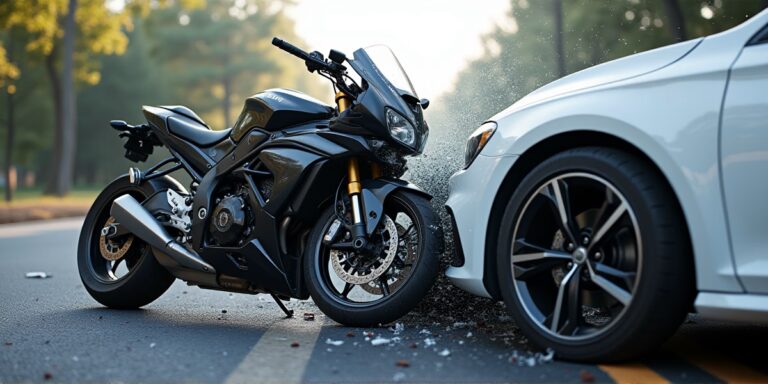
Motorcycle accident claims involving lane splitting present unique challenges. Unlike typical car-on-car collisions, establishing negligence often hinges on demonstrating that the rider operated the motorcycle safely and prudently. While California law permits lane splitting, it doesn’t automatically absolve riders of responsibility. The defense will scrutinize every aspect of the maneuver, looking for any evidence of excessive speed, improper positioning, or failure to yield. This is where expert testimony can be invaluable.
An expert witness, specifically a motorcycle accident reconstructionist, can provide a neutral, objective analysis of the crash. They’ll examine the scene, review police reports, analyze vehicle damage, and assess the rider’s speed and trajectory. Crucially, they can explain the physics of lane splitting, demonstrating why Javier’s actions were reasonable under the circumstances. This testimony can counter the insurance company’s attempts to portray him as a reckless rider and bolster his claim for full compensation.
I’ve been practicing personal injury law in San Diego for over 13 years, and I’ve seen firsthand how insurance companies attempt to devalue or deny legitimate claims. I was trained by a former insurance defense attorney, giving me intimate knowledge of how they evaluate, devalue, and deny claims. This insight allows me to anticipate their strategies and build a stronger case for my clients.
Can an Accident Reconstructionist Prove I Was Lane Splitting Safely?
Yes, a qualified accident reconstructionist can analyze the specifics of your lane-splitting maneuver and provide expert testimony to support your claim. They’ll consider factors like traffic density, your speed relative to surrounding vehicles, and the other driver’s actions. Their report will detail whether your lane splitting was within the bounds of reasonable safety, even if the other driver was also negligent. This is particularly important when the other driver claims they didn’t see you or that you were traveling too fast.
The expert will often use computer simulations and mathematical formulas to recreate the accident and demonstrate the feasibility of your actions. They can also analyze the braking distances of both vehicles, helping to determine if the other driver had sufficient time to avoid the collision. A well-prepared reconstruction report can significantly strengthen your position during negotiations or at trial.
What Types of Evidence Do Experts Rely On?
Accident reconstructionists rely on a variety of evidence to form their opinions. This includes the police report, witness statements, photographs of the scene, vehicle damage assessments, and medical records. However, increasingly, they are utilizing data from vehicle event data recorders (EDR), commonly known as “black boxes.” These recorders capture crucial information about speed, braking, and steering inputs leading up to the crash.
Dashcam footage, if available, is also incredibly valuable. It provides a visual record of the events leading up to the collision, offering irrefutable evidence of the other driver’s actions and your lane-splitting maneuver. Even GPS data from your motorcycle can help establish your speed and location at the time of the accident. Preserving this evidence is critical, and I advise clients to secure it as soon as possible.
How Much Does Expert Testimony Cost?
Expert witness fees can vary significantly depending on the complexity of the case and the expert’s qualifications. Typically, you can expect to pay an hourly rate for their time, plus expenses for travel, report preparation, and court testimony. The cost can range from a few thousand dollars for a simple report to tens of thousands of dollars for a complex reconstruction and trial testimony. However, the investment can be well worth it if it strengthens your claim and leads to a larger settlement or verdict.
Many personal injury attorneys, including myself, work on a contingency fee basis, meaning you only pay if we recover compensation for you. We’ll typically advance the costs of expert witness fees and other litigation expenses, and those costs are deducted from your settlement or award. This allows you to pursue your claim without having to worry about upfront costs.
What If the Insurance Company Uses Their Own Expert?
Insurance companies frequently hire their own experts to counter the claims of injured riders. It’s common for them to present conflicting opinions, attempting to downplay your injuries or shift blame onto you. This is where having a strong, credible expert of your own is crucial. We’ll carefully review their report, identify any flaws in their methodology, and prepare a rebuttal to their findings.
Cross-examination is a critical component of trial testimony. I have extensive experience cross-examining opposing experts, exposing their biases and weaknesses in their opinions. By effectively challenging their testimony, we can persuade the jury to accept our expert’s findings and award you the compensation you deserve.
What Role Does California Vehicle Code § 21658.1 Play in Expert Testimony?
California Vehicle Code § 21658.1 formally recognizes lane splitting as legal, but it also emphasizes that it must be done ‘in a safe and prudent manner.’ An expert witness can help demonstrate that your lane splitting met this standard. They’ll analyze the specific conditions of the road, traffic flow, and your speed to determine if your actions were reasonable under the circumstances.
The expert can also explain how lane splitting is a common practice among motorcyclists and that it can actually improve safety by reducing congestion and the risk of rear-end collisions. This testimony can help educate the jury about the benefits of lane splitting and counter any negative perceptions they may have.
What Happens If the Other Driver Claims They Didn’t See Me?
It’s common for drivers to claim they didn’t see the motorcyclist, especially in lane-splitting accidents. However, this doesn’t automatically absolve them of responsibility. Drivers have a duty to be aware of their surroundings and to exercise reasonable care while operating their vehicle. An expert witness can analyze the visibility conditions, the other driver’s speed, and their reaction time to determine if they should have seen you.
They can also assess whether the driver was distracted or impaired, which could have contributed to their failure to see you. If the expert determines that the driver was negligent, it strengthens your claim for compensation, even if they claim they didn’t see you.
How Long Do I Have to File a Motorcycle Accident Claim in San Diego?
In California, you have a **two-year** window from the date of the motorcycle accident to file a lawsuit for personal injury. Because evidence at a crash scene—such as skid marks or GoPro footage—can disappear quickly, immediate filing is critical to preserve the integrity of the claim. CCP § 335.1. Don’t delay seeking legal counsel, as missing this deadline can result in the permanent loss of your right to recover.
What If the Accident Involved a Government Vehicle or Road Hazard?
If a motorcycle accident involves a government-owned vehicle or a dangerous road condition like loose gravel, potholes, or poorly marked construction zones, a formal administrative claim **MUST** be presented within **6 months** (180 days). Failure to meet this strict deadline under the Government Tort Claims Act can result in the permanent loss of your right to recover. Gov. Code § 911.2. I have extensive experience handling claims against government entities and ensuring that all deadlines are met.
What Should I Do If the Insurance Company Asks for a Recorded Statement?
Insurance companies often request recorded statements from injured riders. While you are not legally obligated to provide one, they may use it to try and downplay your injuries or find inconsistencies in your account of the accident. I strongly advise against providing a recorded statement without first consulting with an attorney. They are trained to ask leading questions and elicit information that can be used against you.
I can advise you on whether to provide a statement and, if so, how to answer questions in a way that protects your claim. It’s important to remember that anything you say can be used against you, so it’s best to have legal representation before speaking with the insurance company.
What If I Have Medical Liens That Need to Be Resolved?
Medical liens are claims that healthcare providers have against your settlement to recover the costs of treating your injuries. These liens can significantly reduce the amount of money you ultimately receive. I have extensive experience negotiating with medical providers and insurance companies to resolve medical liens in a fair and reasonable manner.
California law limits the amount a health insurance company or medical provider can claim from your settlement via a lien. These ‘anti-subrogation’ protections ensure that the injured rider retains a fair portion of their recovery after medical bills are addressed. Civ. Code § 3040.