Are Lane Splitting Accidents Treated Differently Under California Law?

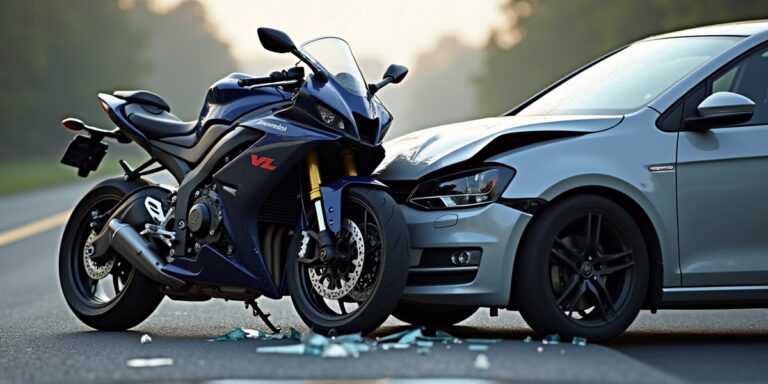
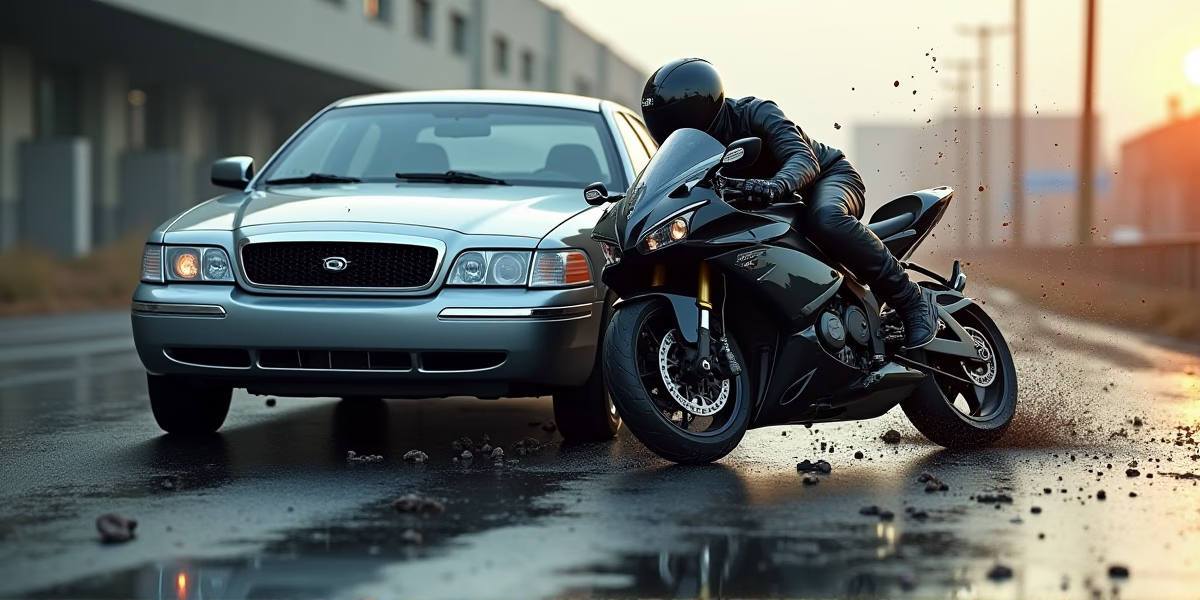
Lane-splitting, the practice of motorcyclists riding between rows of traffic, is a unique aspect of California driving. While legal, it often leads to complex accident claims. The key to understanding how these cases are treated lies in establishing negligence and proving the other driver’s fault. Unlike a typical rear-end collision where liability is often clear, lane-splitting accidents frequently involve disputes over who had the right-of-way and whether the motorcyclist acted reasonably.
Insurance companies are notorious for attempting to minimize payouts in lane-splitting cases. They often argue the rider assumed the risk by lane-splitting, or that the rider was speeding or weaving erratically. This is where having an attorney experienced in motorcycle accidents is crucial. We’ve seen countless cases where initial denials were overturned with proper evidence and a thorough understanding of California’s lane-splitting laws.
I’ve been practicing personal injury law in San Diego for over 13 years, and I’ve dedicated a significant portion of my practice to representing motorcyclists. Having been trained by a former insurance defense attorney, I have intimate knowledge of how insurance companies evaluate, devalue, and deny claims. This insight allows me to anticipate their tactics and build a strong case on your behalf.
What evidence is most important in a lane-splitting accident claim?
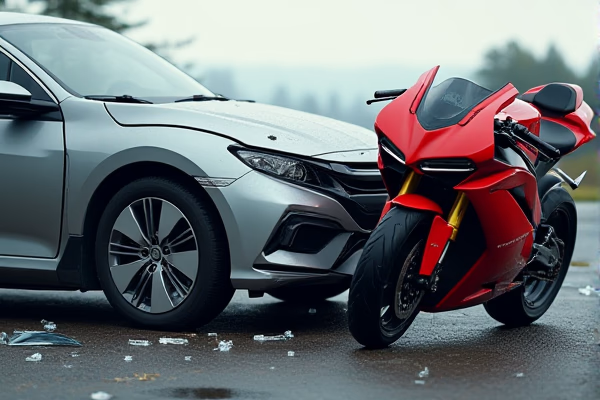
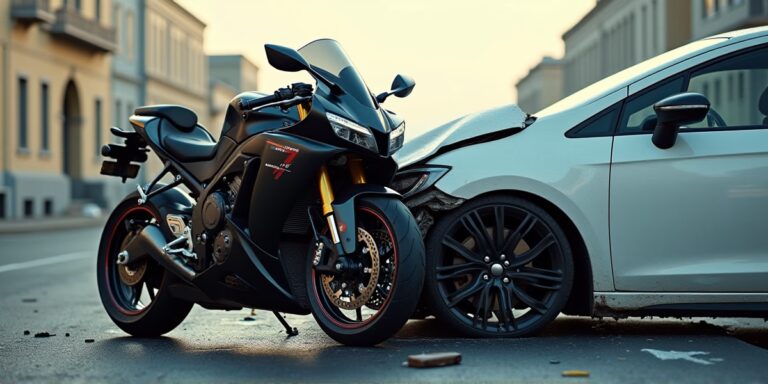
Documenting the scene is paramount. Police reports are helpful, but often lack the detail needed to accurately reconstruct the event. Photos and videos of the accident location, damage to both vehicles, and any visible injuries are essential. Witness statements can also be incredibly valuable, especially if they corroborate your version of events. However, the most compelling evidence often comes from dashcam footage, both from your motorcycle and any surrounding vehicles. If you have a GoPro or other recording device, preserve the footage immediately.
Additionally, obtaining the vehicle’s Event Data Recorder (EDR) data can reveal crucial information about speed, braking, and lane positioning leading up to the collision. This data is often stored in the car’s computer and can be accessed with the proper tools and expertise. Finally, any medical records documenting your injuries and treatment are vital to establishing the extent of your damages.
How does California law view lane-splitting in determining fault?
California Vehicle Code § 21658.1 formally recognizes lane-splitting as legal, defined as driving a motorcycle between rows of stopped or moving vehicles in the same lane. However, the law also stipulates that it must be done “in a safe and prudent manner.” This is where the legal battles often begin. Insurance companies will scrutinize every aspect of your lane-splitting maneuver, looking for any evidence of negligence. They will attempt to argue that you were speeding, weaving aggressively, or failed to adequately assess the surrounding traffic.
To successfully pursue a claim, you must demonstrate that you were operating your motorcycle responsibly and within the bounds of the law. This includes maintaining a reasonable speed, signaling your intentions, and exercising due care to avoid collisions. Expert testimony from accident reconstruction specialists can be invaluable in proving that your lane-splitting maneuver was safe and prudent.
What if the other driver claims they didn’t see me while I was lane-splitting?
The argument that the other driver “didn’t see you” is a common defense tactic. However, California drivers have a duty to be aware of their surroundings at all times, including motorcycles lane-splitting. Simply claiming ignorance doesn’t absolve them of responsibility. We often counter this argument by highlighting the driver’s negligence in failing to properly scan the roadway and maintain a safe following distance.
Furthermore, we investigate whether the driver was distracted, speeding, or otherwise violating traffic laws. Evidence of such violations can significantly strengthen your claim. It’s also important to note that the driver’s insurance company may attempt to downplay the severity of your injuries, arguing that you were lucky to avoid a more serious collision. We aggressively challenge these attempts by presenting compelling medical evidence and expert testimony.
Can my own actions affect my ability to recover damages in a lane-splitting accident?
California’s ‘pure’ comparative fault system applies to motorcycle claims. Even if a driver argues you shared responsibility due to speed or positioning, you can still recover damages; however, your total compensation will be reduced by your percentage of fault. For example, if you are found to be 20% at fault, you can still recover 80% of your damages. This is why it’s crucial to have an attorney who can thoroughly investigate the accident and minimize your percentage of fault.
Common factors that can contribute to comparative fault include excessive speed, weaving erratically, or failing to signal your intentions. However, even if you made a mistake, it doesn’t necessarily mean you are barred from recovery. The key is to demonstrate that the other driver’s negligence was the primary cause of the collision. Civ. Code § 1714 outlines the principles of comparative negligence in California.
What should I do immediately after a lane-splitting accident?
First, prioritize your safety. Move your motorcycle to a safe location if possible, and seek medical attention immediately, even if you don’t feel seriously injured. Adrenaline can mask pain, and some injuries may not be immediately apparent. Next, call the police and file a report. Be sure to document the accident location, damage to both vehicles, and any witness information.
Finally, and most importantly, **do not** speak to the other driver’s insurance company without first consulting with an attorney. Insurance adjusters are trained to minimize payouts, and they may attempt to trick you into making statements that could harm your claim. Contact an experienced San Diego motorcycle accident attorney as soon as possible to protect your rights.
What if the other driver was uninsured?
If the at-fault driver lacks insurance, you may be able to recover damages through your own Uninsured Motorist (UM) coverage. This coverage protects you in the event of a collision with an uninsured driver. However, navigating the UM claim process can be complex, and insurance companies often attempt to deny or undervalue these claims. It’s crucial to have an attorney who understands the intricacies of UM coverage and can fight for your full recovery.
Furthermore, we will investigate whether the driver has any assets that can be pursued through a lawsuit. Even if they lack insurance, they may still be personally liable for your damages. Ins. Code § 11580.2 details the requirements for Uninsured Motorist coverage in California.
How long do I have to file a lawsuit after a lane-splitting accident?
California law provides a **two-year** window from the date of the motorcycle accident to file a lawsuit for personal injury. Because evidence at a crash scene—such as skid marks or GoPro footage—can disappear quickly, immediate filing is critical to preserve the integrity of the claim. Waiting too long can jeopardize your ability to recover damages, as witnesses’ memories fade and evidence may be lost.
Additionally, if the accident involved a government-owned vehicle or a dangerous road condition, the filing deadline may be even shorter. CCP § 335.1 outlines the statute of limitations for personal injury claims in California.