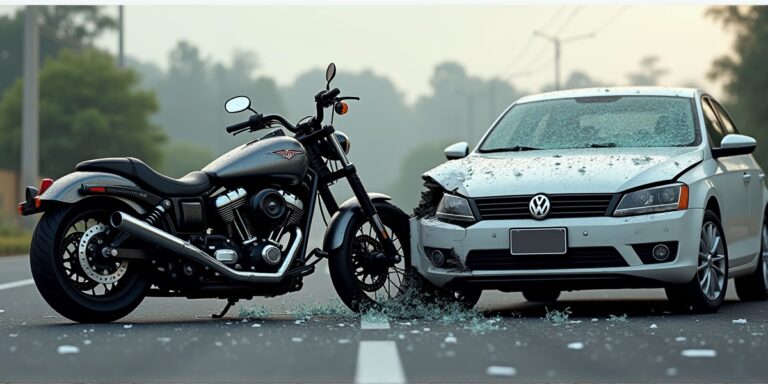
Are Motorcycle Accidents Common In San Diego?

Motorcycle accidents are, unfortunately, a frequent occurrence in San Diego. Our city’s beautiful weather and popular riding routes attract many motorcyclists, but this also means increased traffic congestion and a higher risk of collisions with other vehicles. While California law strives to protect riders, the reality is that motorcyclists are disproportionately vulnerable in accidents, often suffering severe injuries due to the lack of protective barriers.
The reasons for this increased risk are multifaceted. Drivers often fail to see motorcycles, misjudge their speed, or simply don’t respect their right-of-way. Lane splitting, while legal in California, can also contribute to accidents if not performed safely and prudently. Understanding the common causes of these accidents is the first step in protecting your rights if you’ve been injured.
As a personal injury attorney with over 13 years of experience practicing in San Diego, I’ve seen firsthand the devastating impact these accidents have on individuals and their families. I was trained by a former insurance defense attorney, giving me intimate knowledge of how insurance companies evaluate, devalue, and deny claims. This insight allows me to build strong cases and fight for the maximum compensation my clients deserve.
What should I do immediately after a motorcycle accident in San Diego?
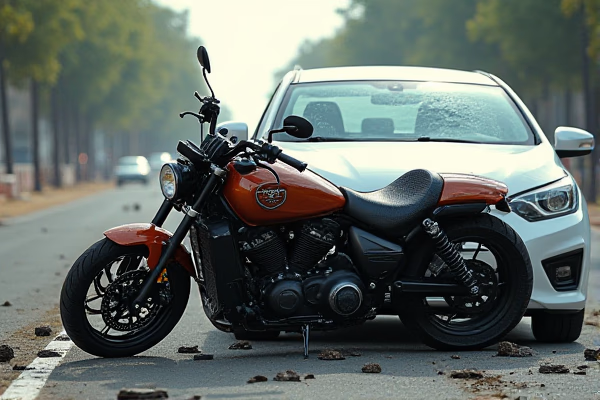
The immediate aftermath of a motorcycle accident is critical. Your priority should be your health and safety. If possible, move yourself and your motorcycle to a safe location away from traffic. Call 911 to report the accident and request medical attention, even if you don’t feel immediate pain. Many injuries, such as internal bleeding or concussion symptoms, may not be apparent right away.
Next, gather as much information as possible. Exchange insurance details with the other driver, obtain contact information for any witnesses, and document the scene with photos or videos. Be cautious about what you say to the other driver or the police; avoid admitting fault or speculating about the cause of the accident. It’s best to consult with an attorney before providing any official statements.
How does California’s lane splitting law affect accident claims?
California is unique in that it legally recognizes lane splitting, as defined in CVC § 21658.1. However, the legality of lane splitting doesn’t automatically absolve a rider of responsibility in an accident. Insurance companies will often scrutinize lane splitting maneuvers, attempting to argue that the rider was negligent or reckless.
To successfully pursue a claim after an accident while lane splitting, you must demonstrate that you were operating your motorcycle in a safe and prudent manner. This includes maintaining a reasonable speed, being aware of surrounding traffic, and ensuring sufficient space to maneuver. Evidence such as dashcam footage or witness testimony can be crucial in establishing this.
What if the other driver was uninsured or underinsured?
Being hit by an uninsured or underinsured driver is a common concern for motorcyclists. Fortunately, California law provides options for recovery in these situations. Your own insurance policy may include Uninsured Motorist (UM) and Underinsured Motorist (UIM) coverage, as outlined in Ins. Code § 11580.2. This coverage can compensate you for your medical bills, lost wages, and pain and suffering, up to the limits of your policy.
Even if you have UM/UIM coverage, navigating the claims process can be complex. An attorney can help you understand your policy limits, gather the necessary documentation, and negotiate with the insurance company to ensure you receive a fair settlement.
What role does comparative fault play in motorcycle accident cases?
California operates under a ‘pure’ comparative fault system, meaning you can recover damages even if you were partially at fault for the accident, as described in Civ. Code § 1714. However, your total compensation will be reduced by your percentage of fault. For example, if you are found to be 20% at fault, your recovery will be reduced by 20%.
Insurance companies will often attempt to assign a higher percentage of fault to the motorcyclist, even in cases where the driver was clearly negligent. Common tactics include arguing that you were speeding, improperly lane splitting, or not wearing a helmet. An attorney can investigate the accident, gather evidence to refute these claims, and protect your rights.
How long do I have to file a lawsuit after a motorcycle accident in California?
California law provides a **two-year** window from the date of the motorcycle accident to file a lawsuit for personal injury, as stated in CCP § 335.1. Because evidence at a crash scene—such as skid marks or GoPro footage—can disappear quickly, immediate filing is critical to preserve the integrity of the claim.
It’s important to note that this statute of limitations applies to the date of the accident, not the date you discover your injuries. If you’ve suffered delayed symptoms or require ongoing medical treatment, it’s crucial to consult with an attorney as soon as possible to ensure your claim is filed within the legal deadline.
What if the accident involved a government vehicle or a hazardous road condition?
If a motorcycle accident involves a government-owned vehicle or a dangerous road condition like loose gravel, potholes, or poorly marked construction zones, a formal administrative claim **MUST** be presented within **6 months** (180 days) under the Government Tort Claims Act, as detailed in Gov. Code § 911.2. Failure to meet this strict deadline can result in the permanent loss of your right to recover.
These claims are often complex and require specific documentation and procedures. An attorney experienced in government liability claims can help you navigate the process and ensure your claim is properly filed and supported.
Should I give a recorded statement to the insurance company?
Insurance companies frequently request recorded statements from accident victims. While you are not legally obligated to provide one, they often use these statements to gather information and potentially devalue your claim. It’s generally advisable to avoid giving a recorded statement without first consulting with an attorney.
Insurance adjusters are trained to ask leading questions and elicit information that could be used against you. An attorney can advise you on whether to provide a statement and, if so, prepare you for the questions you may face.
What happens with medical liens after a motorcycle accident settlement?
After a motorcycle accident, you may receive medical treatment from various providers, including hospitals, doctors, and physical therapists. These providers may place a lien on your settlement to ensure they are reimbursed for their services. California law limits the amount a health insurance company or medical provider can claim from your settlement via a lien, as outlined in Civ. Code § 3040.
An attorney can negotiate with medical providers to reduce the amount of the lien and ensure you are not overpaying for your medical bills. We can also help you understand your rights and options regarding medical liens and reimbursement claims.
What if I was wearing a helmet, but still suffered a head injury?
California is a universal helmet law state, requiring all riders and passengers to wear a safety helmet that meets DOT standards, as per CVC § 27803. While a violation may be used by defense counsel to argue for a reduction in damages via comparative fault—specifically regarding head or neck injuries—it does not bar a rider from seeking recovery for other injuries caused by a negligent driver.
The fact that you were wearing a helmet demonstrates your commitment to safety and can strengthen your claim. An attorney can argue that the helmet did not prevent all injuries due to the severity of the impact and that the driver’s negligence was the primary cause of your damages.