Can Character Evidence Be Introduced?

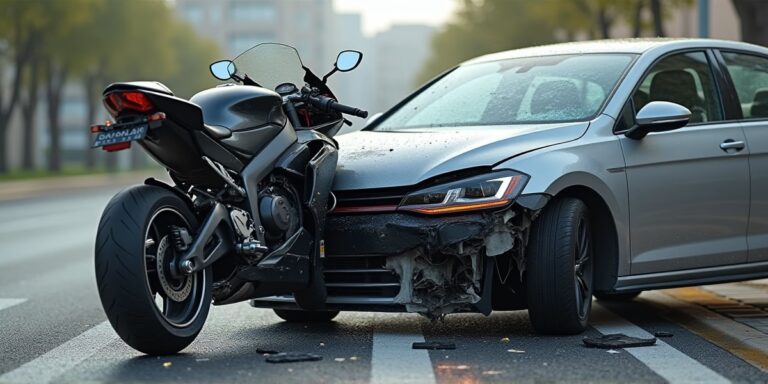
One of the most common questions I encounter from motorcyclists after a serious accident is whether the other driver’s character—their history of reckless behavior, prior tickets, or even rumors about their driving habits—can be used in court. The short answer is generally no, but the nuances are significant. California courts have strict rules about what evidence is admissible, and character evidence is often excluded to ensure a fair trial focused on the facts of the accident itself.
The general rule, codified in the California Evidence Code, is that you cannot introduce evidence of a person’s character to prove they acted in conformity with that character on a particular occasion. This means you can’t say, “He’s always been a reckless driver, so it’s no surprise he caused this accident.” That’s improper character evidence. However, there are exceptions. For example, if the defendant claims they are a careful driver, you can introduce evidence to contradict that claim. This is known as character evidence offered by the defendant themselves.
I’ve been practicing personal injury law in San Diego for over 13 years, and I’ve seen firsthand how insurance companies attempt to manipulate the evidence and minimize payouts. I was trained by a former insurance defense attorney, giving me intimate knowledge of how insurance companies evaluate, devalue, and deny claims. They understand these rules intimately and will exploit them to their advantage. That’s why it’s crucial to have an attorney who understands these complexities and can protect your rights.
Can Evidence of Prior Accidents Be Used?
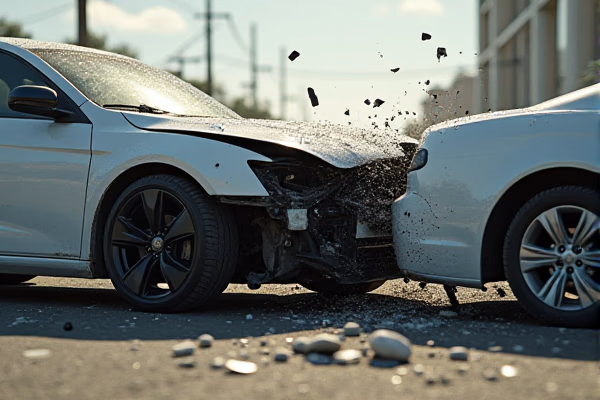
Evidence of prior accidents is often a gray area. Generally, prior accidents are inadmissible to show a driver’s bad character. However, if the prior accident is substantially similar to the current one—involving the same negligent act, like running a red light—it *might* be admissible to demonstrate a pattern of behavior or to show the driver had notice of a dangerous condition. This is a complex issue that requires careful legal analysis.
The key is whether the prior accident is relevant to the issue of negligence in the current case. Simply having a history of accidents doesn’t automatically make the driver liable. The evidence must show a direct connection between the prior incident and the cause of the current collision. For example, if a driver was previously involved in an accident due to faulty brakes and failed to address the issue, evidence of that prior incident could be admissible.
What About Social Media Posts?
Social media posts can be a double-edged sword. While you can’t use a driver’s boastful posts about speeding to prove they are generally reckless, posts related to the accident itself—such as admitting fault or describing their actions leading up to the collision—can be highly valuable evidence. It’s essential to preserve any relevant social media content immediately, as it can be deleted or altered.
Can Police Reports Be Used to Show Character?
Police reports are often admissible as evidence, but they are not automatically conclusive. The report’s conclusions about fault are considered hearsay and may not be admissible in court. However, the factual observations contained in the report—such as witness statements, accident reconstruction details, and the officer’s assessment of the scene—can be used to support your claim. It’s important to remember that the police report is just one piece of the puzzle.
What if the Driver Has a Criminal Record?
A criminal record, in and of itself, is generally not admissible to prove character. However, if the driver was convicted of a crime directly related to the accident—such as DUI or reckless driving—that conviction *may* be admissible as evidence of their negligence. This is a complex legal issue that requires careful consideration and a thorough understanding of California’s rules of evidence.
How Do I Preserve Evidence of Negligence?
Preserving evidence is crucial in any motorcycle accident case. This includes taking photos of the scene, gathering witness contact information, obtaining the police report, and documenting your injuries and medical treatment. If you suspect the other driver has a history of reckless behavior, it’s important to consult with an attorney immediately to discuss your options for gathering additional evidence.
What if the Other Driver Admits Fault?
An admission of fault, whether made to the police, a witness, or even on social media, is powerful evidence. However, insurance companies will often try to downplay or discredit these admissions. It’s important to have an attorney who can properly document and present this evidence to maximize your recovery. In San Diego, we often see insurers attempt to re-interpret statements or claim they were taken out of context.
What is the Role of Comparative Fault in Motorcycle Accidents?
California operates under a “pure” comparative fault system, meaning you can recover damages even if you were partially at fault for the accident. However, your recovery will be reduced by your percentage of fault. Insurance companies will often try to argue you were contributorily negligent—for example, by speeding or failing to wear a helmet—to reduce their payout. It’s crucial to have an attorney who can effectively challenge these claims and protect your rights.
What if the Other Driver Was Operating a Vehicle Borrowed from Someone Else?
If the at-fault driver was operating a vehicle borrowed from a friend or family member, you may be able to pursue a claim against the vehicle owner under the theory of negligent entrustment. This means the owner knew or should have known the driver was unfit or incompetent to operate the vehicle. This is a vital tool for recovery when the driver was uninsured or underinsured.
What Should I Do If the Insurance Company Asks for a Recorded Statement?
Insurance companies often request recorded statements shortly after an accident. While you are not legally obligated to provide a statement, doing so can be risky. They are skilled at asking leading questions and attempting to elicit information that can be used to devalue your claim. It’s best to consult with an attorney before agreeing to a recorded statement.
What Happens if the Government is Involved in the Accident?
If a motorcycle accident involves a government-owned vehicle or a dangerous road condition like loose gravel, potholes, or poorly marked construction zones, a formal administrative claim **MUST** be presented within **6 months** (180 days). Failure to meet this strict deadline under the Government Tort Claims Act can result in the permanent loss of your right to recover. Gov. Code § 911.2