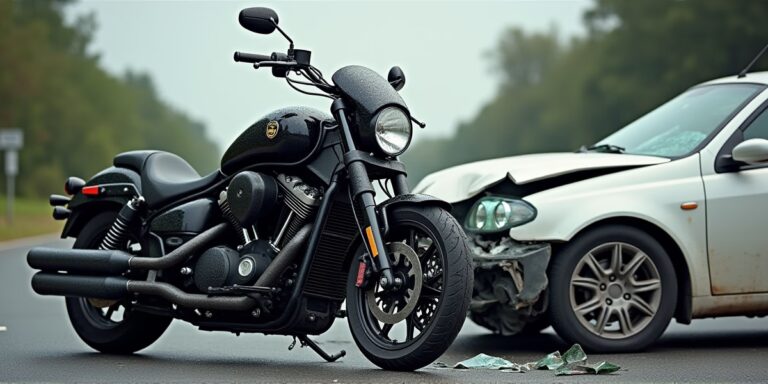
Do I Need A Lawyer For A Motorcycle Accident In San Diego?

Motorcycle accidents often result in severe injuries and significant financial losses. Dealing with insurance companies after a crash can be incredibly challenging, as they are skilled at minimizing payouts and often prioritize their bottom line over your well-being. While it’s technically possible to handle a claim on your own, it’s rarely advisable, especially when serious injuries are involved.
The immediate aftermath of a motorcycle accident is critical. You need to focus on your health and recovery, not navigating a maze of legal procedures and negotiations. A qualified attorney can handle these complexities, ensuring your rights are protected and you receive the compensation you deserve. This includes gathering evidence, dealing with insurance companies, and potentially filing a lawsuit if a fair settlement cannot be reached.
I’ve been practicing personal injury law in San Diego for over 13 years, and I’ve seen firsthand how insurance companies operate. Having been trained by a former insurance defense attorney, I possess intimate knowledge of how they evaluate, devalue, and deny claims. This insight allows me to build stronger cases and effectively advocate for my clients.
What are the first steps I should take after a motorcycle accident?
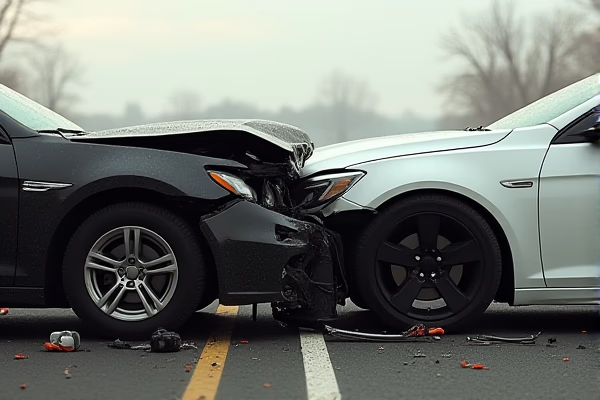
Immediately following a motorcycle accident, prioritize your safety and well-being. If possible, move to a safe location and call 911 to report the incident and request medical assistance, even if you don’t feel immediate pain. Document the scene as thoroughly as possible, including photos of vehicle damage, road conditions, and any visible injuries. Exchange information with the other driver, including their insurance details, but avoid making any statements about fault.
Crucially, contact an attorney as soon as possible. An attorney can advise you on how to interact with insurance companies, preserve evidence, and protect your legal rights. They can also initiate an investigation into the accident and begin building your case.
How does California’s comparative fault law affect my motorcycle accident claim?
California operates under a “pure” comparative fault system, meaning you can recover damages even if you were partially at fault for the accident. However, your compensation will be reduced by your percentage of fault. For example, if you are found to be 30% at fault, you can still recover 70% of your damages. Insurance companies frequently attempt to assign fault to motorcyclists to minimize their payouts, so it’s vital to have an attorney who can effectively challenge these claims.
Defense counsel may argue that you were speeding, improperly lane splitting, or not wearing a helmet. Understanding how to counter these arguments is essential to maximizing your recovery. Civ. Code § 1714 outlines the principles of comparative negligence in California.
What types of damages can I recover in a motorcycle accident case?
Motorcycle accident victims are entitled to recover a wide range of damages, including medical expenses (past and future), lost wages, property damage, pain and suffering, emotional distress, and loss of enjoyment of life. In cases involving severe injuries, you may also be able to recover compensation for permanent disabilities, disfigurement, and loss of earning capacity.
Calculating these damages accurately can be complex, especially when considering future medical needs and long-term care costs. An attorney can work with medical experts and financial analysts to ensure you receive full compensation for all your losses.
What if the other driver is uninsured or underinsured?
Unfortunately, many drivers in California operate without adequate insurance coverage. If you are hit by an uninsured or underinsured driver, you may be able to recover damages through your own Uninsured Motorist (UM) or Underinsured Motorist (UIM) coverage. These policies are designed to protect you in situations where the at-fault driver lacks sufficient insurance to cover your losses.
Navigating UM/UIM claims can be particularly challenging, as insurance companies often attempt to deny or undervalue these claims. An attorney can help you understand your policy limits, file a claim, and negotiate a fair settlement.
How long do I have to file a lawsuit after a motorcycle accident in California?
California law provides a **two-year** window from the date of the motorcycle accident to file a lawsuit for personal injury. Because evidence at a crash scene—such as skid marks or GoPro footage—can disappear quickly, immediate filing is critical to preserve the integrity of the claim. CCP § 335.1 sets forth these time limits.
Missing this deadline can result in the permanent loss of your right to recover compensation. It’s essential to consult with an attorney as soon as possible to ensure your claim is filed within the statute of limitations.
What should I do if the insurance company asks me to give a recorded statement?
Insurance companies often request recorded statements from accident victims shortly after a crash. While you are not legally obligated to provide a statement, doing so can be detrimental to your claim. Insurance adjusters are trained to ask leading questions designed to minimize their liability and potentially uncover information that could be used against you.
It’s best to politely decline the request for a recorded statement and refer the insurance company to your attorney. Your attorney can handle all communication with the insurance company on your behalf, protecting your rights and ensuring your statement is accurate and consistent.
How do medical liens affect my motorcycle accident settlement?
If you received medical treatment for your injuries, the medical providers may file a lien against your settlement to recover their unpaid bills. These liens can significantly reduce the amount of money you ultimately receive. However, California law limits the amount a health insurance company or medical provider can claim from your settlement via a lien.
An attorney can negotiate with medical providers to reduce the amount of the lien or explore other options for resolving the debt. Civ. Code § 3040 provides protections for injured riders regarding medical liens.
What if the accident involved a government vehicle or roadway hazard?
If a motorcycle accident involves a government-owned vehicle or a dangerous road condition like loose gravel, potholes, or poorly marked construction zones, a formal administrative claim **MUST** be presented within **6 months** (180 days). Failure to meet this strict deadline under the Government Tort Claims Act can result in the permanent loss of your right to recover.
These claims have specific requirements and procedures that must be followed carefully. An attorney experienced in government liability claims can ensure your claim is properly filed and documented. Gov. Code § 911.2 outlines the requirements for filing a claim against a public entity.
What is the role of dashcam footage and other digital evidence in my case?
Dashcam footage, police bodycam recordings, and data from the motorcycle’s ECM/EDR (Event Data Recorder) can be invaluable evidence in a motorcycle accident case. This evidence can provide objective proof of the accident circumstances, including speed, braking patterns, and the actions of the other driver.
It’s crucial to preserve any available digital evidence as soon as possible, as it can be overwritten or lost. An attorney can help you obtain this evidence and ensure it is properly analyzed and presented in court.
What if the insurance company accuses me of contributing to the accident?
Insurance companies often employ tactics to shift blame to the motorcyclist, alleging that you were speeding, improperly lane splitting, or otherwise negligent. They may attempt to use your own statements against you or present biased witness testimony to support their claims.
An attorney can investigate the accident thoroughly, gather evidence to refute these allegations, and build a strong defense against any claims of comparative fault. They can also challenge the insurance company’s tactics and ensure you are treated fairly.
What happens if the at-fault driver has minimal insurance coverage?
If the at-fault driver has minimal insurance coverage, it may not be sufficient to cover all your damages. In this situation, you may be able to pursue a claim against the driver’s personal assets or explore other sources of recovery, such as your own Uninsured Motorist (UM) coverage.
An attorney can assess the driver’s financial situation and advise you on the best course of action. They can also negotiate with the insurance company to maximize your recovery and explore all available options for obtaining compensation.