How Does Comparative Fault Work In San Diego Truck Accident Cases?

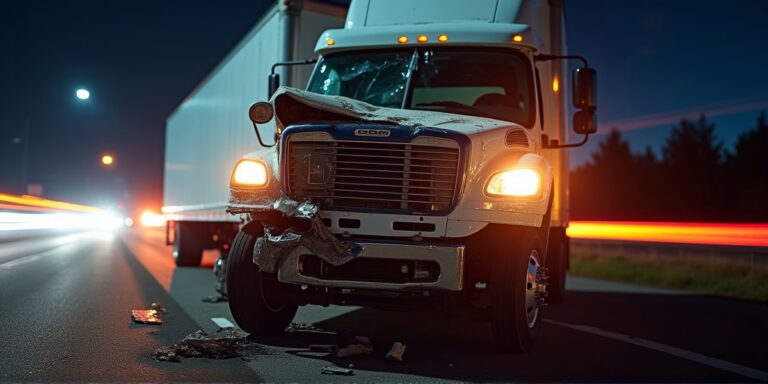
Comparative fault is a legal principle that comes into play when both parties involved in an accident bear some degree of responsibility for the incident. In California, we operate under a “pure” comparative fault system, meaning you can recover damages even if you were partially to blame. However, your compensation will be reduced by your percentage of fault. This can be a complex issue, as determining the exact proportion of responsibility each party holds requires a thorough investigation and often, expert testimony.
The insurance company will aggressively attempt to shift blame onto my clients, even in clear-cut cases. They’ll scrutinize every aspect of the accident, looking for any evidence to support their claim that you contributed to the collision. This could involve examining police reports, witness statements, vehicle damage, and even your driving history. It’s crucial to understand that simply being cited for a minor traffic violation doesn’t automatically equate to fault in a truck accident case.
I’ve spent over 13 years representing clients injured in San Diego, and I was trained by a former insurance defense attorney. This unique background gives me intimate knowledge of how insurance companies evaluate, devalue, and deny claims. I understand the tactics they use to minimize payouts, and I’m adept at building a strong case to counter their arguments. I’ve seen firsthand how they attempt to exploit the comparative fault doctrine to reduce their financial liability.
What evidence is used to determine comparative fault in a truck accident?
Establishing comparative fault relies heavily on evidence. The insurance company will gather data from numerous sources, and so will I. This includes the police report, which details the accident reconstruction and any initial findings of fault. Witness statements are critical, as they provide independent accounts of the events leading up to the crash. Vehicle damage can also be analyzed to determine the point of impact and the forces involved.
Crucially, we’ll also examine any available dashcam footage, ECM/EDR data from the truck, and even GPS information. These digital records can provide objective evidence of speed, braking patterns, and driver behavior. In some cases, expert accident reconstructionists may be needed to analyze the data and provide a professional opinion on the cause of the accident and the relative fault of each party.
Furthermore, your own driving record will be scrutinized. While a past traffic ticket doesn’t automatically mean you were at fault in this specific accident, it can be used by the insurance company to portray you as a negligent driver. It’s essential to have an attorney who can effectively counter these arguments and present a compelling case for your innocence.
How does California’s pure comparative fault system work?
California’s pure comparative fault system, codified in Civ. Code § 1714, allows you to recover damages even if you were 99% at fault. However, your recovery will be reduced by your percentage of fault. For example, if you sustained $100,000 in damages but were found to be 30% at fault, you would only be able to recover $70,000.
This system differs from other states that have modified comparative fault rules, which may bar recovery entirely if you exceed a certain threshold of fault (e.g., 50% or 51%). In California, even a small degree of negligence on your part won’t necessarily prevent you from receiving compensation, but it will likely reduce the amount you’re awarded.
The determination of comparative fault is typically made by a judge or jury. It’s a fact-intensive process that requires careful consideration of all the evidence. The insurance company will present arguments to minimize your recovery, and it’s crucial to have an attorney who can effectively advocate for your rights and present a strong defense against their claims.
What are common arguments insurance companies use to establish comparative fault?
Insurance companies employ a variety of tactics to establish comparative fault. One common argument is that you were speeding. They’ll analyze vehicle damage and accident reconstruction data to support their claim, even if the evidence is inconclusive. Another tactic is to allege that you were distracted driving, perhaps using your cell phone or adjusting the radio. They may attempt to obtain your cell phone records to prove this claim.
They may also argue that you failed to maintain a proper lookout or that you were negligent in your lane changes. In some cases, they may even attempt to blame you for the truck driver’s fatigue, claiming you somehow contributed to the circumstances that led to their exhaustion. It’s important to remember that these are just arguments, and they must be supported by evidence.
I’ve seen countless cases where insurance companies have made unsubstantiated claims of comparative fault. My role as your attorney is to thoroughly investigate the accident, gather evidence to counter their arguments, and present a compelling case for your innocence. I’ll work tirelessly to protect your rights and ensure you receive the maximum compensation you deserve.
Can I be held comparatively at fault even if I didn’t violate any traffic laws?
Yes, you can absolutely be held comparatively at fault even if you didn’t violate any traffic laws. Comparative fault isn’t solely based on legal violations; it’s based on whether your actions were reasonable under the circumstances. For example, even if you were driving the speed limit, you could still be found negligent if you failed to take evasive action to avoid a collision that a reasonable driver would have taken.
The concept of “reasonable care” is central to comparative fault. A jury will consider what a prudent driver would have done in the same situation. This is a subjective standard, and it’s often open to interpretation. That’s why it’s so important to have an attorney who can effectively present your case and argue that your actions were reasonable under the circumstances.
Insurance companies often try to portray your actions as negligent, even if you followed all the rules of the road. They may argue that you should have anticipated the truck driver’s actions or that you should have taken additional precautions. It’s crucial to have an attorney who can counter these arguments and demonstrate that you acted responsibly and prudently.
What should I do if the insurance company claims I was at fault for a truck accident?
If the insurance company claims you were at fault for a truck accident, the most important thing you can do is contact an attorney immediately. Do not speak to the insurance company without legal representation. They are skilled negotiators, and they will use every tactic at their disposal to minimize their payout.
An attorney can protect your rights and ensure you don’t inadvertently say something that could harm your case. I’ll conduct a thorough investigation of the accident, gather evidence to support your claim, and present a strong defense against the insurance company’s arguments. I’ll also handle all communications with the insurance company, so you don’t have to worry about dealing with them directly.
Remember, the insurance company is not on your side. They are a for-profit business, and their goal is to minimize their financial liability. I’m here to advocate for your rights and ensure you receive the maximum compensation you deserve. Call my office today for a free consultation.
What is the role of a recorded statement in determining comparative fault?
Recorded statements to insurers are a powerful tool they use to establish comparative fault. They’ll often request a statement shortly after the accident, claiming it’s necessary to process your claim. However, these statements are designed to gather information that can be used against you. Insurance adjusters are trained to ask leading questions and subtly elicit admissions that can undermine your case.
It’s crucial to politely decline any request for a recorded statement without first consulting with an attorney. I strongly advise my clients against providing any recorded statements, as they can be easily misinterpreted and used to devalue their claims. I will handle all communications with the insurance company on your behalf, ensuring your rights are protected.
If you have already provided a recorded statement, don’t panic. I can review the statement and assess any potential damage it may have caused. I’ll develop a strategy to counter any negative statements and protect your ability to recover full compensation.
How do medical liens impact my truck accident settlement?
Medical liens and reimbursement claims can significantly impact your truck accident settlement. If you received medical treatment for your injuries, the healthcare providers may file a lien against your recovery to ensure they are paid for their services. These liens can reduce the amount of money you ultimately receive.
I have extensive experience negotiating with healthcare providers to reduce the amount of their liens. I’ll review your medical bills and identify any potential errors or overcharges. I’ll also explore options for reducing the lien amount through Medicare or Medicaid subrogation. My goal is to minimize the impact of medical liens on your settlement and ensure you receive the maximum compensation possible.
It’s important to understand that you are ultimately responsible for paying your medical bills, even if you settle your case. I’ll work with you to develop a payment plan that fits your budget and protects your financial interests.
What are the deadlines for filing a government claim in San Diego truck accident cases?
If a truck accident involves a government-owned vehicle or a dangerous road condition maintained by a public entity, a formal administrative claim **MUST** be presented within **6 months** (180 days) under the Government Tort Claims Act. This is a strict deadline, and failure to meet it can result in the permanent loss of your right to recover.
I have extensive experience handling government claims in San Diego. I’ll ensure your claim is filed correctly and within the required timeframe. I’ll also gather evidence to support your claim and negotiate with the government entity to obtain a fair settlement.
Don’t delay in contacting an attorney if your truck accident involved a government entity. The deadlines are short, and it’s crucial to act quickly to protect your rights.
What is a policy limits tender and how does it affect my truck accident case?
A policy limits tender is an offer by the insurance company to settle your claim for the maximum amount of their policy. While it may seem like a generous offer, it’s often a tactic to avoid further litigation. Once you accept a policy limits tender, you typically waive your right to pursue any additional compensation from the insurance company.
I will carefully evaluate any policy limits tender before advising you on whether to accept it. I’ll assess the full extent of your damages, including medical expenses, lost wages, and pain and suffering. I’ll also consider the potential for recovering additional compensation from other sources, such as the truck driver’s personal assets or an umbrella policy.
It’s crucial to understand the implications of accepting a policy limits tender before making a decision. I’ll explain your options and help you make an informed choice that’s in your best interests.
How do dashcam and digital evidence impact my San Diego truck accident claim?
Dashcam footage, ECM/EDR data, and other digital evidence are invaluable in truck accident claims. These records can provide objective evidence of speed, braking patterns, driver behavior, and other critical factors. They can often be used to establish fault and demonstrate the negligence of the truck driver.
I will immediately request all available digital evidence from the trucking company. I’ll also work with accident reconstruction experts to analyze the data and provide a professional opinion on the cause of the accident. Preserving this evidence is crucial, as it can be easily lost or destroyed.
If you have dashcam footage from your own vehicle, be sure to preserve it and share it with your attorney. It can be a powerful tool in supporting your claim.