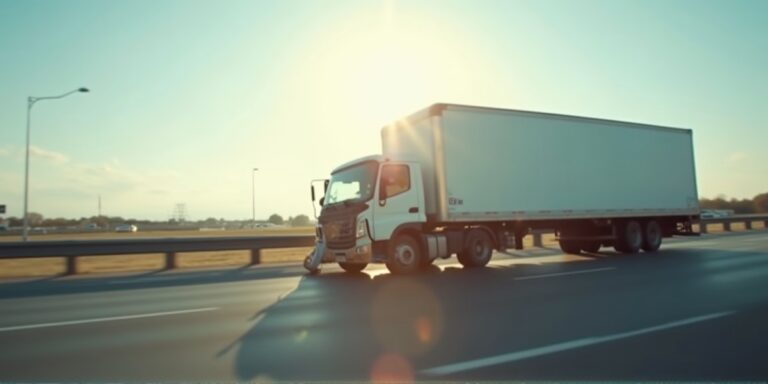
How Does Comparative Negligence Work For Truck Drivers In California?

Comparative negligence, in the context of California truck accident litigation, is a legal principle that addresses situations where both the truck driver and the injured party (like Javier) bear some responsibility for the collision. Unlike some states with “winner-take-all” rules, California follows a “pure” comparative fault system. This means that even if you are partially at fault, you can still recover damages, but your recovery will be reduced by your percentage of fault. It’s a nuanced area of law, and understanding how it applies to your specific case is crucial.
The insurance company will aggressively investigate all aspects of the accident to identify any potential contributions to the crash on your end. This could involve scrutinizing your driving record, examining vehicle maintenance logs, analyzing police reports, and even interviewing witnesses. They’re looking for anything they can use to argue you were speeding, distracted, or otherwise negligent. It’s important to remember that the burden of proof lies with the insurance company to demonstrate your negligence, but they have significant resources at their disposal.
As a personal injury attorney with over 13 years of experience practicing in San Diego, I’ve seen firsthand how insurance companies leverage comparative negligence to devalue claims. I was trained by a former insurance defense attorney, giving me intimate knowledge of how they evaluate, devalue, and deny claims. They’ll often use tactics like exaggerating minor infractions or misinterpreting evidence to inflate your percentage of fault, thereby reducing their financial responsibility. This is why having experienced legal counsel is essential to protect your rights.
What evidence is used to determine comparative fault in a truck accident case?

Determining comparative fault relies heavily on evidence. Police reports are a starting point, but they are not conclusive. Witness statements are valuable, but can be subjective and unreliable. Crucially, we look at any physical evidence from the scene, including skid marks, vehicle damage, and road conditions. Black box data from the truck (ELD data) is often critical, revealing speed, braking patterns, and driver fatigue. We also examine your driving record and any potential distractions at the time of the accident.
In Javier’s case, the insurance company’s claim of speeding requires thorough investigation. We would need to analyze the accident reconstruction report, review any available dashcam footage, and potentially hire an independent expert to assess the impact speed. If we can demonstrate that speeding was not a contributing factor, or that the truck driver’s negligence was the primary cause, we can significantly reduce Javier’s percentage of fault.
How does California’s “pure” comparative fault system affect my potential recovery?
California’s “pure” comparative fault system, as established in Civ. Code § 1714, means that your damages are reduced proportionally to your percentage of fault. For example, if you are found to be 20% at fault, you can still recover 80% of your total damages. Even if you are 90% at fault, you can still recover 10% of your damages. However, it’s important to note that if you are found to be 100% at fault, you are not entitled to any recovery.
This system emphasizes fairness, but it also means that even a small percentage of fault can significantly impact your financial recovery. The insurance company will do everything they can to increase your percentage of fault, even if it means relying on speculation or misinterpreting evidence. That’s why it’s crucial to have an attorney who can effectively challenge their arguments and present a compelling case on your behalf.
Can I be held comparatively negligent even if I wasn’t driving the vehicle?
Yes, you can be held comparatively negligent even if you weren’t the driver. For example, if you were a passenger in a vehicle and contributed to the accident by distracting the driver, you could be held partially responsible. Similarly, if you were responsible for maintaining the vehicle and failed to address a known safety issue that contributed to the crash, you could be held liable. The key is whether your actions (or inaction) contributed to the cause of the accident.
In some cases, the owner of the vehicle may also be held comparatively negligent, even if they weren’t present at the time of the accident. This could be due to negligent entrustment, meaning they allowed an unfit driver to operate the vehicle. Determining who is responsible and to what extent requires a thorough investigation of all the facts and circumstances surrounding the crash.
What if the truck driver was violating federal regulations at the time of the accident?
Violations of federal regulations, such as Hours of Service (HOS) rules or maintenance requirements, can be strong evidence of negligence. These regulations are designed to ensure driver safety and prevent accidents. If a truck driver was fatigued due to violating HOS rules, or if the truck was improperly maintained, it can significantly increase their liability. Evidence of these violations can be obtained through ELD data, vehicle inspection reports, and driver logs.
In Javier’s case, if we can demonstrate that the truck driver was in violation of federal regulations at the time of the accident, it strengthens his claim and increases the likelihood of a favorable settlement. These violations often indicate a pattern of negligence on the part of the trucking company, which can lead to a higher recovery.
What role does spoliation of evidence play in a comparative negligence case?
Spoliation of evidence – the intentional destruction or loss of evidence – can have serious consequences in a comparative negligence case. Trucking companies have a legal obligation to preserve evidence related to an accident, including ELD data, maintenance records, and driver logs. If they intentionally destroy or fail to preserve this evidence, it can be considered a deliberate attempt to conceal their negligence. This can lead to sanctions, including adverse inferences, meaning the court can assume the evidence would have been unfavorable to the trucking company.
In San Diego, we aggressively pursue spoliation claims when we suspect evidence has been destroyed. This can involve sending a spoliation letter demanding the preservation of all relevant evidence and potentially filing a motion to compel discovery. Preserving the integrity of the evidence is crucial to ensuring a fair and accurate assessment of comparative fault.
What happens if the insurance company claims I made a false statement about the accident?
Making false statements to an insurance company can have serious consequences, potentially invalidating your claim. Insurance companies often record statements from claimants, and they will scrutinize these statements for any inconsistencies or inaccuracies. If they believe you intentionally made a false statement, they may deny your claim and even pursue criminal charges. It’s crucial to be truthful and accurate in all your communications with the insurance company, but it’s also important to be cautious about what you say.
I always advise my clients to avoid giving recorded statements to insurance companies without first consulting with an attorney. I can be present during the statement to ensure your rights are protected and to prevent you from inadvertently making a statement that could harm your claim. Remember, the insurance company is not on your side, and they are looking for any reason to minimize their payout.
What is the importance of documenting everything after a truck accident?
Thorough documentation is essential after a truck accident, especially when comparative negligence is a concern. This includes taking photos of the scene, vehicle damage, and your injuries, obtaining witness contact information, and keeping a detailed record of all your medical treatment and expenses. It’s also important to document any lost wages or other financial losses you have incurred as a result of the accident. The more evidence you have, the stronger your claim will be.
In Javier’s case, documenting his injuries and treatment is crucial to establishing the full extent of his damages. We will gather all his medical records, bills, and therapy reports to demonstrate the impact of the accident on his life. We will also document any lost wages or future earning capacity he has lost as a result of his injuries. This documentation will be used to support his claim and to negotiate a fair settlement with the insurance company.
What are the deadlines for filing a claim after a truck accident in California?
California law provides a **two-year** window from the date of the truck accident to file a lawsuit. Because trucking companies often begin evidence destruction (like purging ELD data) as soon as the law allows, immediate filing is critical to preserve the integrity of the claim. This statute of limitations, as outlined in CCP § 335.1, is strict, and failing to meet the deadline can result in the permanent loss of your right to recover.
It’s important to contact an attorney as soon as possible after a truck accident to ensure your claim is filed within the statute of limitations. We can investigate the accident, gather evidence, and prepare the necessary legal documents to protect your rights.