Should I Call The Police After A Truck Accident?

The question of whether to call the police after a truck accident is one I address frequently with my clients here in San Diego. While it might seem obvious, many people hesitate, especially if the truck driver is apologetic or offers to “handle things privately.” This is almost always a mistake. A police report is a critical piece of evidence in any truck accident claim, and failing to involve law enforcement can severely jeopardize your ability to recover fair compensation.
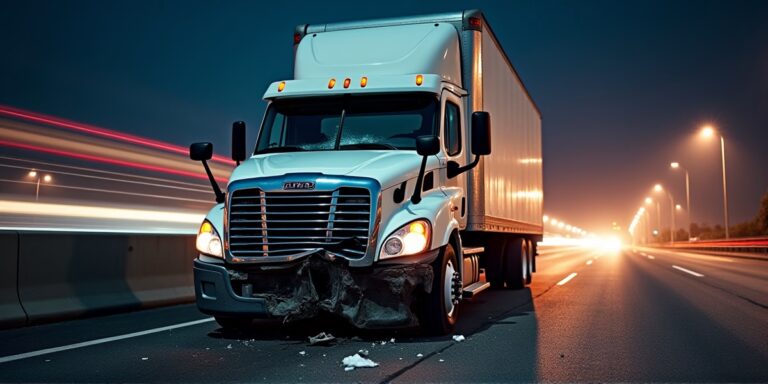
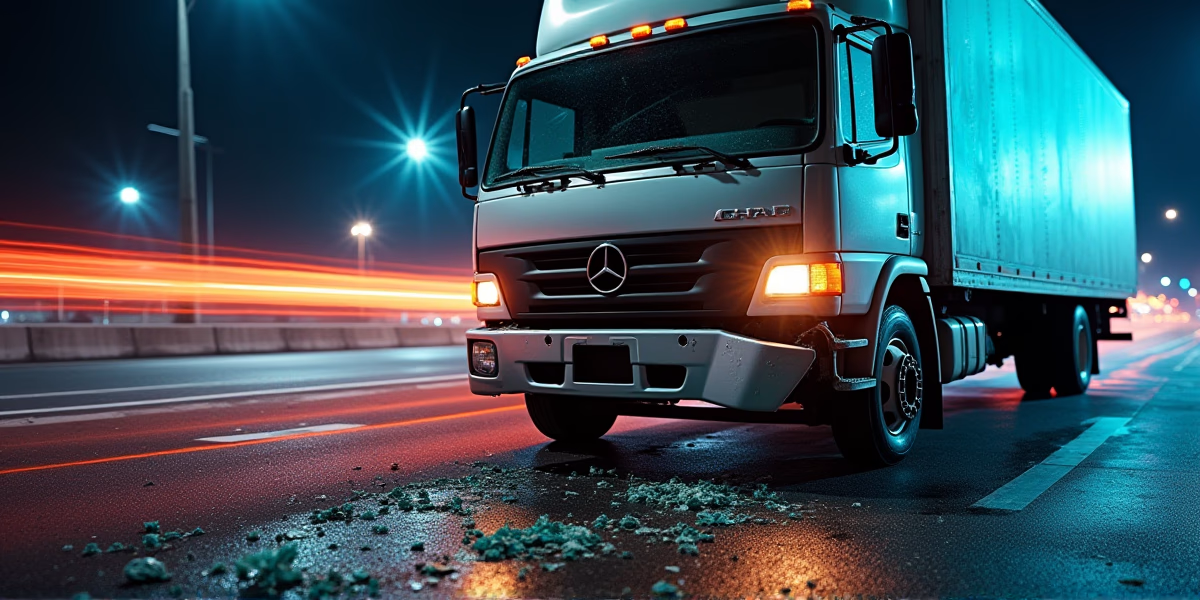
The primary reason for calling the police is to create an official record of the accident. This report will include details like the date, time, and location of the crash, the names and contact information of all parties involved, and a preliminary assessment of fault. Crucially, the investigating officer will document any visible injuries, vehicle damage, and potential witnesses. This objective documentation is invaluable when dealing with insurance companies, who are often looking for ways to minimize their payout.
I’ve been practicing personal injury law in San Diego for over 13 years, and I’ve seen firsthand how insurance adjusters will attempt to downplay the severity of an accident if there’s no police report. They’ll question the extent of your injuries, challenge your account of what happened, and even try to blame you for the crash. Having a police report on your side provides a solid foundation for your claim and helps to level the playing field. I was trained by a former insurance defense attorney, giving me intimate knowledge of how insurance companies evaluate, devalue, and deny claims.
What information should I exchange with the truck driver after an accident?
After ensuring everyone’s safety and calling 911, it’s important to exchange basic information with the truck driver. This includes their name, contact information, driver’s license number, and the trucking company’s name, address, and insurance details. However, be very careful about what you say. Avoid admitting fault, apologizing, or making any statements about your injuries. Stick to the facts and let the police and your attorney handle the investigation.
It’s also crucial to document the truck’s license plate number, DOT number, and any visible safety violations. If possible, take photos of the damage to both vehicles, the accident scene, and any relevant signage. These details can be vital in establishing liability and proving the extent of your losses.
Can I be held liable for the accident even if the truck driver was at fault?
California operates under a ‘pure’ comparative fault system, meaning that you can still recover damages even if you were partially responsible for the accident. However, your compensation will be reduced by your percentage of fault. For example, if you’re found to be 20% at fault, you’ll only receive 80% of your total damages. This is why it’s so important to have a thorough investigation conducted and to present a strong case for your version of events. Civ. Code § 1714 outlines the principles of comparative negligence in California.
What if the truck driver’s insurance company contacts me before I’ve spoken to an attorney?
Do not speak to the insurance company without first consulting with an attorney. Insurance adjusters are trained to minimize payouts, and they may try to trick you into making statements that could harm your claim. Politely decline their request for a statement and refer them to your attorney. They are legally obligated to deal with your legal representation.
What types of damages can I recover in a truck accident claim?
You may be entitled to recover a wide range of damages in a truck accident claim, including medical expenses (past and future), lost wages, property damage, pain and suffering, and emotional distress. In some cases, you may also be able to recover punitive damages if the truck driver or trucking company acted with gross negligence. It’s important to work with an experienced attorney who can accurately assess your losses and fight for the maximum compensation you deserve.
What is the statute of limitations for filing a truck accident lawsuit in California?
In California, you generally have **two years** from the date of the truck accident to file a lawsuit. Because trucking companies often begin evidence destruction (like purging ELD data) as soon as the law allows, immediate filing is critical to preserve the integrity of the claim. CCP § 335.1 governs the statute of limitations for personal injury claims in California.
What should I do if the accident involved a government vehicle or roadway hazard in San Diego?
If a truck accident involves a government-owned vehicle or a dangerous road condition maintained by a public entity, a formal administrative claim **MUST** be presented within **6 months** (180 days). Failure to meet this strict deadline under the Government Tort Claims Act can result in the permanent loss of your right to recover. Gov. Code § 911.2 details the requirements for filing a claim against a government entity.
How can dashcam footage or electronic logging device (ELD) data help my truck accident claim?
Dashcam footage and ELD data can be incredibly valuable evidence in a truck accident claim. Dashcam footage can provide a clear and objective record of what happened leading up to the crash, while ELD data can reveal whether the truck driver was in compliance with federal Hours of Service regulations. It’s important to secure this evidence as soon as possible, as it may be subject to destruction or alteration.
What if I was injured while working as a delivery driver (Amazon, FedEx, etc.)?
California’s ‘ABC test’ determines if a delivery driver (Amazon/FedEx) is an employee or contractor. Even if labeled a ‘contractor,’ a company may be liable if they exercise control over the driver’s work, a key factor in San Diego delivery truck litigation. Labor Code § 2775 outlines the criteria for determining employee status.
What if the trucking company claims the driver was an independent contractor, not an employee?
Establishing whether a driver is an employee or an independent contractor is often a complex legal issue. The trucking company may argue that the driver was an independent contractor to avoid liability for their actions. However, under the doctrine of **vicarious liability** (respondeat superior), a principal is responsible to third persons for the negligence of their agent in the transaction of business. This holds the trucking company legally liable for the wrongful acts of its drivers committed within the scope of their employment. Civ. Code § 2338 provides the legal basis for this principle.