
Should I Move My Motorcycle After An Accident?

One of the first questions I get from clients after a motorcycle accident is whether they should move their bike. The short answer is: generally, no. Unless it’s blocking traffic and creating an immediate safety hazard, leave it where it is. Moving the motorcycle can inadvertently destroy crucial evidence needed to establish fault and maximize your claim. Think of the scene as a snapshot in time – every detail, from the position of the vehicles to the debris field, tells a story.
Insurance companies are skilled at minimizing payouts, and they’ll seize on any opportunity to dispute liability. If you move the bike before documenting the scene thoroughly, they’ll argue that you altered the evidence, making it difficult to determine the exact cause of the accident. This can significantly devalue your claim and leave you footing a larger portion of the bill. I’ve seen this tactic used countless times during my 13+ years practicing personal injury law in San Diego, and it’s always detrimental to the rider’s case. I was trained by a former insurance defense attorney, giving me intimate knowledge of how insurance companies evaluate, devalue, and deny claims.
What types of evidence are important to preserve at the accident scene?
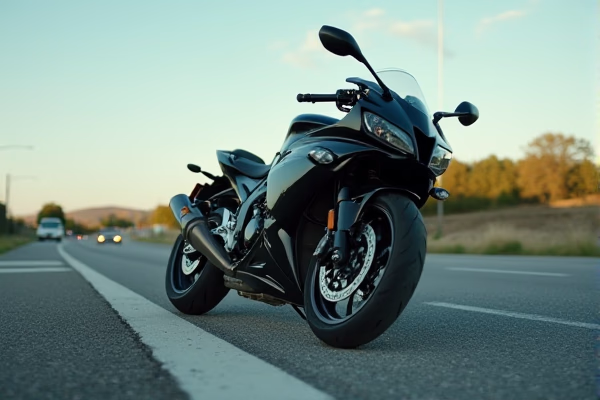
Documenting the scene is paramount. This includes taking detailed photographs and videos of everything: the damage to all vehicles involved, the position of the motorcycles and other cars, skid marks, traffic signals, road conditions, and any visible injuries. If possible, capture the license plate numbers of all vehicles and any witness contact information. Even seemingly insignificant details can be crucial later on.
Don’t rely solely on the police report. While the police will document the accident, their report may not be comprehensive or entirely accurate. It’s your responsibility to gather as much evidence as possible to support your claim. Consider using your smartphone to record a video walkthrough of the scene, narrating your observations as you go. This can be incredibly valuable in reconstructing the events of the accident.
What if my motorcycle is blocking traffic and creating a safety hazard?
If your motorcycle is obstructing traffic and posing a risk to other drivers, you may need to move it to a safer location. However, do so with extreme caution and only if absolutely necessary. Before moving the bike, take as many photographs and videos as possible, documenting its original position and the surrounding area. If you can, have a witness assist you and document the move. Be sure to note the exact location where you moved the bike and the time of the relocation.
Should I give a recorded statement to the insurance company after a motorcycle accident?
Absolutely not, without speaking to an attorney first. Insurance adjusters are trained to ask leading questions designed to minimize their liability. They’ll often try to get you to admit fault or downplay your injuries. Anything you say in a recorded statement can be used against you later on, even if you didn’t intend for it to be. Politely decline the request for a statement and refer them to your attorney.
What if I’m already receiving medical treatment – how does that affect my claim?
Continue seeking medical treatment, even if you don’t feel immediate pain. Some injuries, like soft tissue damage, may not manifest for days or weeks after the accident. Keep detailed records of all your medical appointments, treatments, and expenses. These records will be essential in proving the extent of your injuries and the associated costs. Furthermore, be aware of potential medical liens that may need to be addressed as part of your settlement.
What is the deadline for filing a motorcycle accident claim in California?
California law provides a **two-year** window from the date of the motorcycle accident to file a lawsuit for personal injury. Because evidence at a crash scene—such as skid marks or GoPro footage—can disappear quickly, immediate filing is critical to preserve the integrity of the claim. However, it’s crucial to understand that there may be other deadlines involved, such as the 6-month statute of limitations for claims against government entities. Don’t delay seeking legal counsel, as missing these deadlines can result in the permanent loss of your right to recover.
What if the other driver was uninsured or underinsured?
If the at-fault driver lacks adequate insurance coverage, you may be able to file a claim under your own Uninsured Motorist (UM) or Underinsured Motorist (UIM) coverage. California law requires insurers to offer this coverage, and it can provide crucial financial protection in these situations. However, navigating these claims can be complex, so it’s essential to consult with an attorney who understands the intricacies of UM/UIM policies.
How does comparative fault affect my motorcycle accident claim in San Diego?
California is a ‘pure’ comparative fault state, meaning you can still recover damages even if you were partially at fault for the accident. However, your total compensation will be reduced by your percentage of fault. For example, if you were 20% at fault, you can still recover 80% of your damages. Insurance companies will often attempt to argue that you shared responsibility for the accident, so it’s important to have an attorney who can effectively rebut these claims.
What should I do if the insurance company makes a low settlement offer?
Don’t accept the first offer. Insurance companies typically start with a lowball offer, hoping you’ll settle for less than your claim is worth. It’s crucial to have an attorney review the offer and negotiate on your behalf. I can help you gather additional evidence, assess the full extent of your damages, and build a strong case to maximize your recovery. I’ve successfully negotiated numerous settlements for motorcycle accident victims in San Diego, and I’m committed to fighting for the compensation you deserve.