Should I Take Photos After A Commercial Vehicle Crash?

As a personal injury attorney in San Diego with over 13 years of experience, I’ve seen this scenario play out countless times. Insurance companies are skilled at minimizing payouts, and they often begin their investigation immediately after a crash. One of the most crucial steps you can take to protect your claim is to document the scene thoroughly, and that starts with taking photos. But knowing *what* to photograph and *how* to do it correctly can make all the difference.
The instinct after a serious accident is often to focus on getting medical attention, which is absolutely the right priority. However, if you are physically able, or have a passenger who can assist, capturing visual evidence at the scene is paramount. This evidence can be the difference between a fair settlement and a protracted legal battle. The insurance adjuster will be looking for any reason to dispute your claim, and clear photographic documentation can preempt many of their arguments.
I was trained by a former insurance defense attorney, giving me intimate knowledge of how insurance companies evaluate, devalue, and deny claims. They prioritize minimizing their financial exposure, and a lack of evidence often works in their favor. They will scrutinize every detail, and photos provide an objective record of the accident that can counter their attempts to downplay your injuries or shift blame. In San Diego, we see a lot of commercial vehicle accidents, and the complexities of these cases require a proactive approach to evidence gathering.
What specific types of photos should I take at the scene of a commercial vehicle crash?

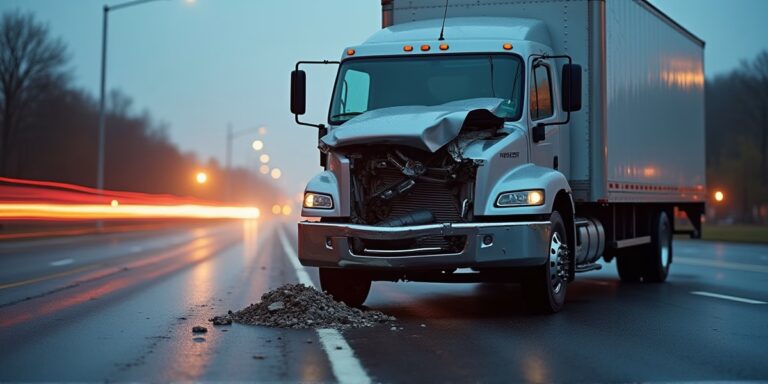
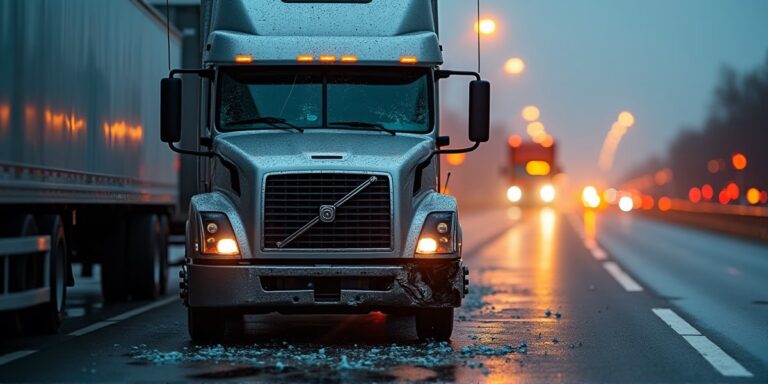
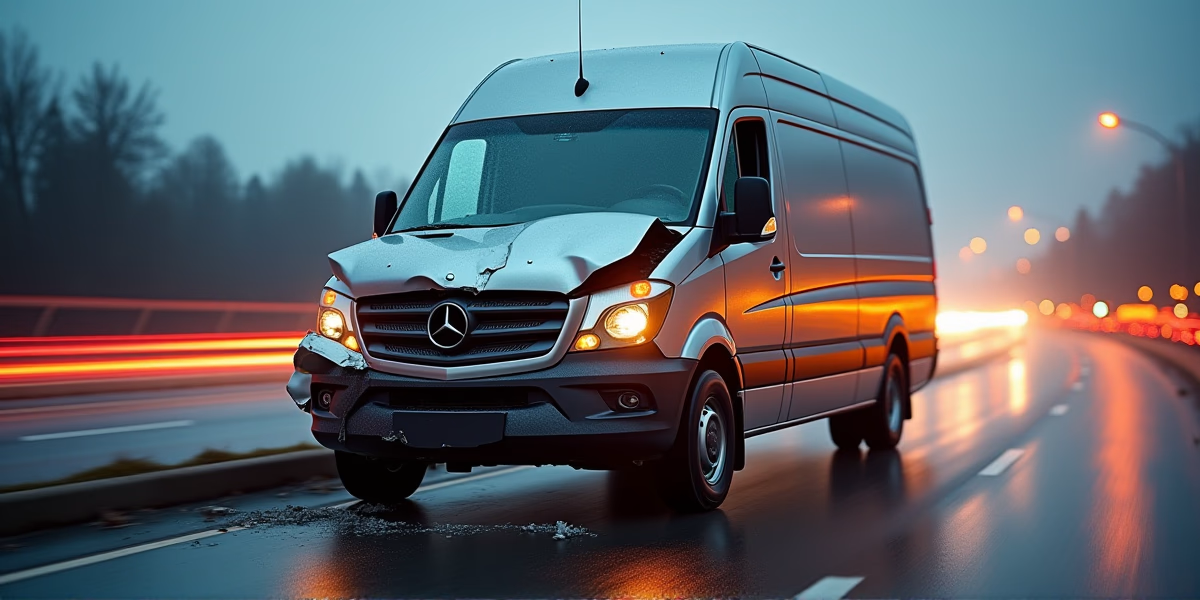
Don’t limit yourself to just the obvious damage. A comprehensive photographic record should include the following: all visible damage to all vehicles involved, including close-ups of dents, scratches, broken glass, and any deployed airbags. Photograph the entire scene from multiple angles, capturing the position of the vehicles, skid marks, traffic signals, and any relevant road conditions. It’s also critical to document any injuries you sustained, such as bruises, cuts, or visible swelling. If possible, photograph the commercial vehicle’s license plate, DOT number, and any safety markings.
Beyond the vehicles themselves, focus on the broader context. Capture photos of the surrounding area, including any contributing factors like obstructed views, potholes, or inadequate signage. If there are any witnesses, try to photograph them (with their consent, if possible) and their vehicles. Don’t forget to document the weather conditions, as rain, fog, or darkness can significantly impact visibility and contribute to an accident. Finally, if you have a smartphone, use its GPS feature to timestamp your photos, providing irrefutable proof of when and where they were taken.
Remember, the more documentation you have, the stronger your claim will be. Insurance companies often rely on incomplete or biased information, so it’s essential to create your own objective record of the accident. Taking photos is a simple yet powerful step you can take to protect your rights and ensure you receive the compensation you deserve.
Can photos of my injuries be used as evidence, even if they don’t appear immediately after the crash?
Absolutely. While photos taken immediately after the crash are ideal, injuries often don’t manifest fully for hours or even days afterward. If you notice new bruises, swelling, or pain developing over time, document them with photos as soon as possible. It’s also important to photograph any medical devices you’re using, such as casts, braces, or bandages. These photos can serve as powerful evidence of the severity of your injuries and the ongoing treatment you’re receiving.
Keep in mind that insurance companies may attempt to argue that your injuries were pre-existing or unrelated to the accident. By documenting your injuries over time, you can establish a clear timeline and demonstrate the direct connection between the crash and your physical condition. It’s also helpful to keep a detailed journal of your pain levels, medical appointments, and any limitations you’re experiencing. This comprehensive record, combined with photographic evidence, can significantly strengthen your claim.
What if I didn’t take photos at the scene? Is my claim ruined?
Not necessarily. While photos are incredibly valuable, they are not the only form of evidence. Police reports, witness statements, and medical records can all be used to support your claim. However, the absence of photos will undoubtedly make it more challenging to prove your case. If you didn’t take photos at the scene, it’s even more important to gather as much other evidence as possible. This includes obtaining a copy of the police report, interviewing any witnesses, and seeking prompt medical attention. An attorney can help you navigate this process and explore alternative sources of evidence.
What if the trucking company or other driver refuses to let me take photos?
You have the right to document the scene of an accident, as long as you are doing so safely and legally. However, if the other driver or trucking company representative is actively obstructing your efforts, do not engage in a confrontation. Instead, contact the police and explain the situation. They can assist you in documenting the scene and ensuring your safety. It’s also important to note the date, time, and location of the incident, as well as the names and contact information of any witnesses. This information can be valuable evidence if you need to pursue legal action.
Remember, your safety is paramount. Do not put yourself at risk to obtain photos or other evidence. If you feel threatened or uncomfortable, step back and let the authorities handle the situation. An attorney can help you navigate these complex interactions and protect your rights.
What should I do if I have dashcam footage of the accident?
Dashcam footage is incredibly valuable evidence in truck accident cases. It provides an objective record of the events leading up to the crash, which can be crucial in establishing liability. If you have dashcam footage, preserve it immediately and do not alter or delete it in any way. Share the footage with your attorney as soon as possible, and they can advise you on the best way to use it in your case. It’s also important to document the make and model of your dashcam, as well as the date and time the footage was recorded.
Insurance companies may attempt to dispute the authenticity or reliability of dashcam footage. However, a qualified attorney can help you authenticate the footage and ensure it’s admissible in court. In San Diego, we have experience working with dashcam evidence and can effectively present it to support your claim.
What if the truck driver was using an Electronic Logging Device (ELD)?
Electronic Logging Devices (ELDs) record a driver’s hours of service, providing valuable information about their compliance with federal safety regulations. Violations of these regulations, such as exceeding the maximum driving hours, can be strong evidence of negligence. If the truck driver was using an ELD, your attorney can subpoena the data and analyze it to determine if any violations occurred. This data can be crucial in establishing liability and maximizing your compensation.
Under federal **Hours of Service (HOS)** regulations dictate exactly how long a driver can be behind the wheel. Violations of these federal safety standards, often proven through Electronic Logging Device (ELD) data, are used to demonstrate driver fatigue. It’s important to act quickly to preserve this data, as trucking companies may attempt to delete or alter it after an accident.
If a truck accident involves a government-owned vehicle or a dangerous road condition maintained by a public entity, a formal administrative claim **MUST** be presented within **6 months** (180 days). Failure to meet this strict deadline under the Government Tort Claims Act can result in the permanent loss of your right to recover.
California’s ‘pure’ comparative fault system applies to trucking claims. Even if a truck driver argues you shared responsibility, you can still recover damages; however, your total compensation will be reduced by your percentage of fault.
Commercial vehicles are subject to rigorous safety and inspection regulations. Failure to maintain brakes, tires, or lighting systems according to California’s commercial vehicle safety framework can be used to establish direct liability against the carrier for ‘negligent maintenance’.
California law provides a **two-year** window from the date of the truck accident to file a lawsuit. Because trucking companies often begin evidence destruction (like purging ELD data) as soon as the law allows, immediate filing is critical to preserve the integrity of the claim.