Should I Take Photos After My Motorcycle Accident?

As a personal injury attorney specializing in motorcycle accidents for over 13 years here in San Diego, I’ve seen firsthand how crucial evidence collection is to a successful claim. One of the most immediate and impactful steps you can take after an accident is to document the scene with photographs. It’s not about creating a perfect crime scene investigation; it’s about preserving information that may disappear quickly and bolstering your case against the at-fault driver and their insurance company.
The instinct after a crash is often to focus on medical attention, and rightly so. However, if you are physically able, or have a passenger who can assist, capturing photographic evidence can be the difference between a fair settlement and a frustrating denial. Insurance companies are businesses, and they’re looking for ways to minimize payouts. Detailed photographic documentation provides a powerful counterargument to their attempts to devalue your claim.
I was trained by a former insurance defense attorney, giving me intimate knowledge of how these companies evaluate, devalue, and deny claims. They will scrutinize every aspect of the accident, looking for inconsistencies or weaknesses in your case. Photographs provide objective evidence that can’t easily be disputed. They tell a story that words often can’t.
What specific photos should I take at the accident scene?
The goal is to capture a comprehensive visual record of the incident. Start with the big picture and work your way down to the details. Focus on documenting the overall scene, the damage to all vehicles involved, and any contributing factors that may have caused the accident. Don’t forget to capture the injuries you sustained, if possible.
Specifically, you should photograph:
- The Entire Intersection/Roadway: Capture multiple angles showing the overall layout, traffic signals, lane markings, and any relevant signage.
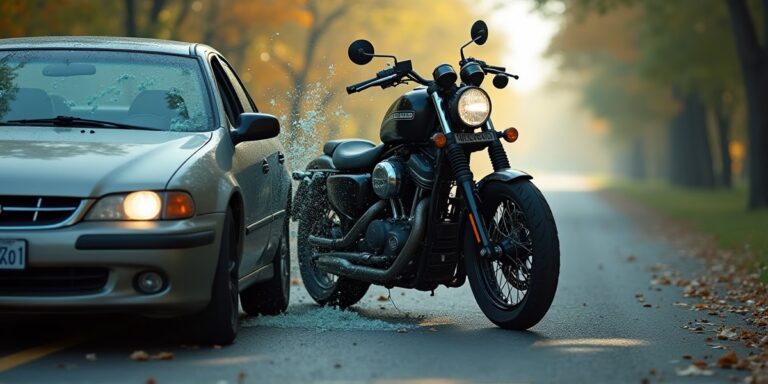
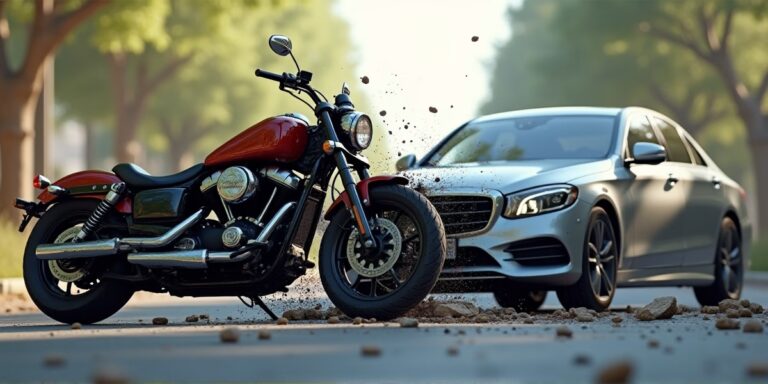
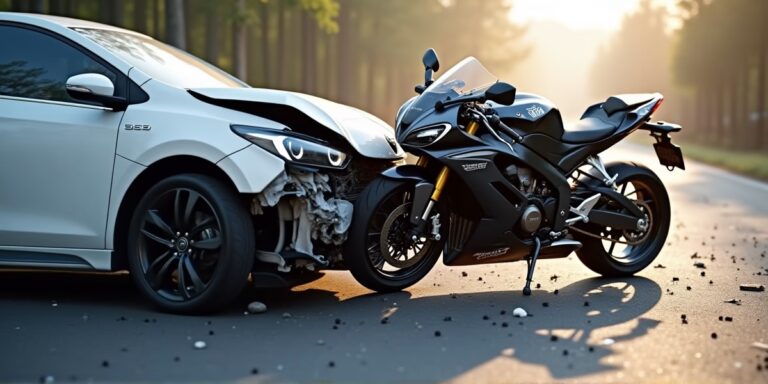
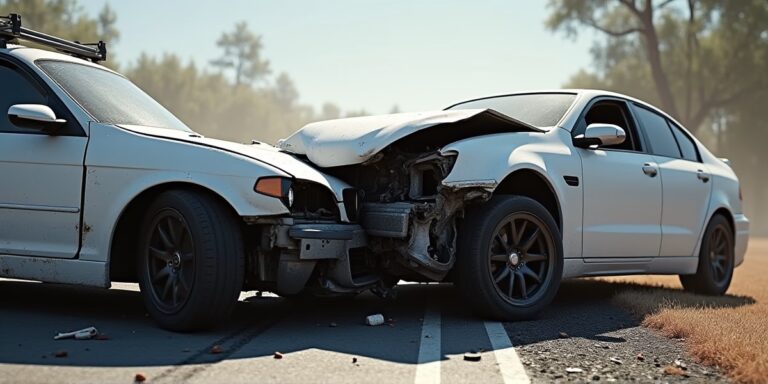
- Damage to All Vehicles: Take close-up and wide-angle shots of all vehicles involved, focusing on the points of impact and the extent of the damage.
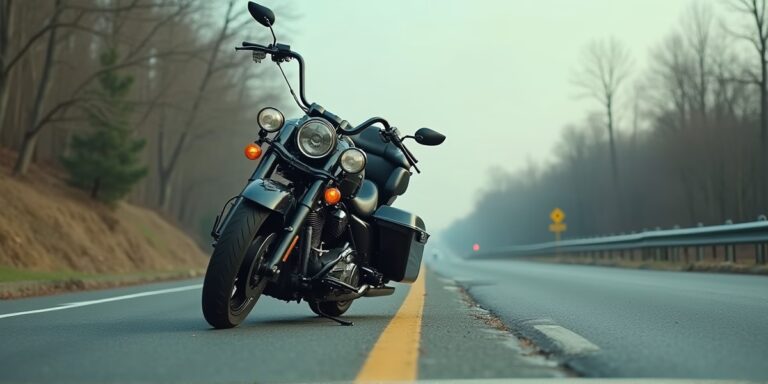
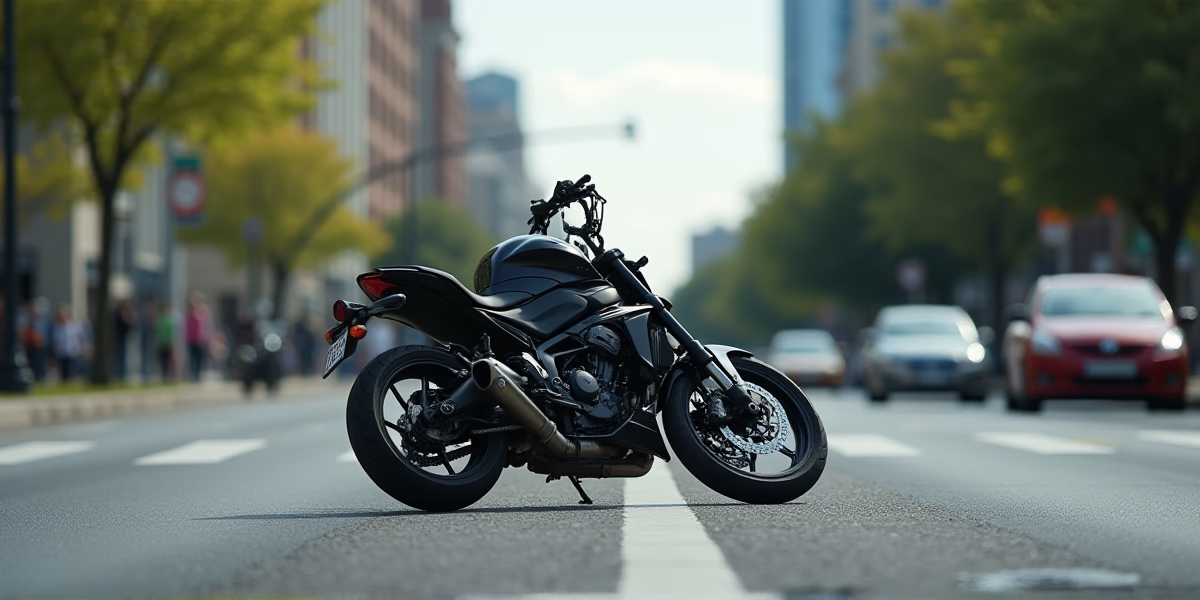
- Motorcycle Damage: Document the damage to your motorcycle thoroughly, including any broken parts, scuffs, or scratches.
- Road Conditions: Photograph any hazards like potholes, gravel, oil slicks, or construction zones that may have contributed to the accident.
- Visible Injuries: If safe to do so, photograph your visible injuries, such as cuts, bruises, or abrasions.
- Skid Marks/Debris: Capture any skid marks, vehicle debris, or other evidence that may indicate the sequence of events.
Remember, even seemingly insignificant details can be important later on. For example, a photograph of a faded stop sign or a missing traffic signal could be crucial in establishing liability.
What if I didn’t have a camera or my phone was damaged in the accident?
It’s not ideal, but it’s not the end of the world. If you didn’t have a camera or your phone was damaged, try to get the contact information of any witnesses who may have taken photos or videos of the accident. The police report will also contain photographs taken by the responding officers. However, relying solely on the police report isn’t enough. Their photos may not be as detailed or comprehensive as your own, and they may not capture all the relevant evidence.
In this situation, it’s even more important to consult with an attorney as soon as possible. We can investigate the accident further, gather additional evidence, and potentially reconstruct the scene to establish liability. We also have access to resources and experts who can help us build a strong case on your behalf.
Can the insurance company use my photos against me?
Potentially, yes. Insurance companies will thoroughly review all evidence, including your photos, looking for ways to minimize their liability. They may try to argue that your photos show you were partially at fault or that your injuries aren’t as severe as you claim. That’s why it’s important to be careful about what you say and do after the accident. Avoid making any statements to the insurance company without first consulting with an attorney.
However, the benefits of taking photos far outweigh the risks. Detailed photographic documentation provides a powerful counterargument to their attempts to devalue your claim. It’s also important to remember that you have the right to control the narrative and present your own version of events. An attorney can help you prepare your photos and other evidence in a way that strengthens your case and protects your rights.
What if I was injured too badly to take photos myself?
Your health and safety are the top priority. If you are seriously injured, do not attempt to take photos yourself. Focus on getting medical attention and let the authorities and professionals handle the evidence collection. The police will typically document the scene, and your attorney can investigate further and gather additional evidence on your behalf.
It’s also important to have a trusted friend or family member assist you with documenting the accident. They can take photos, gather witness information, and help you navigate the claims process. Remember, you are not alone in this. An attorney can provide guidance and support every step of the way.
What about dashcam footage or other digital evidence?
Dashcam footage, ECM/EDR (Event Data Recorder) data, and ELD (Electronic Logging Device) data can be incredibly valuable evidence in motorcycle accident cases. If you have a dashcam, preserve the footage immediately. If the other driver had a dashcam, request a copy of the footage as soon as possible. Similarly, ECM/EDR data can provide valuable information about the vehicle’s speed, braking, and other critical factors leading up to the accident.
However, obtaining this evidence can be challenging. Insurance companies may be reluctant to share it, and it may be subject to deletion or alteration. An attorney can help you navigate the legal process and ensure that you obtain all the evidence you need to build a strong case. In San Diego, we frequently work with accident reconstruction experts to analyze this data and provide compelling testimony in court.
How long do I have to file a claim after a motorcycle accident?
California law provides a **two-year** window from the date of the motorcycle accident to file a lawsuit for personal injury. Because evidence at a crash scene—such as skid marks or GoPro footage—can disappear quickly, immediate filing is critical to preserve the integrity of the claim.
What if the accident involved a government vehicle or a hazardous road condition?
If a motorcycle accident involves a government-owned vehicle or a dangerous road condition like loose gravel, potholes, or poorly marked construction zones, a formal administrative claim **MUST** be presented within **6 months** (180 days). Failure to meet this strict deadline under the Government Tort Claims Act can result in the permanent loss of your right to recover.
Is lane splitting legal in California, and how does it affect my claim?
California law formally recognizes lane splitting as legal, defined as driving a motorcycle between rows of stopped or moving vehicles in the same lane. In accident litigation, proving that the maneuver was performed ‘in a safe and prudent manner’ is essential to rebutting claims of rider negligence.
Was wearing a helmet required, and does not wearing one impact my case?
California is a universal helmet law state, requiring all riders and passengers to wear a safety helmet that meets DOT standards. While a violation may be used by defense counsel to argue for a reduction in damages via comparative fault—specifically regarding head or neck injuries—it does not bar a rider from seeking recovery for other injuries caused by a negligent driver.
How does California’s comparative fault system work in motorcycle accidents?
California’s ‘pure’ comparative fault system applies to motorcycle claims. Even if a driver argues you shared responsibility due to speed or positioning, you can still recover damages; however, your total compensation will be reduced by your percentage of fault.