What Happens If The Insurance Company Says Lane Splitting Caused My Motorcycle Accident?

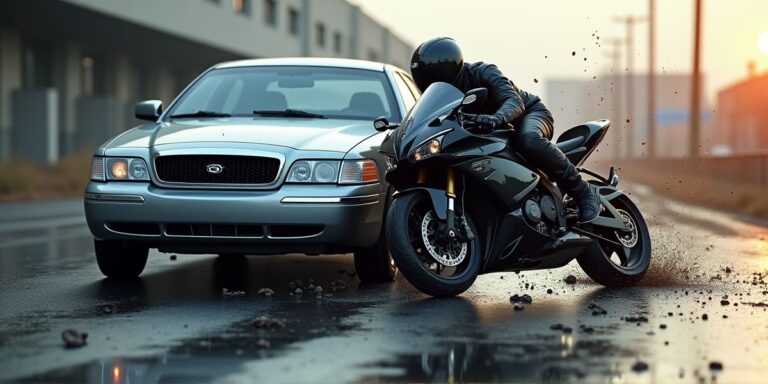
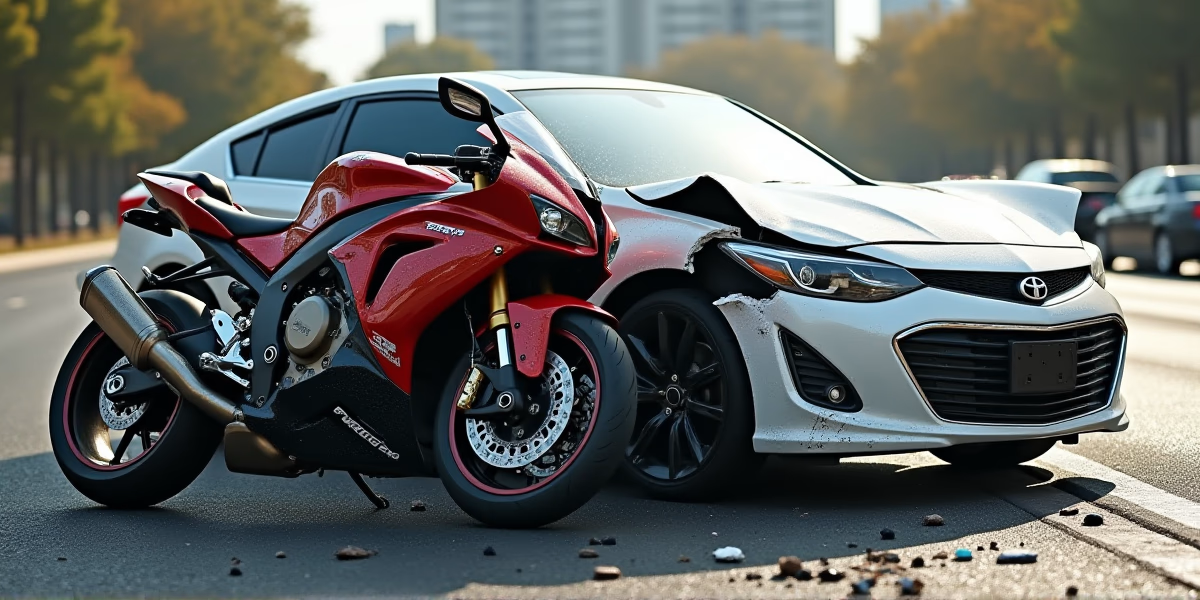
It’s a frustratingly common scenario. Insurance companies frequently attempt to shift blame onto motorcyclists, and lane splitting is an easy target. They’ll argue that it was inherently dangerous, that Bryce wasn’t traveling at a safe speed, or that he wasn’t visible enough. However, California law *specifically* recognizes lane splitting as legal, and a successful defense hinges on demonstrating that the maneuver was executed safely and prudently. The key is understanding how the law is interpreted and building a strong case to counter their assertions.
The initial investigation is critical. Police reports often contain subjective opinions, and insurance adjusters will seize upon any ambiguity to support their denial. We immediately gather evidence—witness statements, photos of the scene, and, crucially, any available video footage—to establish a clear timeline of events and prove the driver’s negligence. This includes examining the driver’s speed, attention, and any potential distractions. Remember, even if you were lane splitting, the other driver still had a duty to check their blind spots and maintain control of their vehicle.
As a personal injury attorney with over 13 years of experience practicing in San Diego, I’ve seen firsthand how insurance companies evaluate claims. I was trained by a former insurance defense attorney, giving me intimate knowledge of their tactics—how they devalue legitimate injuries and deny claims whenever possible. This insight allows me to anticipate their arguments and build a robust defense from the outset, protecting your rights and maximizing your potential recovery.
What evidence is needed to prove I was lane splitting safely?

Establishing a safe lane split requires demonstrating reasonable care under the circumstances. This isn’t a simple checklist, but several factors are crucial. First, your speed must have been appropriate for the traffic conditions—generally no more than 10 mph faster than surrounding traffic. Second, you must have maintained a sufficient distance from other vehicles, allowing for evasive maneuvers. Third, you must have been clearly visible to other drivers.
Evidence to support this includes witness testimony, dashcam footage (yours or others’), and expert reconstruction analysis. If you have a motorcycle with an ECM/EDR (Event Data Recorder), that data can be invaluable in proving your speed and braking patterns. We also look for evidence of the driver’s negligence—were they distracted, speeding, or otherwise violating traffic laws? The more evidence we gather, the stronger your case becomes.
Can the insurance company use my helmet use against me?
Yes, potentially. California is a universal helmet law state, meaning all riders and passengers are required to wear a DOT-approved helmet. Defense counsel may attempt to argue that not wearing a helmet exacerbated your injuries, reducing the value of your claim. However, this is a comparative fault argument, not a complete bar to recovery. While a jury might find you partially at fault for head injuries, they cannot deny your claim entirely simply because you weren’t wearing a helmet.
What if the police report blames me for the accident?
A police report is not the final word. It’s often based on preliminary information and subjective observations. Insurance companies will heavily rely on it, but it’s not admissible as evidence in court. We conduct our own independent investigation, gather additional evidence, and interview witnesses to build a more accurate picture of the events. A favorable police report is helpful, but it’s not essential to winning your case.
What is the statute of limitations for a motorcycle accident claim in California?
California law provides a **two-year** window from the date of the motorcycle accident to file a lawsuit for personal injury. Because evidence at a crash scene—such as skid marks or GoPro footage—can disappear quickly, immediate filing is critical to preserve the integrity of the claim. Don’t delay seeking legal counsel, as waiting too long can jeopardize your ability to recover compensation. CCP § 335.1
What should I do if the insurance company asks me to give a recorded statement?
Politely decline. Insurance companies record statements to gather information that can be used against you later. They’re skilled at asking leading questions and twisting your words. Let an attorney handle all communication with the insurance company. We’ll ensure your rights are protected and that you don’t inadvertently say something that could harm your claim. Never** sign any documents or provide medical authorizations without consulting with an attorney first.
What if the accident involved a government vehicle or a hazardous road condition?
If a motorcycle accident involves a government-owned vehicle or a dangerous road condition like loose gravel, potholes, or poorly marked construction zones, a formal administrative claim **MUST** be presented within **6 months** (180 days). Failure to meet this strict deadline under the Government Tort Claims Act can result in the permanent loss of your right to recover. This claim process is complex and requires specific documentation and procedures. Gov. Code § 911.2
What if the at-fault driver’s insurance policy limits are low?
If the at-fault driver’s insurance policy limits are insufficient to cover your damages, you may be able to pursue a claim against your own Uninsured Motorist (UM) coverage. California law requires insurers to offer UM coverage, and it can provide crucial financial protection in hit-and-run accidents or cases where the driver has minimal insurance. We’ll thoroughly review your policy and explore all available avenues for recovery.
How does comparative fault affect my motorcycle accident claim?
California’s ‘pure’ comparative fault system applies to motorcycle claims. Even if a driver argues you shared responsibility due to speed or positioning, you can still recover damages; however, your total compensation will be reduced by your percentage of fault. For example, if you’re found 20% at fault, you can still recover 80% of your damages. Civ. Code § 1714
What if the other driver was operating a borrowed vehicle?
A vehicle owner is liable if they permit an unfit or incompetent driver to operate their car, leading to a collision with a motorcyclist. This is a vital tool for recovery when the at-fault driver was operating a vehicle borrowed from a friend or family member. We will investigate the owner’s knowledge of the driver’s capabilities and any prior incidents of negligence. CACI No. 724