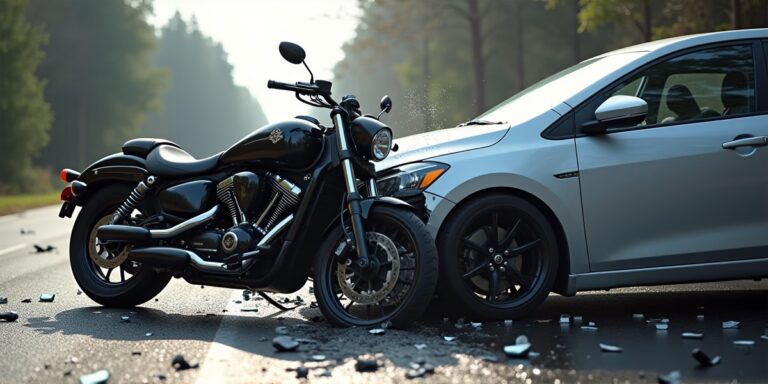
What If A Delivery Driver Caused My Motorcycle Accident?

Motorcycle accidents involving delivery drivers present unique challenges. These drivers are often under immense pressure to make quick deliveries, leading to risky behaviors like speeding, running red lights, and distracted driving. While the delivery company may offer some initial assistance, it’s crucial to understand that their interests aren’t necessarily aligned with yours. They’ll likely have a team of lawyers working to minimize their liability, and you need someone equally skilled on your side.
The good news is that you may have multiple avenues for recovery. You can pursue a claim against the driver’s insurance policy, but if their coverage is insufficient, you may also be able to hold the delivery company liable. This is where establishing a strong legal case becomes paramount. We’ll meticulously investigate the accident, gather evidence, and build a compelling argument to maximize your compensation.
I’ve been practicing personal injury law in San Diego for over 13 years, and I’ve seen firsthand how insurance companies attempt to devalue and deny legitimate claims. Trained by a former insurance defense attorney, I have intimate knowledge of their tactics and strategies. I understand how they evaluate accidents, scrutinize medical records, and attempt to shift blame. This insight allows me to anticipate their moves and protect your rights effectively.
What types of insurance coverage might apply in my case?

When a delivery driver causes a motorcycle accident, several insurance policies could potentially cover your damages. The driver’s personal auto insurance is the first place to look, but often, their coverage limits are insufficient to cover the full extent of your injuries. The delivery company’s commercial auto insurance policy is also a crucial source of recovery. These policies typically have higher limits than personal policies, reflecting the increased risk associated with their operations. Additionally, if the driver was using a rideshare app like DoorDash or Uber Eats, the app’s insurance policy may provide coverage, though the specifics can be complex and depend on the driver’s status at the time of the accident.
Determining which policy applies and navigating the claims process can be challenging. It’s essential to have an attorney who understands the intricacies of these policies and can advocate for your best interests. We’ll thoroughly investigate the driver’s employment status, the delivery company’s insurance coverage, and any applicable rideshare policies to ensure you pursue all available avenues for recovery.
What evidence is important to collect after an accident with a delivery driver?
Gathering evidence is critical to building a strong case against a delivery driver and their employer. Start by documenting everything you can at the scene, if you are physically able. This includes taking photos of the damage to your motorcycle, the driver’s vehicle, and the accident location. Obtain the driver’s information, including their name, contact details, insurance information, and employer. If there were any witnesses, collect their contact information as well. Any dashcam footage, traffic camera recordings, or police reports are also invaluable pieces of evidence.
Beyond the immediate scene, preserve all medical records related to your injuries, including doctor’s reports, therapy notes, and bills. Keep a detailed record of your lost wages and any other expenses incurred as a result of the accident. We can also help you obtain black box data from the delivery driver’s vehicle, which can provide crucial insights into their speed, braking patterns, and other factors leading up to the collision.
Can I sue the delivery company directly?
In many cases, you can sue the delivery company directly, even if the driver was technically an independent contractor. The legal principle of “respondeat superior” holds employers liable for the negligent actions of their employees or agents acting within the scope of their employment. This means that if the delivery driver was making a delivery at the time of the accident, the delivery company could be held responsible for your damages.
However, establishing the delivery company’s liability can be complex. We’ll need to demonstrate that the driver was acting as an employee or agent of the company and that their negligence caused your injuries. This may involve examining the driver’s employment agreement, their training records, and the company’s policies and procedures. We’ll also investigate whether the company was negligent in its hiring, training, or supervision of the driver.
What if the delivery driver was working for a rideshare app at the time of the accident?
Accidents involving delivery drivers using rideshare apps like DoorDash or Uber Eats present unique legal considerations. These companies typically have their own insurance policies that may provide coverage in the event of an accident. However, the extent of coverage can vary depending on the driver’s status at the time of the accident. If the driver was actively making a delivery, the app’s insurance policy may apply. However, if the driver was off-duty or not actively engaged in a delivery, their personal insurance policy may be the primary source of coverage.
Navigating these complex insurance policies requires a thorough understanding of the app’s terms and conditions and the applicable state laws. We’ll carefully investigate the driver’s app activity and work with the insurance company to ensure you receive the full compensation you deserve. It’s crucial to act quickly, as these companies often have strict deadlines for filing claims.
What is negligent entrustment, and how does it apply to motorcycle accidents involving delivery drivers?
Negligent entrustment is a legal theory that holds a vehicle owner liable if they allow an unfit or incompetent driver to operate their vehicle, leading to an accident. In the context of motorcycle accidents involving delivery drivers, this could apply if the delivery company knowingly allowed a driver with a poor driving record or inadequate training to operate a vehicle. To prove negligent entrustment, we’ll need to demonstrate that the company knew or should have known about the driver’s incompetence and that their negligence caused your injuries. This may involve examining the driver’s background check, their driving history, and the company’s hiring and training procedures. CACI No. 724 provides further guidance on this legal principle.
We’ll thoroughly investigate the delivery company’s practices to determine if they were negligent in entrusting their vehicle to an unfit driver. If we can establish negligent entrustment, it can significantly strengthen your case and increase your chances of recovering maximum compensation.
How long do I have to file a claim after a motorcycle accident with a delivery driver?
California law provides a **two-year** window from the date of the motorcycle accident to file a lawsuit for personal injury. Because evidence at a crash scene—such as skid marks or GoPro footage—can disappear quickly, immediate filing is critical to preserve the integrity of the claim. It’s important to remember that this deadline applies regardless of whether you’re pursuing a claim against the driver’s insurance policy, the delivery company, or the rideshare app. Delaying the filing of your claim can jeopardize your ability to recover compensation.
We recommend contacting an attorney as soon as possible after a motorcycle accident to discuss your legal options and ensure you meet all applicable deadlines. We’ll handle all the necessary paperwork and filings to protect your rights and maximize your chances of a successful outcome.
What should I do if the insurance company asks me to give a recorded statement?
Insurance companies often request recorded statements from accident victims. While you may feel obligated to cooperate, it’s crucial to understand that these statements can be used against you. They’ll likely try to elicit information that minimizes their liability or challenges your credibility. It’s best to politely decline the request and consult with an attorney before providing any statement. We can advise you on whether to engage with the insurance company and, if so, how to respond to their questions in a way that protects your rights.
We can also handle all communications with the insurance company on your behalf, shielding you from their tactics and ensuring they don’t take advantage of your vulnerability. Remember, their primary goal is to minimize their payout, and they’re not on your side.
What if I have medical liens that need to be resolved after my settlement?
Medical liens arise when healthcare providers treat you for injuries sustained in an accident and seek reimbursement from your settlement proceeds. These liens can significantly reduce the amount of compensation you receive, so it’s essential to address them effectively. California law limits the amount a health insurance company or medical provider can claim from your settlement via a lien. These ‘anti-subrogation’ protections ensure that the injured rider retains a fair portion of their recovery after medical bills are addressed. Civ. Code § 3040 provides further guidance on this legal principle.
We can negotiate with healthcare providers to reduce the amount of your liens and ensure they comply with California law. We’ll also explore all available options for resolving your liens, including Medicare and Medi-Cal subrogation claims.
What if the driver claims I was partially at fault for the accident?
Insurance companies often attempt to reduce their liability by arguing that you shared responsibility for the accident. This is known as comparative fault. In California, even if you were partially at fault, you can still recover damages, but your total compensation will be reduced by your percentage of fault. Civ. Code § 1714 outlines California’s ‘pure’ comparative fault system.
We’ll thoroughly investigate the accident and gather evidence to refute any claims of your negligence. This may involve examining witness statements, police reports, and accident reconstruction data. We’ll also present evidence of the driver’s negligence, such as their speeding, distracted driving, or failure to yield the right-of-way.
What if the government entity was responsible for a road hazard that contributed to the accident?
If a motorcycle accident involves a government-owned vehicle or a dangerous road condition like loose gravel, potholes, or poorly marked construction zones, a formal administrative claim **MUST** be presented within **6 months** (180 days). Failure to meet this strict deadline under the Government Tort Claims Act can result in the permanent loss of your right to recover. Gov. Code § 911.2 details these requirements.
We can assist you in preparing and filing a formal claim with the appropriate government agency. We’ll also investigate the accident to determine if the government entity was negligent in maintaining the roadway or providing adequate warnings about the hazard.